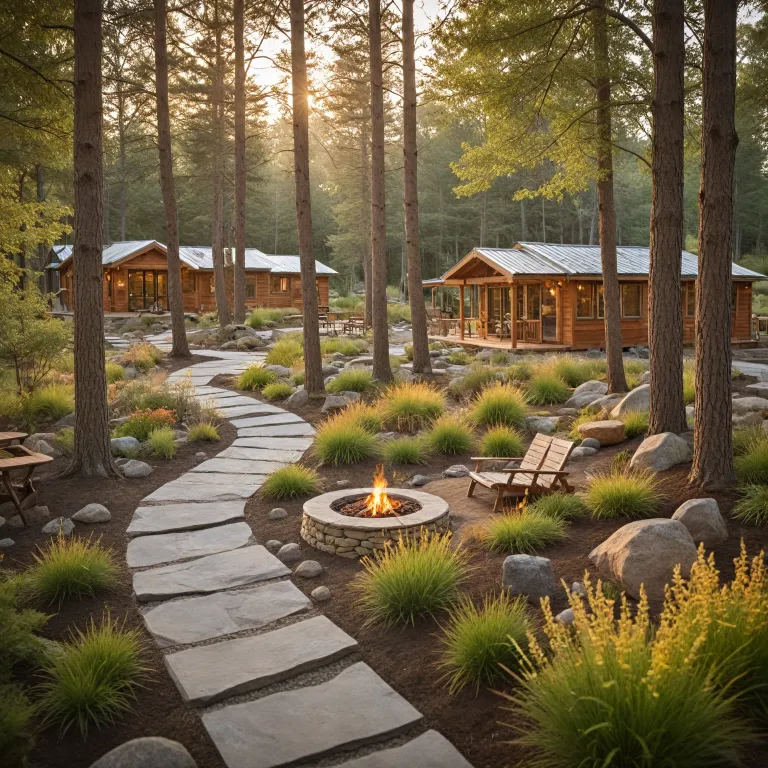
Eco-friendly elegance in luxury campgrounds and premium stays
Eco-friendly lodging solutions are reshaping how premium campgrounds welcome the modern guest. High end sites now blend refined comfort with eco friendly design, using smart systems to manage energy water consumption and reduce waste without sacrificing style. This shift reflects a hospitality industry where sustainability, luxury, and attentive service coexist in a single, seamless experience.
For travelers comparing hotels, vacation rentals, and sustainable accommodations in nature, the new benchmark is quiet yet measurable environmental impact. Operators invest in renewable energy, water conservation technology, and hotel sustainability certifications to reassure eco conscious guests who expect transparency and credible data. These eco friendly lodging solutions are no longer niche ; they are becoming the standard for friendly accommodations that respect fragile landscapes and support local communities.
Luxury campground platforms now highlight sustainable properties alongside traditional hotels to guide sustainable travel choices. Guests can filter for friendly hotels and sustainable accommodations that prioritize energy efficiency, towel reuse programs, and reduced single plastics in every guest area. By presenting eco, sustainable, and green criteria clearly, booking websites help each guest align personal values with the right hotel, glamping tent, or premium cabin.
Behind the scenes, hotel operators and campground hosts adopt smart systems that track energy water performance in real time. These systems optimize heating, cooling, and lighting, cutting energy use while maintaining the serene atmosphere luxury travelers expect. As more guests favor sustainable tourism, eco-friendly lodging solutions become a strategic advantage rather than a marketing accessory.
How premium booking platforms curate truly sustainable properties
Luxury and premium booking websites for campgrounds now act as curators of eco-friendly lodging solutions rather than simple listing directories. Their role is to verify hotel sustainability claims, highlight sustainable properties, and guide guests toward friendly accommodations that deliver genuine environmental benefits. This curation is especially important for travelers used to hotels, who may be new to high end camping yet still expect clear sustainability standards.
To build trust, these platforms prioritize properties that integrate renewable energy and robust conservation measures. They look for eco friendly systems such as solar powered sanitary blocks, energy efficient appliances, and advanced water conservation infrastructure that limits waste without compromising comfort. By requiring evidence of sustainability certifications and transparent reporting, they help reduce greenwashing and protect eco conscious guests from misleading environmental impact claims.
Premium campground listings now detail how each hotel style lodge, cabin, or tent manages plastic reduction, single plastics policies, and water bottles alternatives. Guests can compare towel reuse initiatives, waste sorting stations, and smart energy management systems before confirming sustainable travel plans. When a property also offers wellness amenities, curated nature experiences, or spa facilities, it may be featured as a premium eco campground escape for discerning travelers.
Because many guests still search using the familiar term hotel, platforms carefully explain how eco friendly campgrounds can rival upscale hotels in comfort. They emphasize friendly hotels style service, attentive staff, and refined design, while underlining the green advantages of staying closer to nature. This narrative helps reposition sustainable accommodations as aspirational choices for luxury travel, not compromises.
Designing eco friendly comfort in luxury tents, cabins, and lodges
Inside a luxury tent or forest cabin, eco-friendly lodging solutions must feel effortless to the guest. Designers focus on natural light, passive cooling, and high performance insulation to reduce energy needs before any systems are installed. This approach supports long term sustainability by lowering demand for heating and cooling in every season.
Smart technology then refines the experience, with discreet systems controlling lighting, ventilation, and energy water use. Motion sensors dim lights automatically, while smart thermostats learn guest preferences and improve energy efficiency without constant manual adjustment. These eco friendly systems mirror the best innovations in hotels, yet are tailored to the unique rhythms of outdoor stays and sustainable tourism.
Water conservation remains central, especially in remote campgrounds where every litre matters. Low flow showers, dual flush toilets, and filtered refill stations for reusable water bottles help reduce waste and plastic reliance across both individual guest units and shared facilities. Clear signage explains how each guest can support local ecosystems through simple daily choices, from shorter showers to mindful towel reuse.
Premium booking platforms highlight these design details alongside traditional amenities such as spa access or curated excursions. When guests browse a premium camping resort near you, they now see sustainability features listed as prominently as pool, restaurant, or Wi Fi. This parity signals that eco, sustainable, and green attributes are integral to luxury, not optional extras.
Reducing plastic, water, and energy waste without losing luxury
One of the deepest challenges for eco-friendly lodging solutions in luxury campgrounds is balancing indulgence with restraint. Guests expect generous amenities, yet the hospitality industry must reduce waste, plastic use, and unnecessary energy consumption. Thoughtful design and communication allow operators to protect the environment while preserving a sense of abundance.
Many sustainable properties now phase out single plastics such as miniature toiletries and disposable water bottles. Instead, they provide elegant refillable dispensers, filtered fountains, and reusable glassware that feel more premium than traditional hotel amenities. These changes support local waste management efforts and significantly lower environmental impact over the long term.
Water conservation strategies extend beyond fixtures to guest engagement. Clear yet discreet messaging explains towel reuse options, inviting each guest to participate in sustainable tourism without pressure or guilt. When guests understand that eco friendly choices help maintain pristine lakes, forests, and rivers around the campground, they are more willing to adapt familiar hotel habits.
Energy efficiency measures, from LED lighting to intelligent heating systems, remain largely invisible but crucial. Behind the scenes, energy management systems monitor consumption patterns and adjust operations to reduce peaks, especially in remote sites powered partly by renewable energy. These eco-friendly lodging solutions demonstrate how hotels and campgrounds can align comfort, sustainability, and cost control in a single strategy.
Supporting local communities through sustainable travel choices
Eco-friendly lodging solutions in luxury campgrounds extend beyond technical systems to social responsibility. Many sustainable properties now weave support local initiatives into their core offering, connecting guests with artisans, guides, and producers from nearby communities. This approach strengthens the local economy while enriching each guest experience with authentic stories and flavours.
When travelers choose friendly accommodations that prioritize local sourcing, their spending circulates within the region rather than leaving through distant hotel chains. Menus highlight seasonal ingredients, while on site shops replace generic souvenirs with crafts made by neighbouring villages. These practices align sustainable tourism with cultural conservation, ensuring that environmental impact reductions also respect human heritage.
Booking platforms play a key role by flagging properties that actively support local employment and training. They may spotlight eco conscious initiatives such as guided conservation walks, educational workshops, or partnerships with environmental organizations. For guests used to hotels in urban centres, these experiences offer a compelling reason to shift future travel toward sustainable accommodations in nature.
As one expert summary notes, “Travelers are increasingly aware of environmental issues and prefer accommodations that align with their values, offering sustainable practices and reducing their carbon footprint.” This sentiment now shapes how luxury campgrounds design activities, from low impact excursions to quiet wellness retreats in forest settings. It also reinforces the business case for eco friendly lodging solutions that integrate community, culture, and conservation.
Using data, AI, and certifications to build guest trust
For eco-friendly lodging solutions to resonate with discerning travelers, claims must be backed by data. Luxury campground operators increasingly adopt energy management systems and digital dashboards to track energy water use, waste volumes, and conservation outcomes. These metrics support credible sustainability reporting and help refine operations over the long term.
Artificial intelligence now assists with forecasting occupancy, optimizing heating and cooling schedules, and identifying inefficiencies that human teams might miss. In premium campgrounds that compete with hotels, AI driven insights can significantly improve energy efficiency while maintaining impeccable comfort. Digital concierge tools also guide guests toward eco friendly choices, from low impact activities to sustainable travel tips.
Recognized sustainability certifications remain a cornerstone of trust for eco conscious guests. When a hotel style lodge or campground earns such labels, booking platforms highlight them prominently alongside ratings and reviews. This visibility reassures guests that eco, sustainable, and green claims have been independently verified, not simply added as marketing language.
In the middle of the guest journey, content such as guides to luxury campgrounds with spa and wellness in nature helps travelers compare options. These resources explain how friendly hotels and sustainable accommodations integrate renewable energy, conservation, and wellness into a single stay. Over time, transparent data and thoughtful storytelling will make eco-friendly lodging solutions the natural choice for premium travel.
Key statistics on eco friendly lodging and sustainable tourism
- Travelers preferring eco friendly accommodations now represent 80 % of surveyed guests in recent hospitality reports.
- Hotels implementing sustainable practices that reduce energy costs account for approximately 20 % of the market, indicating significant room for growth.
- Hotel guests willing to pay more for a sustainable experience reach 65 %, confirming strong demand for eco-friendly lodging solutions.
- The global eco friendly hotel market is projected to reach 4.4 billion USD, underlining the financial relevance of hotel sustainability strategies.
Essential questions about eco friendly lodging solutions
What are eco-friendly lodging solutions?
Eco-friendly lodging solutions refer to accommodations that implement sustainable practices to minimize their environmental impact, such as using renewable energy, conserving water, and reducing waste. In the context of luxury campgrounds and hotels, these solutions combine high comfort with measurable sustainability outcomes. Guests benefit from refined design, advanced systems, and responsible operations that protect surrounding ecosystems.
Why are travelers choosing eco-friendly accommodations?
Travelers are increasingly aware of environmental issues and prefer accommodations that align with their values, offering sustainable practices and reducing their carbon footprint. Many guests now compare hotels, vacation rentals, and sustainable accommodations based on conservation performance as much as price or location. This shift encourages the hospitality industry to invest in eco friendly innovations that enhance both guest satisfaction and environmental impact.
How do hotels benefit from adopting sustainable practices?
Hotels can achieve cost savings through energy efficiency, attract eco conscious travelers, enhance their brand reputation, and contribute positively to the environment. For luxury campgrounds listed on premium booking platforms, strong hotel sustainability performance also leads to better visibility and higher quality reviews. Over time, these benefits reinforce the business case for eco-friendly lodging solutions across the wider hospitality industry.