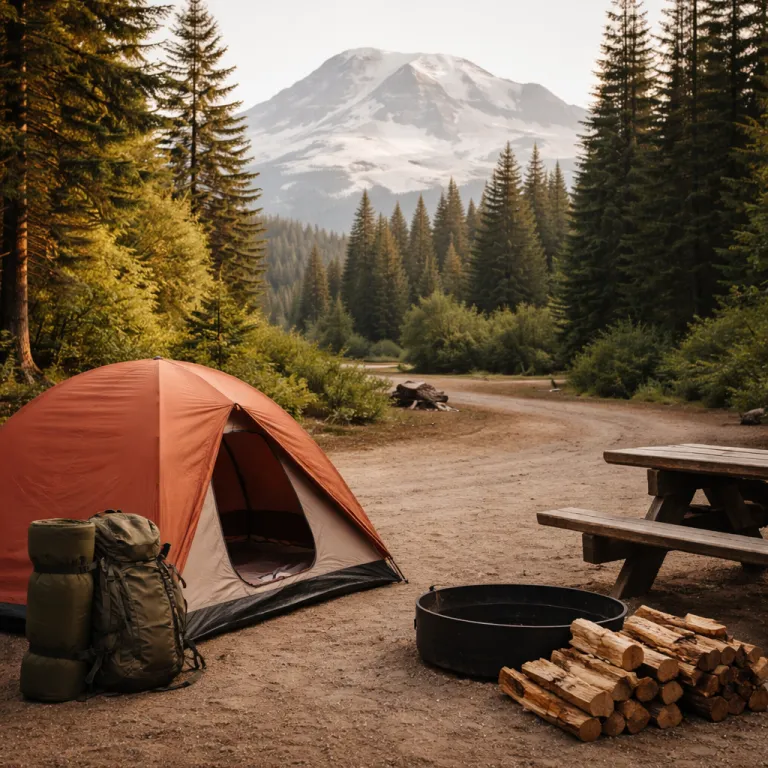
Rainier national park drops timed entry: what it means for premium campers
Mount Rainier National Park has quietly ended its timed entry experiment for the Paradise and Sunrise corridors, making 2025 the first full peak season since vehicle reservations began when the main entrances operate without advance permits. The pilot system, tested in 2024, was not renewed for 2025 according to National Park Service planning updates, so for couples planning a refined Mount Rainier camping 2026 trip, spontaneous drives through the Nisqually River entrance are possible again, but it also means standard crowd pressure will shift from the online queue to the physical road and every campground located near a gate. Mount Rainier typically welcomes around 1.5 million annual visitors, and with Rocky Mountain National Park keeping its timed entry system while Yosemite and Glacier have paused theirs, a patchwork of access rules now shapes how you plan multi park journeys across the wider Pacific Northwest and the Rockies.
At Mount Rainier National Park, the National Park Service still manages capacity through campground reservations, trailhead parking limits and seasonal road closures, even though the gates now feel more open. Public NPS data show roughly 1.5 million annual visitors and only a few hundred developed campground sites across the park, so without timed entry you should expect longer lines at each visitor center and more pressure on every river campground and forested loop near Paradise and Sunrise. Cougar Rock Campground offers about 170 sites and White River Campground has roughly 100, and with those numbers in mind the National Park Service reminders to "Reserve early due to high demand," "Check weather forecasts before arrival," and "Follow Leave No Trace principles" now read less like gentle guidance and more like the operating manual for a successful Mount Rainier camping 2026 itinerary.
Cougar Rock Campground, the classic forested base on the southwest side, opens in late May, with White River Campground following in late June, and most campground facilities closing by early October, as confirmed on Recreation.gov seasonal listings. With Ohanapecosh Campground closed for rehabilitation, pressure will concentrate on Cougar Rock Campground and White River Campground loops, especially the river adjacent sites that couples favor for tent camping with a sense of privacy. For travelers used to hotel style predictability, this shift means you will trade a digital timed entry slot for more careful planning around which campground site you choose, what check in time you target and how you move between the Nisqually River corridor, the White River valley and the higher elevation viewpoints on Mount Rainier itself.
Cougar Rock, White River and the new playbook for mount rainier camping 2026
For premium minded campers, the core of any Mount Rainier camping 2026 plan is now the trio of Cougar Rock Campground, White River Campground and the temporarily absent Ohanapecosh Campground, which once anchored the southeast corner. Cougar Rock is a wooded river campground located near the Nisqually River, with standard loops that feel intimate, tent friendly sites under tall firs and quick access to the Paradise area via the main park road. White River Campground sits higher and closer to the glaciers of Mount Rainier, with rock lined pads, dramatic views and cooler nights that appeal to couples who treat their tent as a minimalist suite rather than a compromise.
Because Ohanapecosh Campground is closed, its former visitors will flow toward Cougar Rock and White River, making early reservations on Recreation.gov non negotiable for anyone who wants specific group sites or riverside pitches. Recreation.gov opens bookings six months ahead at 10:00 a.m. Eastern Time, and for popular weekends each loop at Cougar Rock Campground and White River Campground can fill within minutes, especially the sites that balance privacy, proximity to the river and easy access to the nearest visitor center. To improve your odds, log in to your Recreation.gov account at least fifteen minutes before the booking window, add preferred sites to a shortlist, confirm that your payment details are current and be ready to finalize immediately when the clock hits 10:00 a.m. Eastern Time.
Luxury in this context is not about thread count but about securing a quiet site where the only soundtrack is the river and the distant creak of ice on Mount Rainier. Couples who usually book five star properties should think in terms of five star campgrounds instead, using techniques from premium outdoor booking guides such as this detailed advice on how to book 5 star campgrounds for a premium outdoor experience, then applying them to each campground option around Mount Rainier National Park. Focus on loops with fewer group campground clusters, avoid sites near the dump station or main road, consider midweek arrivals for better selection and if you travel with pets, confirm the current National Park Service rules for pets in campgrounds and on trails, because policies differ sharply from those in a typical state park or private resort.
Beyond the gates: crowd strategies, wider park policies and where luxury campers pivot
Without timed entry, the daily rhythm at Mount Rainier National Park will hinge on timing rather than permits, so couples should treat early mornings and late afternoons as their private luxury window. Arrive at the Nisqually River entrance before 08:00 or after 16:00, and you will usually glide past the heaviest traffic, find better parking near each visitor center and enjoy quieter trails even on busy Mount Rainier camping 2026 weekends. Midday, when every standard site feels full and each loop hums with activity, is the moment to retreat to your tent with a book, explore less visited corners like Mowich Lake or drive out to a nearby state park for a slower picnic beside a different river.
The broader debate between open access and resource preservation is far from settled, and Mount Rainier National Park’s reversal sits alongside Rocky Mountain’s continued timed entry and the current pauses at Yosemite and Glacier as evidence of a system still searching for balance. For travelers, that means every multi park trip now requires a spreadsheet level review of which entrances need reservations, which campgrounds rely on Recreation.gov and which still offer first come, first served sites that reward midweek arrivals. If you enjoy stitching together premium outdoor stays, you might pair a few nights at Cougar Rock Campground or White River Campground with a refined cabin stay elsewhere in the Pacific Northwest, using curated resources such as these cabins for refined stays in the Ouachita Mountains as a benchmark for what elevated rustic hospitality can feel like.
On the ground, the experience remains anchored in simple details: a level tent pad at a quiet site, the sound of the White River or Nisqually River at dusk, and a clear Milky Way above Mount Rainier when the campground lights dim. Campground hosts, the on site équipe who answer questions and keep each loop running smoothly, become your concierges, especially when you need guidance on trail conditions, wildlife etiquette or the fastest route from your campground located near the river to the nearest visitor center. For couples used to hotel concierges and spa directors, this is the new language of luxury at Mount Rainier National Park — a well chosen rock framed pitch, thoughtful planning around shifting national policies and the confidence that your Mount Rainier camping 2026 escape will feel intentional rather than improvised.