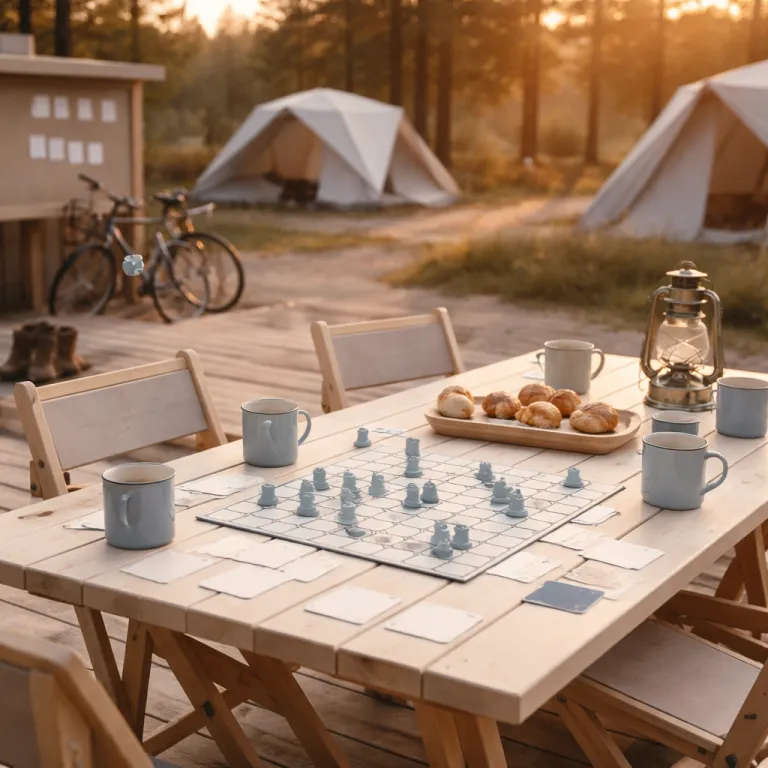
How the new campground community experience reshapes luxury travel
Luxury travelers are quietly rewriting what a premium campground community experience should feel like. Instead of gated seclusion, they now seek a campground where shared spaces, thoughtful design, and curated community events provide connection without sacrificing comfort. This shift means the most desirable campgrounds offer both refined amenities and a subtle sense of belonging that follows you from the first camp coffee to the last ember at the fire pit.
Across the USA, from wine country to coastal park settings, a growing campground community is showing that connection is becoming a new form of indulgence. Operators report that campers increasingly book a camping trip not just for scenery, but for the chance to join group activities, meet fellow campers, and build lasting friendships around the fire ring. Industry data supports this trend: according to the KOA North American Camping and Outdoor Hospitality Report 2023 (p. 8), 82% of leisure travelers say their desire for connection directly shapes their travel plans, and community building now ranks among the top development priorities for new and upgraded campgrounds.
For couples who love camping but still expect premium service, the ideal camping experience blends privacy at the pitch with a social heartbeat at the center. A well-run campground allows guests to move effortlessly between quiet time in nature and vibrant campground events that feel organic rather than forced. As one park manager at Sun Outdoors Rocky Mountains in Colorado explained during an on-site interview, “Our goal is for guests to feel like they have their own retreat, but can wander into a friendly gathering whenever they choose.” When a place gets this balance right, the result is a series of shared experiences that feel more like a beautifully hosted house party in the forest than a traditional park stay.
What community really means at a premium campground
In a luxury context, community is not about loud games on the lawn or mandatory activities. It is about creating a place where campers feel free to share stories, gear tips, and local recommendations, while friendly staff quietly orchestrate the conditions for easy interaction. A true campground community experience emerges when guests can participate in community life at their own pace, choosing between solitude and social time without pressure.
Operators who understand this nuance design community events as invitations, not obligations. They might schedule gentle group hikes through nearby nature trails, host low-key potluck dinners under string lights, or curate small tasting sessions with local producers where the events offer as much conversation as flavor. At AutoCamp Russian River in California, for example, evening wine tastings and campfire s’mores circles are deliberately capped at small numbers so that couples can mingle without feeling overwhelmed. These campground events work because they respect everyday life rhythms; couples can join group activities after a day of exploring, then retreat to their camp for a private nightcap beneath the stars.
For many modern campers, especially those on longer stays, this style of camping experience turns a simple campground into a temporary village. Fellow campers become familiar faces at the shared kitchen or fire circle, and over time these repeated encounters often grow into lasting friendships that outlive the trip itself. One frequent guest at a New England coastal park described it this way: “By the third evening, we were greeting people by name at the communal fire pit. It felt less like a resort and more like a neighborhood that just happened to be under the pines.” When campgrounds offer this kind of understated community spirit, guests leave feeling emotionally renewed rather than merely rested.
Designing spaces where connection feels effortless
The physical layout of a campground can either nurture or suffocate community spirit. Premium properties now treat pathways, shared decks, and fire pits as seriously as they treat spa-style wash blocks, because these are the stages where the campground community experience actually plays out. Instead of isolating each camp in a cul-de-sac, thoughtful campgrounds offer walkable loops that naturally bring campers past common areas and into gentle contact with one another.
Central lawns, lakeside decks, and covered pavilions become the social heart of the park when they are programmed with light-touch activities. Morning yoga, small-scale community events, and hosted coffee tastings provide reasons to linger, while flexible seating encourages both intimate chats and larger group conversations. Many campgrounds now integrate technology for event coordination, using online forums and blog-style updates on their own sites to provide clear schedules so guests can plan which events to attend. At some luxury RV resorts, internal apps send push notifications about last-minute stargazing walks or sunset paddle meetups, and participation rates of 40–60% for evening gatherings are increasingly common according to operator surveys.
Inside this framework, friendly staff act less like cruise directors and more like discreet hosts at a private club. They introduce fellow campers when it feels natural, suggest which group hikes suit different fitness levels, and quietly ensure that family-friendly zones remain calm while adult-focused spaces stay relaxed. The best design keeps nature at the forefront, so that every shared terrace, kitchen, or fire ring still frames the forest, lake, or desert sky that drew you to camping in the first place.
Generational shifts and the rise of the together trip
The myth of the lone wolf camper still lingers in marketing, but the data tells another story. Younger travelers, especially couples in their thirties and forties, are driving a surge in demand for a richer campground community experience that centers on shared activities and emotional reset. They love camping for the sense of freedom, yet they also want a campground where they can join group events without sacrificing style or comfort.
For these guests, a camping trip is rarely about total isolation; it is about curated experiences that feel both social and restorative. They seek campgrounds where community events are woven into the day, from sunrise group hikes to twilight storytelling circles that provide a gentle bridge between everyday life and the slower rhythm of nature. Older generations often appreciate this too, especially when the programming remains family-friendly and respects quiet hours, but it is younger campers who most actively ask how to participate in community life before they book.
Luxury-focused booking platforms now highlight which campgrounds offer strong community-building features as clearly as they list Wi-Fi or hot showers. They spotlight parks with communal kitchens, shared lounges, and calendars of campground events that range from potluck dinners to stargazing walks, because these experiences are becoming key decision drivers. As one industry FAQ puts it with refreshing clarity, “What is a campground community experience? A shared environment where campers engage in group activities and build connections.” Findings from the Campspot Camping & Outdoor Hospitality Report 2023 (pp. 10–12) and the RVtravel.com Community Facilities Survey 2022 both note that social amenities and group programming now rank alongside location and price in many guests’ booking decisions, with roughly two-thirds of surveyed campers saying that community features influence where they stay.
How to choose a luxury campground for meaningful connection
For couples browsing a premium booking website, the challenge is separating marketing language from genuine community spirit. Look for a campground that clearly explains how its layout, activities, and staff approach provide space for both privacy and connection, rather than simply listing a long roster of events. For example, some well-reviewed lakeside resorts in the Pacific Northwest describe how waterfront RV and tent sites remain tranquil while a central lodge, shared kitchen, and communal fire ring form a natural hub where fellow campers cross paths.
Before you commit, study how campgrounds describe their community events and shared facilities. Do they mention small-scale group hikes, intimate tastings with local artisans, or relaxed potluck dinners where the events offer conversation as much as cuisine, or do they lean on generic entertainment that could belong to any resort? Reviews that highlight friendly staff, well-managed quiet hours, and opportunities to join group activities without pressure are strong indicators that the campground community is thoughtfully curated.
Once on site, lean into the design that the campground allows by spending time in shared spaces, even if you are naturally reserved. Use posted schedules or digital blog-style updates to choose a few activities that match your interests, then let the experiences unfold at their own pace. When a place gets it right, you will leave not only with memories of nature and comfort, but with new friendships and a renewed sense that luxury camping can be as much about people as it is about place.
FAQ
What is a campground community experience in practical terms ?
A campground community experience means staying in a campground where design, programming, and staff support encourage organic interaction among guests. You will find shared kitchens, communal fire pits, and small-scale community events that make it easy to meet fellow campers without feeling pushed. The best campgrounds offer this social layer while still protecting quiet zones and private pitches.
How can I participate in campground community events during my stay ?
Most parks provide printed schedules, noticeboards, or digital updates that list campground events and group activities. You can participate in community life by joining group hikes, attending potluck dinners, using shared facilities, and simply spending time in common areas instead of remaining only at your camp. As one reference explains, “How can I participate in campground community events? Join scheduled activities, use shared facilities, and connect with fellow campers.”
Are campground community experiences suitable for couples seeking privacy ?
Yes, many premium campgrounds design their layouts so that pitches remain secluded while social spaces sit at the center of the park. This allows couples to enjoy a romantic camping experience at their own camp, then move into shared areas when they want conversation or activities. Choosing a property that clearly explains this balance is essential if you value both intimacy and community spirit.
Do community focused campgrounds work well for families ?
Community-oriented campgrounds are often highly family-friendly because they organize activities that suit different ages. Children can join group games or nature walks while adults enjoy relaxed social time with fellow campers in safe, supervised spaces. As one expert answer notes, “Are campground community experiences suitable for families? Yes, they offer family-friendly activities and foster a sense of belonging.”
What should I check before booking a community oriented campground ?
Before reserving, review how the campground describes its community-building approach, not just its list of amenities. Look for clear information about quiet hours, types of events offered, staff presence, and how the campground allows guests to choose between solitude and social time. Checking independent reviews for mentions of friendships formed, friendly staff, and well-run activities will help you select a place that truly values connection.
References
KOA. North American Camping and Outdoor Hospitality Report 2023, pp. 8–15. Campspot. Camping & Outdoor Hospitality Report 2023, pp. 10–14. RVtravel.com. Community Facilities Survey 2022, summary tables.