What truly defines luxury level eco friendly campgrounds today
Luxury travelers are turning toward eco friendly campgrounds where comfort meets credible sustainability. A genuinely eco focused campground treats energy, water and waste as carefully as it curates views of nature and the great outdoors. When you book through a premium platform, the goal is to help you find a green campground that feels indulgent yet environmentally friendly in measurable, verifiable ways.
At its core, an eco friendly campground is defined very clearly in industry guidance as follows: “A campground that implements sustainable practices to minimize environmental impact.” This definition matters because many parks now advertise a vague camping eco philosophy without showing concrete sustainable practices such as water conservation systems, energy efficient lighting or serious waste management infrastructure. When you compare campgrounds, look for specific ecological commitments rather than generic language about the environment or broad green values.
Networks such as KOA Kampgrounds have formalized this shift with their Kamp Green program, which highlights both a single green campground and entire portfolios of green campgrounds that meet internal sustainability benchmarks. For discerning guests planning a camping trip, this means you can filter for properties that combine high service standards with ecological accountability. On a luxury booking website, that might translate into curated lists of cabins with solar power, tent camping areas with low impact platforms and family focused zones where the camping experience includes environmental education for future generations. As one repeat guest at a solar powered KOA site put it after a 2023 summer stay, “I came for the hot showers and Wi‑Fi, but I keep coming back because I can see the stars and still feel good about my footprint.”
Infrastructure that separates real green campgrounds from marketing claims
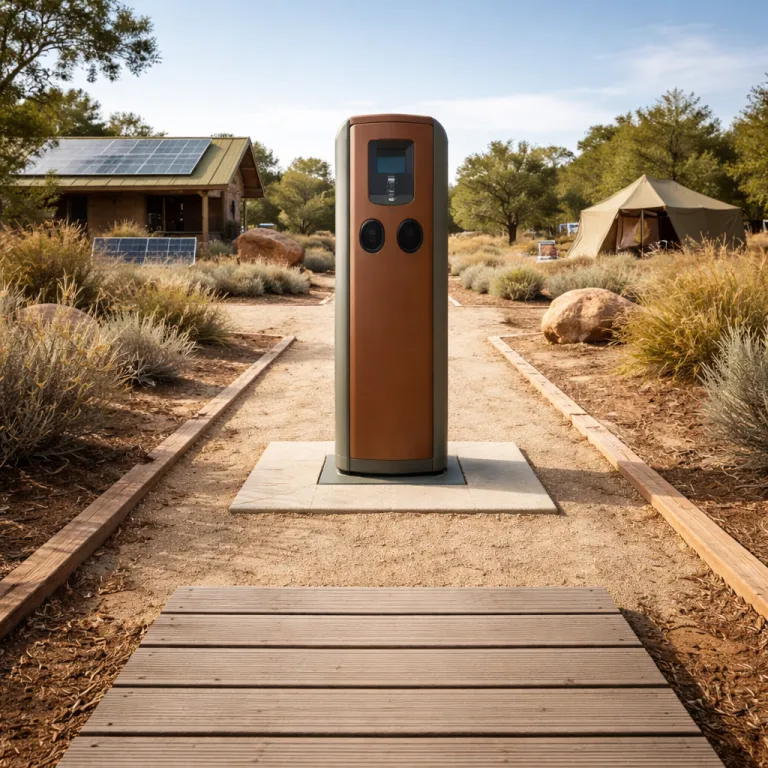
When you evaluate eco friendly campgrounds, start with the infrastructure you can actually see and use. Solar panels on cabins, energy efficient LEDs along paths and EV charging points near the park entrance all signal that the campground invests in long term ecological performance. A premium booking platform should detail these features clearly so you can plan a camping trip that aligns with your values before you even arrive at the camp.
Water systems are the next critical layer, because water conservation is where many environmentally friendly parks either excel or quietly fall short. Look for information about low flow showers, grey water recycling for landscaping and clear guidance on refilling reusable water bottles instead of buying single use plastic. High end camping destinations now describe their water strategy alongside their spa style wash blocks, treating resource management as part of the luxury camping experience rather than an afterthought. For example, a mid sized park that replaces standard showerheads with 1.5 gallon per minute models can save tens of thousands of gallons of water each season without guests noticing a drop in comfort.
Waste management is equally revealing, especially at larger campgrounds that host a mix of tent camping, RVs and design forward cabins. Serious green campgrounds will separate food waste for composting, provide clear recycling streams and minimize packaging in any on site shop or café. If you are interested in elevated canvas stays, this is where reading a detailed review of luxury tents redefining premium camping experiences can help you understand how top tier properties integrate sustainable practices into every part of the camping experiences they offer.
These same features also help you spot greenwashing. When a campground website leans heavily on words like eco, green and friendly without mentioning specific sustainable practices, you are likely seeing marketing spin rather than genuine ecological action. A serious eco friendly campground will talk openly about its waste management systems, its water conservation targets and the energy efficient technologies it has installed, often with dates and data so you can verify the claims.
How leading networks like KOA and independent eco camps raise the bar
Some of the most influential change in eco friendly campgrounds is coming from large networks that can standardize sustainable practices. KOA Kampgrounds, for example, uses its Kamp Green framework to encourage each individual campground to adopt energy efficient systems, better waste management and thoughtful water conservation tailored to local conditions. When you book a KOA Holiday property through a luxury focused platform, you can often compare how different parks interpret these ecological guidelines.
Independent operators are just as important, especially those that treat every camping experience as an opportunity to educate guests about the environment. Camp Quinebarge in the United States, acquired by Carbonfund.org in 2019, runs as an eco camp where friendly staff weave ecological awareness into daily camp life, from the organic garden to low impact waterfront activities. For solo travelers or a couple planning a refined yet grounded escape, pairing such an eco friendly campground with ideas from this guide to romantic camping escapes at premium campgrounds can create a stay that feels both intimate and responsible.
Networks and independents share one goal: to ensure that today’s camping eco initiatives genuinely protect nature for future generations rather than simply marketing a green image. When you browse friendly campgrounds on a curated booking site, pay attention to whether they reference partners such as the National Park Service or recognized carbon offset organizations. Properties that publish data about reduced waste, lower water use per guest and increased use of renewable energy usually deliver a more authentic environmentally friendly camping trip than those relying on soft, unmeasured promises. A KOA location that reports generating 40,000 kWh of solar electricity per year or installing four Level 2 EV chargers, for instance, gives you tangible evidence that sustainability is built into the way the campground operates.
Spotting greenwashing when you book eco friendly campgrounds online
Luxury travelers are increasingly skilled at reading between the lines of glossy sustainability claims. When a campground website leans heavily on words like eco, green and friendly without mentioning specific sustainable practices, you are likely seeing greenwashing rather than genuine ecological action. A serious eco friendly campground will talk openly about its waste management systems, its water conservation targets and the energy efficient technologies it has installed.
Certifications and programs provide another filter, especially when you compare multiple campgrounds in the same region. Look for references to KOA Kampgrounds Kamp Green standards, ARVC’s Plan It Green recognition or partnerships with organizations such as Carbonfund.org that support measurable reductions in environmental impact. Properties that participate in these frameworks usually publish clear data about how their park operations affect the environment, from reduced food waste to lower electricity consumption in cabins and shared facilities.
Guest facing details also reveal whether a green campground walks the talk once you arrive for your camping trip. You should see refill points for water bottles, signage about protecting nature on nearby trails and practical guidance on how to keep your camping experiences environmentally friendly without sacrificing comfort. When a booking platform links to in depth reviews of specific parks, such as the serene and sustainability minded Ghost Mountain Ranch Resort in the Sierra region, you gain another layer of insight into how each camp balances luxury with ecological responsibility.
Practical ways to lower your footprint on a premium camping trip
Even the most advanced eco friendly campgrounds rely on guests to complete the sustainability picture. Before you travel, plan your packing list around reusables, from durable water bottles and coffee cups to lightweight food containers that reduce dependence on single use packaging. Choosing energy efficient headlamps, rechargeable batteries and compact solar chargers also helps align your personal camping experience with the ecological ambitions of the park.
On site, the way you interact with water, food and waste has a direct impact on the environment around the campground. Take shorter showers, turn off taps while brushing your teeth and follow any local water conservation guidance, especially in drought sensitive regions. When you cook at camp, buy just enough fresh food, separate compostable scraps where facilities exist and avoid leaving any trace of packaging or micro litter in nature.
Your choice of accommodation style can also shape the footprint of your camping experiences, even within the same friendly campground. Opting for well insulated cabins that share infrastructure, or thoughtfully designed tent camping platforms that protect fragile ground cover, often results in lower overall impact than sprawling, energy intensive setups. By aligning your personal habits with the sustainable practices of the park, you help ensure that these green campgrounds remain vibrant, welcoming places for future generations of travelers who value both comfort and conservation.
Regions, networks and the future of environmentally friendly camping experiences
Across North America and beyond, demand for eco friendly campgrounds is reshaping how new parks are planned and how existing sites are upgraded. Regions with strong national park networks and protected landscapes are leading the way, integrating native landscaping, dark sky policies and low impact trails into both public and private campground design. Luxury oriented booking platforms now highlight these ecological features alongside traditional filters such as cabins, family amenities and proximity to major attractions.
KOA Kampgrounds illustrates the scale of this shift, with roughly 500 locations in North America using Kamp Green principles to guide investment in renewable energy, water conservation and waste management. At the same time, independent eco camps such as Camp Quinebarge show how a single campground can become a model for environmentally friendly camping experiences through education, organic food production and close collaboration with conservation partners. Together, these examples demonstrate that sustainable practices are no longer a niche add on but a core expectation for any green campground that wants to attract discerning guests.
Looking ahead, the most successful friendly campgrounds will be those that treat every camping trip as part of a wider ecological story rather than a one off escape. Expect to see more EV charging infrastructure even in remote parks, more transparent reporting on resource use and more creative ways to connect guests with nature without overloading fragile ecosystems. For travelers using high end booking sites, this means you will increasingly be able to find a campground where the great outdoors feels both luxuriously comfortable and genuinely protected, ensuring that the camp you enjoy today remains just as wild and welcoming for future generations.
Key figures shaping the rise of eco friendly campgrounds
- More than 70% of campers say they are more likely to stay at parks with eco friendly practices, a trend that is driving rapid investment in sustainable infrastructure across both independent and networked campgrounds (Campspot, camping trends report; see Campspot 2023 Camping & Outdoor Hospitality Report, published 2023).
- KOA Kampgrounds operates around 500 locations in North America, giving its Kamp Green program significant influence over how water conservation, renewable energy and waste management are implemented at scale (KOA official data; Kampgrounds of America, Inc. annual reports, 2022–2023).
- Camp Quinebarge maintains an organic garden of roughly 0.4 hectares, integrating local food production into its eco camp model and reducing the environmental impact associated with transporting ingredients for camp meals (Camp Quinebarge information and Carbonfund.org partner overview, accessed 2023).
- Industry surveys show year over year increases in guests searching specifically for solar power, recycling facilities and carbon neutral initiatives when choosing a campground, confirming that environmentally friendly features now rank alongside Wi‑Fi and hot showers in booking priorities (Campspot and KOA North American Camping Report trend data, 2022–2023).
- Travel research indicates that preference for eco friendly accommodation is growing consistently across all age groups, suggesting that green campgrounds will remain a central part of the hospitality landscape rather than a passing niche (various sustainable travel studies from major booking platforms and tourism boards, 2021–2023).
FAQ about eco friendly campgrounds and sustainable camping
What is an eco friendly campground in practical terms?
An eco friendly campground is defined as “A campground that implements sustainable practices to minimize environmental impact.” In practice, this means using renewable energy where possible, investing in water conservation systems and running robust waste management that includes recycling and often composting. Many such parks also protect local nature through native landscaping, careful trail design and limits on light or noise pollution.
How can I find eco friendly campgrounds when booking online?
When you search on a luxury or premium booking website, use filters and descriptions to identify campgrounds that mention specific sustainable practices rather than generic green language. Look for references to programs such as KOA Kampgrounds Kamp Green or ARVC’s Plan It Green, as well as partnerships with conservation organizations. Detailed property pages that explain energy efficient upgrades, water saving measures and guest guidelines usually indicate a more serious ecological commitment.
Which sustainable practices matter most for a lower impact camping trip?
The most impactful practices focus on energy, water and waste, both at the campground level and in your own behavior. Choose parks that use renewable energy, efficient lighting and thoughtful building design, then support their efforts by limiting your water use and sorting your waste correctly. Bringing reusable water bottles, avoiding unnecessary packaging and respecting nature on trails all contribute to a more environmentally friendly camping experience.
Are eco friendly campgrounds suitable for families and first time campers?
Many eco friendly campgrounds are designed with families in mind, offering comfortable cabins, clear facilities and educational activities about the environment. These parks often provide a gentle introduction to camping for first timers, combining friendly staff support with well maintained amenities. Booking through a curated platform allows you to filter for family focused services while still prioritizing sustainable practices.
Do eco focused campgrounds cost more than traditional parks?
Prices vary, but eco focused campgrounds are not always more expensive than traditional options, especially when you compare similar levels of comfort and service. Investments in energy efficient systems, water conservation and waste management can reduce operating costs over time, which helps keep rates competitive. For many travelers, any small premium is justified by the higher quality of the natural environment and the knowledge that their stay supports long term conservation.