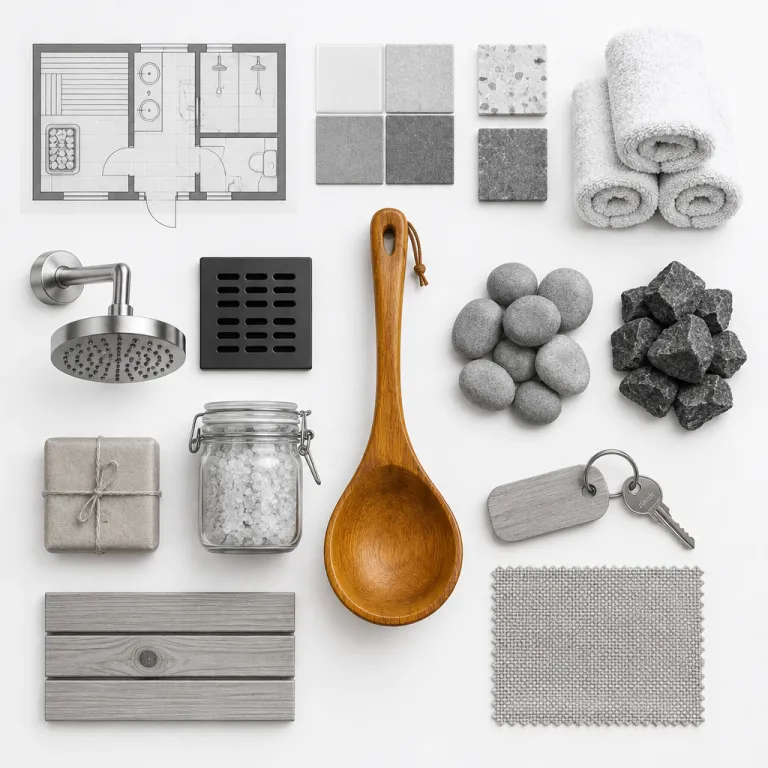
Why campground bathhouse design quality is the real lobby
Walk into any premium campground and head straight for the bathhouse. This is where the true campground bathhouse design quality quietly reveals whether the property aims for hotel level polish or accepts a rough camping compromise. For couples used to refined city stays, that first step into the shared space will set expectations for every other part of the park.
Think of the main bathhouse as the lobby of an outdoor hotel, because every guest from tent camping purists to cabin renters and RV travelers eventually passes through the same doors. The way the campground bathroom is lit, ventilated, signed and maintained tells you more about management priorities than any glossy website photos or clever amenity list ever will. When a property invests in high quality finishes, reliable hot water and thoughtful comfort convenience here, you can usually check off worries about cleanliness and service for the rest of your time on site.
Luxury focused operators understand that showers are not just plumbing; they are part of the emotional arc of a stay. After a long time on the trail or a windy night under canvas, the feel of consistent water pressure and a genuinely warm shower becomes the defining memory of the outdoor experience. If the bathhouse feels like an afterthought, the entire campground experience will struggle to feel premium no matter how good the views or how high the nightly price.
First impressions in a shared space
As you walk up, check the path surface, lighting and signage before you even reach the door. A well graded walkway that drains water away from the entrance, with subtle low level lights and clear icons, signals that the operator thinks about real world weather conditions and guest safety. If you are picking between several camping sites on a booking platform, zoom in on photos of this approach route because it often separates ideal campgrounds from merely adequate ones.
Inside, your eyes will instinctively scan for layout logic, privacy and comfort functionality rather than décor alone. Are the shower facilities separated from toilets in a way that avoids queues crossing, and is there a clear flow from dry to wet zones so you are not forced to track water back through the space? Couples who travel often quickly learn that this kind of practical model of circulation predicts how the rest of the park is planned and whether quiet hours, personal space and shared areas will feel considered.
Even small details like where portable hairdryer points are placed or how many hooks sit outside each shower cubicle speak volumes. When you see long lasting stainless steel fixtures, generous benches and shelves that withstand elements without wobbling, you are looking at a team that expects guests to stay a long time and move through the space with ease. That is the same mindset that usually delivers quick easy check in, responsive communication and a genuinely high quality stay across the whole campground.
From cinder block to spa level: reading design ambition
Across premium camping markets, the spectrum of campground bathhouse design quality runs from bare cinder block rooms to architect designed pavilions with skylights and heated floors. A simple structure can still feel good if it is immaculately kept, but when you are paying hotel comparable price levels you are entitled to expect more than a basic utility block. The most ambitious properties now treat the bathhouse as a signature building that frames your outdoor experience rather than hiding it behind the trees.
Look for natural light first, because daylight is the cheapest design tool and the hardest to fake. High windows, clerestory bands or open truss roofs allow steam to rise while keeping privacy intact, and they make early morning showers feel less like a chore and more like a ritual. When you see this kind of thoughtful model of ventilation and light, you can be confident that the same design intelligence probably shapes the cabins, glamping tents and even the pool or hot tub areas.
Material choices tell another story about ambition and durability. Campgrounds that use reclaimed wood, recycled composite decking and local stone in the bathhouse are not just chasing a look; they are building a long lasting unit that can withstand elements from freeze thaw cycles to coastal salt spray. This attention to durability usually pairs with higher specification water heater systems, meaning hot water is not a lottery at peak time but a reliable comfort convenience that feels closer to a spa than a roadside stop.
Features that signal premium intent
In higher end parks, you will often find individual shower rooms rather than open rows of stalls. These private units may include a bench, multiple hooks, a dry changing zone and sometimes even a small seat, which transforms a basic shower into a genuinely relaxing pause in your camping day. When each unit is fully enclosed with proper acoustic separation, couples can freshen up without feeling rushed by the sounds of the queue outside.
Temperature control is another clear marker of campground ambition, because it requires both capital investment and operational discipline. Radiant floor heating, ceiling fans and operable windows allow the bathhouse to adapt to changing weather conditions, keeping the air fresh in summer and the tiles warm under bare feet in shoulder seasons. Properties that get this balance right usually also excel in other premium wellness touches, such as the elegant hot tub cabins highlighted in many luxury campground reviews.
Do not overlook the fittings, because they are where design meets daily use. High quality mixer taps, well sealed grout lines and commercial grade shower heads that maintain pressure even when several showers run at once show that the operator has tested the system under real load. When you see this level of specification, you can safely assume that the rest of the campground infrastructure from electrical hook ups to Wi Fi has been chosen with the same seriousness.
Water, pressure and the quiet engineering behind comfort
For all the talk of style, campground bathhouse design quality ultimately lives or dies on water management. You are not booking a premium campground to gamble on whether the shower will be hot after a day of hiking or paddling. Behind every consistently satisfying shower lies a network of pumps, tanks and heaters that has been sized and maintained with care.
When you tour or virtually inspect a campground, pay attention to how the operator talks about their water systems. A team that can explain storage capacity, filtration and water heater redundancy in plain language is usually the same team that will respond quickly if a unit fails on a busy weekend. In contrast, vague reassurances about "plenty of hot water" without any detail often translate into lukewarm showers at peak time when every guest returns from the trail at once.
Pressure is the other half of the equation, and it is where many otherwise attractive camping sites quietly fall short. A beautifully tiled shower room means little if the flow dribbles out, forcing you to spend a long time under the spray just to rinse off sunscreen and dust. Premium operators invest in balanced pressure systems that keep showers strong and stable even when laundry rooms, dishwashing sinks and other water hungry features are running nearby.
Drainage, cleaning and the unseen details
Look down as well as up, because floor design is a direct indicator of how seriously a campground takes hygiene. Properly sloped tiles that move water towards linear drains, with no standing puddles, reduce slip risks and make cleaning faster for staff. When you see this kind of thoughtful detailing, you can infer that the same mindset probably governs waste management, recycling and overall park maintenance.
Cleaning schedules should be visible and specific, not implied. A simple wall chart with time stamped check marks throughout the day shows that the team treats the bathhouse as a living space rather than a back of house chore, and it reassures guests who value cleanliness as much as scenery. Properties that maintain this discipline often extend it to pool complexes and shared lounges, which is why many of the best luxury campgrounds with swimming pools near you also boast exemplary shower facilities.
Ventilation is another subtle but crucial factor in long term durability. A bathhouse that smells fresh, with quiet fans and operable windows, will age more gracefully than one that traps steam and encourages mold, no matter how expensive the initial finishes. Over time, this kind of engineering foresight protects both the building and your comfort, ensuring that the space feels inviting rather than merely functional every time you step inside.
Shared standards for tents, cabins and RVs
One of the most revealing aspects of campground bathhouse design quality is that it serves every guest equally. Whether you arrive with a compact tent, a fully equipped RV or a design forward cabin reservation, you will probably use the same showers and toilets at some point. That makes the bathhouse the great equalizer, and it is where any gap between marketing language and operational reality becomes impossible to hide.
For couples who usually book hotels, this shared space can feel like a test of how comfortable they are with genuine camping culture. A well designed bathhouse softens that transition by offering hotel adjacent comfort convenience while still keeping you connected to the sounds and air of the park. When you can step from a warm, well lit shower straight into a cool night breeze under the stars, the line between indoor and outdoor experience blurs in the best possible way.
Premium operators understand that tent camping guests rely on the bathhouse most heavily, because they do not have private bathrooms to fall back on. If the campground bathroom feels neglected or under specified, those guests will feel the shortfall every single day of their stay, no matter how beautiful their pitch might be. In contrast, when the shared facilities feel generous and thoughtfully planned, even the simplest camping sites can deliver a stay that rivals far more expensive lodging.
Accessibility, privacy and inclusive design
Ambitious campgrounds treat the bathhouse as a statement about who is welcome and how they are expected to move through the space. Step free access, properly dimensioned accessible stalls and clear tactile signage show that the operator has thought beyond minimum code requirements to real world use. If you care about inclusive design, look for properties that match the standards described in detailed guides to what accessible camping looks like when a campground actually cares.
Privacy is another non negotiable for many couples, especially those new to camping. Individual lockable rooms, thoughtful sightlines and gender inclusive options where appropriate allow guests to relax rather than rush, which in turn reduces wear and tear because people treat spaces they respect more gently. When you see this kind of social intelligence embedded in the bathhouse layout, you can usually expect quiet hours to be enforced and communal fire pits to feel convivial rather than chaotic.
Finally, pay attention to how the bathhouse connects back to the rest of the park. Covered walkways, proximity to key camping sites and logical routes from cabins or glamping tents all contribute to whether late night bathroom trips feel safe and simple or awkward and exposed. The more seamlessly this circulation works, the more likely it is that the entire campground has been planned as a coherent hospitality experience rather than a patchwork of unrelated units.
How to evaluate bathhouse ambition when booking online
Most travelers now choose their campground from a screen, which makes reading between the pixels essential. When you scroll through a listing, resist the urge to skip content that looks less glamorous and instead search for clear, well lit photos of the bathhouse from multiple angles. Properties that are proud of their campground bathhouse design quality will show it off openly rather than hiding it behind stock images of sunsets and campfires.
Start by checking whether the listing describes specific features rather than vague comfort claims. Mentions of individual shower rooms, underfloor heating, high quality fixtures and reliable hot water at peak times indicate that the operator understands what discerning guests actually care about. If the description talks about the water heater capacity, cleaning frequency or how the building is designed to withstand elements in harsh weather conditions, you are probably looking at a serious, guest focused park.
Price should then be weighed against these tangible details rather than against a generic idea of camping. A higher nightly rate can represent good value if it buys you long lasting infrastructure, genuinely comfortable shower facilities and a bathhouse that feels closer to a small spa than a highway rest stop. When you compare options, think like a hotel guest and ask whether the shared bathroom experience will feel like a downgrade from your usual standards or an intriguing variation on them.
Questions to ask and signals to trust
If information is thin, do not hesitate to contact the campground directly with precise questions. Ask about the number of showers per guest, whether any unit is fully private, how often the facilities are cleaned and what happens if a water heater fails during a busy weekend. The clarity and speed of the reply will tell you as much about the operator as the content of the answer itself.
Reviews are another powerful lens, especially when you filter for mentions of the bathhouse, campground bathroom and overall cleanliness. Experienced campers rarely hold back when shower pressure is weak, hot water runs out or maintenance lags, and patterns in these comments are more reliable than a single glowing or angry post. When multiple guests praise the same concrete details, such as warm floors, generous hooks or quick easy access from most camping sites, you can treat those as trustworthy indicators of real world performance.
Ultimately, the bathhouse is where a campground’s ambitions become visible in tile, timber and steam. If the design, engineering and daily care of this building feel thoughtful and robust, the rest of your stay will almost always follow suit. Choose the parks that treat this shared space as their true lobby, and your next romantic camping trip will feel less like a compromise and more like a different, wilder kind of luxury.
FAQ
How can I tell if a campground bathhouse will feel truly premium?
Look for specific, concrete details rather than marketing adjectives. Photos should show natural light, clean grout lines, private or semi private showers and well maintained fixtures, while descriptions should mention reliable hot water, strong pressure and clear cleaning schedules. When operators are transparent about materials, water systems and accessibility, the campground bathhouse design quality usually matches hotel level expectations.
Are private shower rooms worth paying extra for at a campground?
For many couples, private shower rooms significantly improve comfort and relaxation. These units typically offer a dry changing area, seating, multiple hooks and better acoustic separation, which makes the routine of washing up feel calmer and more secure. If you are transitioning from hotels to camping, this added privacy can make the overall outdoor experience feel much closer to your usual standard.
What does good accessibility look like in a campground bathhouse?
Accessible bathhouses provide step free routes, wide doors, grab bars, roll in showers and fixtures placed at appropriate heights. Clear signage, non slip surfaces and enough turning space for mobility devices are also essential for genuine usability rather than box ticking. When a campground invests in these elements, it usually reflects a broader culture of care across the entire property.
How often should a well run campground clean its bathhouse?
High quality campgrounds typically clean bathhouses multiple times per day, with extra checks during peak morning and evening periods. Visible cleaning logs with time stamped entries help guests verify that this routine is actually followed rather than just promised. If reviews consistently praise cleanliness, that is a strong sign that the schedule is both robust and respected.
Does a beautiful bathhouse always mean the rest of the campground is excellent?
A well designed bathhouse is a strong positive signal, but it is not the only factor that matters. You should still assess campsite layout, noise management, staff responsiveness and overall maintenance to get a complete picture of quality. However, when the bathhouse is thoughtfully built and meticulously cared for, it usually indicates that the operator takes the entire guest experience seriously.
Sources
National Park Service guidance on campground facility design, American Hotel & Lodging Association best practice summaries on guest bathrooms, and the KOA North America Camping Report, which regularly notes that clean restrooms and showers rank among the top deciding factors for campers when choosing where to stay.