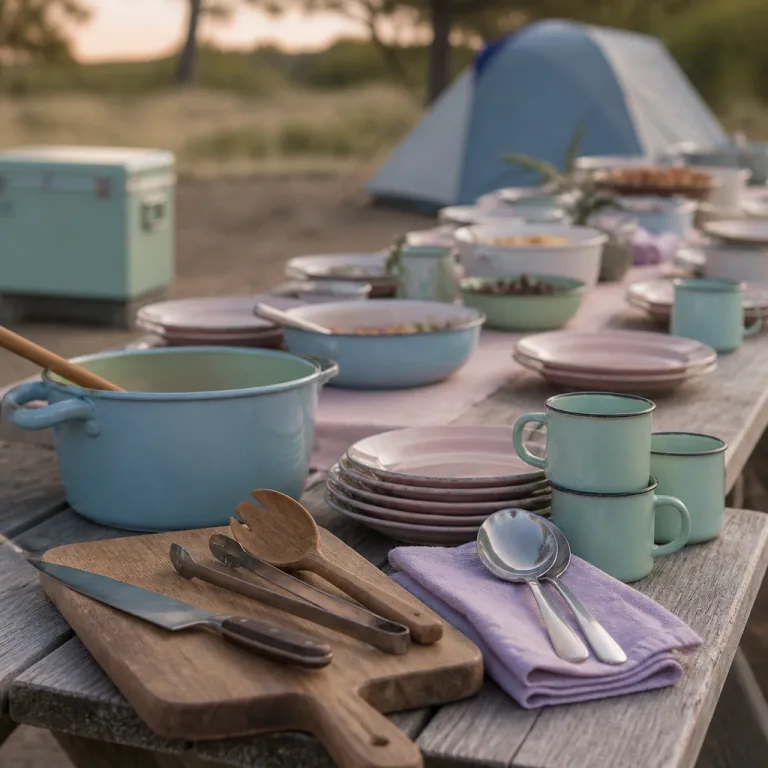
From campsite meal to curated campground dining communal food experience
Luxury camping has quietly rewritten the script for dinner under the stars. What used to be a solo grill and a cooler now becomes a curated campground dining communal food experience where couples share long tables with fellow campers and talk as much about provenance as about trail conditions. The most interesting campgrounds treat food as a form of hospitality performance, not an afterthought beside the fire.
Across North America, premium campgrounds and elevated campgrounds with glamping tents are programming dining options the way city hotels program lobby bars. Kampgrounds of America (KOA) partnering with Beef Loving Texans for the “Savor the Texas Outdoors” initiative signaled that campground dining could be a destination experience, not just fuel for the next hike. When you book through a luxury focused website, you now compare not only pitch size and outdoor kitchen access, but also whether the campground offers hosted suppers, community events, and structured cooking activities.
For couples used to hotel stays, this shift matters because the meal now shapes the entire camping experience. A well run campground dining communal food experience can turn a simple camping weekend into a social retreat where a group of strangers becomes a temporary community. When you read reviews, notice how often campers now rate the shared table, the outdoor kitchen layout, and the warmth of the host alongside Wi Fi performance and shower pressure.
How communal dinners create connection, not just calories
Shared meals are becoming the emotional center of the premium camping experience. Operators have learned that a thoughtfully hosted campground dining communal food experience can deliver the sense of community that surveys show more than four out of five travelers now seek from their stay. When couples arrive as two and leave with a WhatsApp group of fellow campers, the campground has done more than provide a pitch ; it has created belonging.
On well run properties, the evening rhythm is deliberate rather than improvised. Guests might gather at a long farm table beside the outdoor kitchen for a welcome drink, then rotate through cooking stations where each dish includes a written note about origin, ingredients, and suggested wine pairings. By the time dessert cookies appear from a cast iron skillet, strangers have swapped trail tips, compared camping gear, and started planning the next day’s activities together.
This style of hospitality works because it respects both privacy and proximity. Couples can choose a quiet corner table or sit shoulder to shoulder with fellow campers, yet everyone shares the same menu and the same story about the food on their plate. When you browse a booking website for campgrounds, look for language about community events, shared cooking, and hosted dining options ; these are reliable signals that the campground takes social connection as seriously as scenery.
From food trucks to camp to table: formats that elevate dinner
The most compelling properties now layer several formats to build a rich campground dining communal food experience. You might arrive to find a vintage Airstream food truck parked beside the meadow, serving regional food in small plates designed for sharing with fellow campers. Later in the stay, a camp to table supper might unfold under string lights, with vegetables from a nearby farm and local ranch beef grilled in the outdoor kitchen while the river provides the soundtrack.
Some luxury campgrounds experiment with curated food stations instead of a single buffet line. One corner of the campground might host a taco bar with handwritten cards explaining masa varieties, while another offers a dessert table where warm cookie skillets sit beside jars of toppings and tasting notes. These touches turn simple cookies into conversation starters, and they give campers who are shy about group activities an easy way to join the flow without a formal commitment.
For couples used to hotel club lounges, this variety feels both familiar and refreshingly unpolished. You still enjoy attentive hospitality and thoughtful dining options, but you eat with hiking boots on, not dress shoes. When you compare campgrounds on a booking website, pay attention to how many nights per week they program food trucks, how often they host community events around cooking, and whether the outdoor kitchen is treated as a social hub rather than a purely functional amenity.
Why dinner now shapes reviews, rates, and repeat stays
In the premium camping category, the meal has become a core part of the value proposition. Guests no longer judge a campground only by the view from the tent or the distance to the trailhead ; they also rate whether the campground dining communal food experience felt generous, well organized, and genuinely communal. When a couple pays a higher nightly rate, they expect more than a fire ring and a picnic table.
Operators have noticed that strong food programming often correlates with better online performance and higher repeat bookings. Reviews now mention the outdoor kitchen layout, the ease of joining a group dinner, and the warmth of the host almost as often as they mention the campsite itself. On a curated website like campgroundstay.com, where the mission is to highlight the campground where the host remembers your name, the presence of a shared table can be the difference between a standard listing and an insider recommendation ; you can see this clearly in the feature on the campground host who remembers your name.
For couples choosing between a hotel and a high end campground, this shift changes the calculus. A hotel might offer room service, but a campground that stages a thoughtful communal dinner offers stories, friendships, and a sense of community that lingers long after the camping experience ends. When you read reviews on any booking website, scan for specific mentions of dining options, community events, and shared cooking activities ; vague praise is less useful than concrete detail.
How smaller campgrounds can host big hearted meals
Independent campgrounds without a full restaurant can still deliver a memorable campground dining communal food experience. The most charming examples often come from small properties where the owner grills over an open flame while a handful of campers chop vegetables at a communal prep table. What matters is not scale but intention, and how clearly the campground signals that dinner is a shared ritual rather than a private chore.
A simple outdoor kitchen with sturdy counters, good lighting, and a few large pots can anchor weekly community events such as chili nights, pasta suppers, or cookie baking sessions. Couples bring their own ingredients, the campground provides the infrastructure, and everyone shares the results at a long table under lanterns. This model keeps costs manageable while still allowing the campground to charge a premium over bare bones camping, because the perceived value of connection is high.
For operators, the key is to frame these gatherings clearly on the booking website so that user consent to join feels natural rather than pressured. Describe the group meal as an optional activity, outline the cooking format, and highlight how fellow campers often trade recipes and local tips during the evening. When you are choosing where to stay, look for this kind of transparent hospitality language ; it signals a campground that understands both romance and respect for personal space.
Digital hospitality: how websites shape the communal table
Behind every polished campground dining communal food experience sits a digital layer that quietly shapes expectations. A well designed booking website does more than show tent photos ; it narrates the rhythm of the evening, from aperitif to the last shared cookie at the fire. For couples comparing camping options, this storytelling can be the deciding factor between a standard campground and a place where dinner genuinely brings strangers to the same table.
Luxury focused campgrounds increasingly treat their website as an extension of on site hospitality. Clear descriptions of dining options, community events, and cooking activities help campers understand how social the camping experience will feel before they arrive. When a website explains whether the outdoor kitchen is open to all, whether a group meal runs on certain nights, and how many campers typically attend, couples can choose the level of community that suits their trip.
At the same time, operators must balance warmth with respect for privacy and data protection. Many premium websites now use cookie consent banners that comply with GDPR style standards, even when they serve primarily United States guests, because this signals seriousness about user consent and digital hospitality. For travelers, a campground that handles website cookies with care often handles real world hospitality with the same attention to detail.
What cookie banners reveal about serious campground operators
It may seem far from the campfire, but the way a campground website manages cookies can tell you a lot about its ethos. When you land on a booking page and see a clear cookie consent banner that explains how website cookies store user preferences, you are glimpsing the same respect for boundaries that should govern any campground dining communal food experience. Serious operators know that trust starts long before the first plate of food appears.
Many premium camping websites now use a consent plugin that organizes cookies by category, such as necessary, analytics, and marketing. You might see a cookielawinfo checkbox beside each cookies category, allowing user consent to be as granular as choosing a seat at the communal table. Some systems even specify the duration of each cookie set, such as a six months cookie that remembers your preferred dining options or a shorter session cookie that tracks booking performance without storing personal details.
For travelers, this level of transparency matters because it mirrors the clarity you want around on site community events and group activities. If a website explains how a plugin cookie or cookie store works, and how consent cookies help store user choices about newsletters or special offers, you can reasonably expect the same clarity about how many fellow campers will join a shared supper. In both digital and physical spaces, good hospitality is about informed consent, whether you are agreeing to a gdpr cookie policy or to sit beside strangers at a long wooden table.
Designing the outdoor kitchen as a social stage
The physical layout of the outdoor kitchen often determines whether a campground dining communal food experience feels natural or forced. When counters face inward and grills sit at the center, couples can chat with fellow campers while chopping herbs or turning skewers. In contrast, a row of isolated cooking stations can make even the most ambitious camping experience feel like a row of private hotel minibars.
Thoughtful campgrounds treat the outdoor kitchen as a stage for gentle performance rather than a back of house utility zone. You might see a central prep island where a host demonstrates simple cooking techniques, flanked by smaller stations where campers finish their own dishes. This arrangement encourages light collaboration, from sharing olive oil to swapping cookie recipes, without turning dinner into a mandatory team building exercise.
When browsing a booking website, look closely at photos of the outdoor kitchen and adjacent seating. Benches that face one another, soft lighting, and a mix of two top tables for couples and larger group tables all help the space flex between intimacy and community. The best campgrounds understand that couples want both : a romantic meal and the option to drift into conversation with fellow campers once dessert arrives.
Programming community events that feel effortless, not engineered
Communal meals work best when they feel like an organic extension of the camping experience rather than a forced activity. The most successful campgrounds schedule a light framework of community events around food, then allow the chemistry between campers to do the rest. A weekly pizza night, a casual cookie swap, or a bring your own bottle long table supper can be enough.
From an operator’s perspective, the goal is to design activities that respect different comfort levels. Some couples will happily join a structured cooking class, while others prefer to linger at the edge of the outdoor kitchen and gradually join conversations with fellow campers. By offering both formal and informal formats, the campground ensures that the communal food experience enhances rather than overwhelms the core appeal of camping.
As you evaluate campgrounds on a booking website, read how they describe their community events calendar. Look for specific details about timing, group size, and whether participation is optional, just as you would check cancellation policies or pitch dimensions. When a property is transparent about how its campground dining communal food experience unfolds, you can choose with confidence whether that style of social energy suits your trip.
FAQ
How do I know if a campground really offers communal dining ?
Read the campground’s website carefully and look for explicit references to shared tables, hosted suppers, or scheduled community events around food. Photos of long tables, an open outdoor kitchen, and groups of campers eating together are strong indicators. Reviews that mention meeting fellow campers over dinner or joining a group meal are even more reliable than marketing copy.
Can a communal food experience still feel romantic for couples ?
Yes, when the campground balances shared spaces with private corners. Many premium properties design outdoor kitchens and dining areas with a mix of two person tables and larger group seating, so couples can start the evening alone and join others later. Choosing a campground that clearly explains its dining options and social atmosphere on the website helps you match the vibe to your idea of romance.
What should I bring to a campground that hosts shared dinners ?
Check pre arrival information for any guidelines about ingredients or themes. Often the campground provides core staples and equipment in the outdoor kitchen, while campers bring favorite ingredients, a bottle of wine, or a batch of cookies to share. Comfortable layers, a headlamp, and a willingness to chat with fellow campers are just as important as what is in your cooler.
Are communal meals suitable for guests with dietary restrictions ?
Well run campgrounds usually ask about dietary needs during booking or check in, then adapt the communal menu accordingly. Some offer separate cooking stations or labeled dishes so guests with allergies or preferences can participate safely. If your needs are complex, contact the campground directly before booking to confirm how they handle special diets within their communal food experience.
Do smaller independent campgrounds offer the same quality of dining as larger resorts ?
Smaller campgrounds often deliver more personal and characterful meals, even without a full restaurant. You might trade a wide menu for a single well executed dish cooked by the owner and shared with a small group of fellow campers. When the focus is on connection and thoughtful ingredients, the overall camping experience can feel more luxurious than at a larger, more anonymous property.