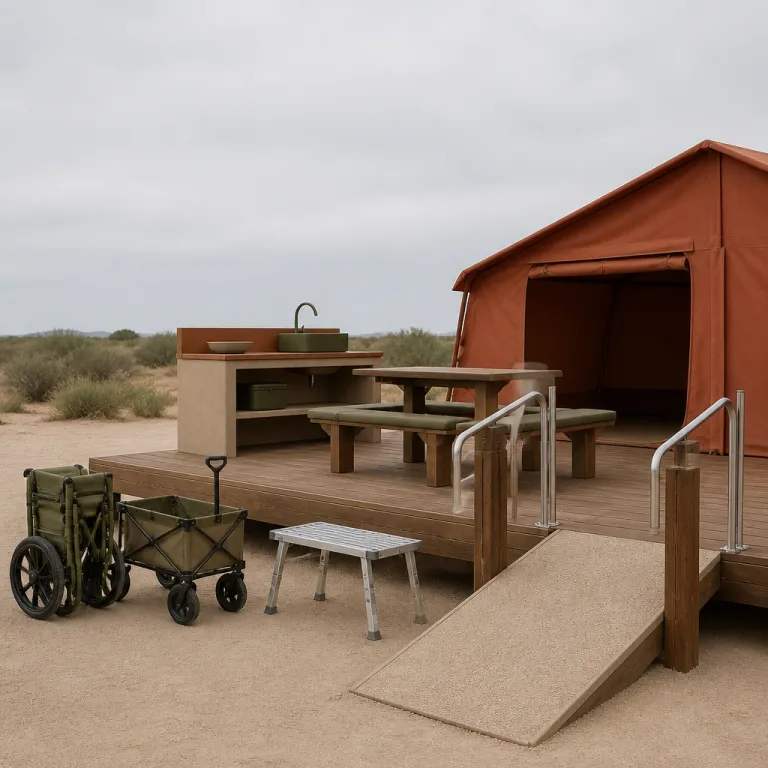
From ADA minimums to a truly accessible campground experience
When a property takes accessibility seriously, the entire campground feels different. Instead of one token accessible campsite near the restroom block, you see a network of thoughtfully placed sites, each with firm, level pads that respect both mobility needs and views of the park. This is where the dry language of accessibility standards stops being legal jargon and becomes a lived outdoor experience for real campers.
Legal requirements for an accessible campground in the United States are modest; for example, the 2010 ADA Standards for Accessible Design and the Architectural Barriers Act Accessibility Standards generally require that at least 5% of camping units in a cluster be accessible, with technical criteria for slopes, surfaces and clearances (see 2010 ADA Standards, Sections 206.2.15 and 1011; ABAAS F244 and F247). That is the baseline for an ADA compliant or otherwise compliant campground, but it is not the benchmark for a genuinely inclusive outdoor retreat that welcomes people with disabilities and their families. Smart luxury campgrounds work with Accessibility Consultants and disability advocacy groups to go beyond accessibility guidelines and embed universal design into every decision, from pathways to shared fire pits.
Think about what this means when you book through a premium platform. Instead of a vague note saying “ADA site available”, you should see precise accessibility features listed for specific campgrounds, including surface type, maximum running slope (often 1:20 or flatter for walking surfaces, as referenced in ADA 403.3), proximity to accessible parking and the exact layout of facilities. That level of detail lets people who use a wheelchair, scooter or other mobility aids compare areas and amenities with the same confidence as they would compare room categories in an urban hotel. Photos, simple site plans and short staff notes such as “All accessible pads are within 150 feet of the washhouse via a paved route” turn abstract promises into concrete, verifiable information.
Pathways, pitches and facilities that work for every body
The most telling sign that a campground cares is the ground beneath your feet and wheels. Accessible pathways are at least 36 inches wide, gently graded and surfaced with compacted gravel, asphalt or boardwalks, so a wheelchair, stroller or walker can glide from campsite to restroom to activities without drama. When universal design is taken seriously, these pathways connect key areas such as play zones, cooking shelters and water access points, turning the whole park into one coherent, inclusive camping landscape.
In a well planned accessible campground, you will notice barrier free transitions everywhere you look. Raised thresholds are replaced by flush entries, tent pads are level and firm, and shared facilities such as kitchens and lounges include adjustable counters and clear turning circles of at least 60 inches for mobility devices. At Oregon’s Silver Falls State Park, for example, the accessible campground loop includes paved routes from parking bays to tent pads, with cross slopes kept under 2% and compacted crushed rock surfaces that remain stable in wet weather. This is where smart campground features intersect with remote work trends; a level, sheltered picnic table with power outlets and Wi Fi, as explored in this guide to working remotely from a campground, becomes both an accessibility feature and a productivity amenity.
Bathrooms and showers are where accessibility succeeds or fails for many campers. A truly accessible camping block offers roll in showers with correctly placed grab bars, stable benches at the right height, and enough space for a caregiver to assist a person with a disability without feeling squeezed. When these facilities are paired with clear signage, tactile markers and reliable hot water service, the result is an elevated camping experience that feels premium rather than clinical. As one campground manager in Colorado put it, “When guests tell us they can shower independently for the first time on a trip, we know the design work was worth every inch of turning space.”
Bathrooms, shared areas and the quiet power of thoughtful design
Step into a washhouse at a campground that has embraced universal design and you immediately sense the difference. Doors are light but solid, circulation space is generous, and fixtures are positioned so that people using mobility aids or a mobility device can move without awkward contortions. These are not just ADA compliant boxes; they are carefully tuned facilities that respect privacy, dignity and routine.
Key accessibility features include roll under sinks with knee clearance, lever handles, contrasting tiles for low vision campers and grab bars that frame toilets and showers exactly where hands naturally reach. Benches are set at heights that work for both transfers and seated showering, while floor drains are positioned so water flows away from wheelchairs and walkers, keeping surfaces safer and closer to barrier free. When a compliant campground also offers family or companion care rooms, it signals that people with disabilities and multigenerational groups are not an afterthought but a core part of the guest mix.
Shared areas tell their own story. Fire circles with level approaches, picnic shelters with a mix of fixed and movable seating, and community rooms with loop systems for hearing aid users all contribute to inclusive outdoor gatherings. Properties such as the serene mountain retreat reviewed in this profile of Ghost Mountain Ranch Resort show how thoughtful design of communal spaces can elevate the overall outdoor recreation offer for every camper, not only those who identify as disabled. At Ghost Mountain Ranch Resort, for instance, the main lodge features a gently sloped ramp at 1:20, automatic doors and a mix of seating heights, making it easy for wheelchair users and older adults to join evening events without feeling singled out.
Programming, nature access and inclusive outdoor recreation
Where many campgrounds stop at infrastructure, the most forward thinking parks extend accessibility into their programming. Guided hikes are offered on firm, gently graded trails, with clear information about distance, elevation and surface so campers can judge the outdoor experience against their own mobility. Adaptive activities such as seated fishing platforms, accessible kayak launches and audio described nature walks turn inclusive outdoor ideals into real, shared memories.
Luxury oriented properties increasingly understand that accessible camping is not a niche product but a core part of their brand. Aging boomers, parents pushing double strollers and travelers recovering from injury all benefit when a park invests in universal design and follows robust accessibility guidelines. When staff are trained to welcome service animals, explain accessibility features without fuss and offer adaptive equipment such as beach wheelchairs or hiking poles, the service culture itself becomes an amenity.
Smart campground management teams also recognise that inclusive camping extends to sensory and social needs. Quiet zones for neurodivergent campers, flexible check in processes and clear online descriptions of activities help people with disabilities plan their camping experience with confidence. As one practical planning tip from accessibility experts puts it, “Verify accessibility features in advance. Bring necessary adaptive equipment.” A premium booking website that centralises this level of detail across multiple campgrounds becomes an invaluable tool for families, especially when paired with clear photos, simple icons and short first person quotes from guests about what worked well for them.
How premium booking platforms can separate token from true access
For travelers using a luxury and premium booking website, the real test is how well the platform translates accessible campground and universal design principles into usable information. A serious site does not hide accessibility in a single checkbox; it breaks down accessibility features by campsite, cabin and shared facility, with photos, measurements and clear language. That transparency lets people with disabilities compare campgrounds in various regions of the USA with the same nuance they apply to room categories or spa amenities.
Look for listings that specify accessible parking locations, surface types on pathways, and whether routes between key areas are genuinely barrier free. Detailed notes on grab bars, shower formats, bed heights and turning radii in cabins or glamping tents help people with disabilities and their families avoid unpleasant surprises on arrival. Platforms that highlight inclusive camping initiatives, such as adaptive outdoor activities or partnerships with local government agencies and disability advocacy groups, signal a deeper commitment to inclusive outdoor travel.
Some of the most interesting innovation sits at the intersection of sustainability and accessibility. Campgrounds that invest in native landscaping, boardwalks over sensitive wetlands and composting toilets, like those profiled in this feature on sustainable campground design, often find that these choices also improve access for a wider range of campers. When campground management teams consult Accessibility Consultants during the planning, implementation and operational phases, they tend to report higher bookings, stronger guest loyalty and a broader, more diverse community around the campfire.
FAQ
What features define an accessible campsite?
According to established guidance, “What features define an accessible campsite? Level ground, accessible restrooms, and firm pathways.” In practice, the best accessible camping sites also offer nearby accessible parking, clear space for a mobility device, and logical routes to key facilities. When these elements are combined with universal design touches such as adjustable picnic tables and good lighting, the result is a safer and more comfortable camping experience.
How can I find accessible campgrounds in the USA?
State and national park websites usually indicate which campgrounds include accessible facilities and ADA compliant sites. For a more premium experience, use booking platforms that provide detailed accessibility features for each campground, including photos and measurements. When in doubt, contact campground management directly and ask specific questions about pathways, bathrooms, service animal policies and available mobility aids.
What is the difference between ADA compliance and universal design at a campground?
ADA compliance refers to meeting the minimum legal standards for access, such as providing a certain percentage of accessible sites and basic accessible restrooms. Universal design goes further by creating facilities, pathways and amenities that work well for as many people as possible, including children, older adults and individuals with temporary injuries. A campground that embraces universal design will usually feel easier, safer and more intuitive for everyone, not only for people with disabilities.
Which accessibility details should I check before booking an accessible camping trip?
Before you reserve, confirm the surface and slope of the campsite pad, the distance to accessible restrooms and the availability of accessible parking. Ask about grab bars, shower formats, door widths and whether routes between key areas are barrier free and well lit. If you travel with a mobility device or service animal, verify any specific policies and whether staff are familiar with accessibility guidelines relevant to outdoor recreation.
Do accessible campground features benefit campers who do not identify as disabled?
Yes, universal design almost always improves the outdoor experience for a wide range of guests. Level pathways help parents with strollers, older adults with reduced mobility and travelers rolling heavy coolers or gear. Clear signage, comfortable benches and thoughtfully designed facilities make the entire campground more welcoming, which is why inclusive camping is increasingly seen as a smart investment rather than a specialist add on.