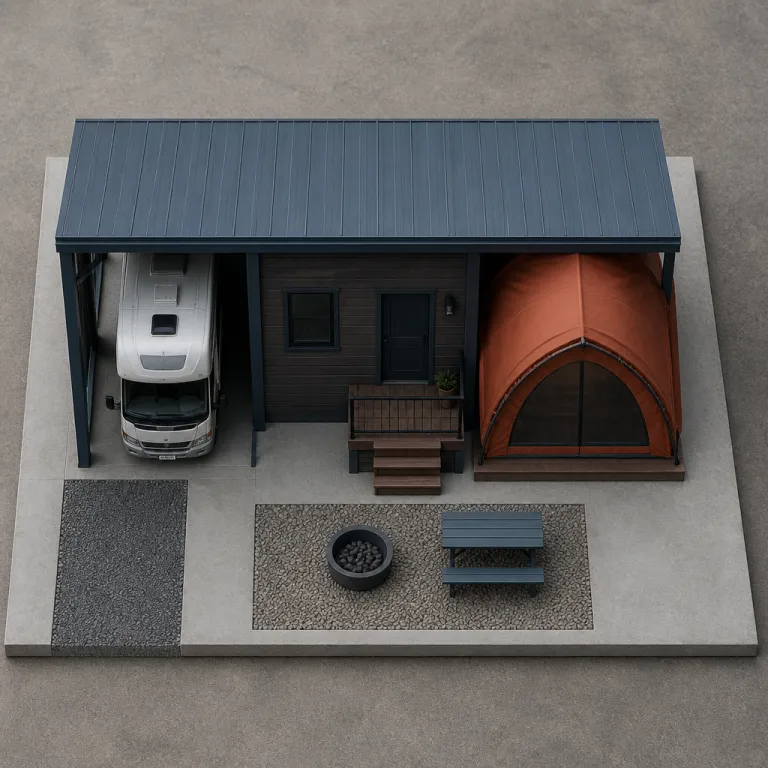
Why mixed-use campgrounds now rival traditional hotels for families
Mixed use campground RV cabin glamping properties have quietly become the new family base camp. A mixed-use campground is a single park where RV sites, cabins, tent camping pitches, and glamping tents sit side by side, giving one guest list several ways to stay. For parents who once filtered every trip through hotel search engines, this hybrid camping experience now feels like a genuine alternative rather than a compromise.
Across the United States, more than half of new campground developments open as mixed-use parks rather than single format RV rows. That shift reflects a simple reality ; a modern campground resort must serve grandparents in motorhomes, parents in cabins, and teenagers in glamping domes without losing the sense of being in a real park campground. When you book a stay at these properties, you are choosing a small ecosystem rather than a single site type.
Industry data shows that glamping rentals can command nightly rates closer to urban hotels, while standard RV sites still anchor affordability. This revenue mix lets owners keep tent camping pitches and basic sites available at reasonable fee levels, even as they add high margin cabins and safari tents. For families, that means you can enjoy campground life with hotel adjacent comfort, then send the kids to explore the water access or nature trails while you linger at the picnic table with a coffee.
How mixed-use layouts serve different travelers on the same property
Walk a well designed mixed use campground RV cabin glamping property on a busy day weekend and you will see three trips happening at once. Near the entrance, pull through RV sites with 30 or 50 amp service handle the long term snowbird crowd and road trip families who treat the campground as a moving home. Deeper in the park, compact cabin clusters and glamping tents feel more like a small resort, with short walks to the activity center and pool.
Parents with younger children often choose a cabin rental close to the playground or water feature, while couples might book a glamping tent on the edge of the park campground for more privacy. Solo RVers gravitate toward full hookup sites where campsites include easy access to dump stations, reliable amp service, and level pads that make arrival will feel effortless after a long drive. Tent camping guests usually prefer loops with more trees, softer ground, and a picnic table plus fire ring at every site, even if that means a slightly longer walk to the bathhouse.
For planners used to hotels, the key is to match your group’s rhythm to the right corner of the campground resort. If you are traveling for Memorial Day or Labor Day, treat reservations like you would for a city break and secure your preferred accommodation months ahead, especially if you want a specific view or proximity to a golf course or lake. Resources such as the guide to Memorial Day camping sites that seasoned campers book months ahead show how quickly the best mixed-use sites go during peak days.
Revenue, seasonality, and why operators are betting on variety
For owners, mixed use campground RV cabin glamping strategies are not a design fad ; they are a revenue engine. Traditional RV only parks live and die by summer occupancy, with shoulder season days often half empty even in scenic regions. By layering insulated cabins, heated glamping tents, and weatherproof common buildings into the same campground, operators extend the viable season and smooth out cash flow.
Cabins and glamping rentals appeal to guests who would never tow a trailer, yet still want a camping experience with real air and real stars. Those units often sell out on weekends at rates that rival midscale hotels, while weekday pricing can flex to attract remote workers or long term stays. At the same time, standard RV and tent camping sites keep the park accessible to budget conscious families, ensuring that the campground offer does not drift into an exclusive resort bubble.
Developers now design entire properties around this mix, from the location of the activity center to the way campsites include full utility hookups or only basic water and power. A successful campground resort might ring its perimeter with premium glamping sites and cabins, then reserve interior loops for RVs and tent camping, all feeding into shared amenities such as pools, splash pads, and classes camps for children. For travelers tracking new openings, curated roundups such as the campgrounds opening this summer that deserve your attention increasingly highlight properties where variety is the main draw.
Designing a mixed-use campground that still feels like a real camp
The hardest part of building a mixed use campground RV cabin glamping property is not the plumbing ; it is preserving the soul of camping. When cabins, glamping tents, and RV pads share one park, the risk is that everything starts to feel like a generic resort with a few fire pits. The best operators fight that by letting the landscape lead, then tucking each accommodation type into its natural niche.
In practice, that means placing tent camping loops where morning light filters through trees and traffic noise fades, even if that complicates utility runs. RV sites might line the more accessible edges of the park campground, with wide turning radiuses and clear sightlines, while cabins step down a slope toward water or a meadow. Glamping sites often occupy the most photogenic corners, but the smartest designs still give tent campers at least a few of the hero views, so every guest can enjoy campground sunsets without paying a premium.
Shared spaces matter just as much as private sites. A central lawn with sturdy table chairs, a covered picnic table pavilion, and a small amphitheater for classes camps or ranger talks can knit together guests who chose very different ways to stay. When campsites include thoughtful details such as level pads, subtle lighting, and native planting buffers, the park feels cohesive rather than crowded, and even a full holiday weekend can retain the quiet moments that define a true camping experience.
How to choose between RV pads, cabins, and glamping as a guest
Standing in front of a mixed use campground RV cabin glamping booking page can feel like facing a restaurant menu in a foreign language. Start by deciding how close you want to be to the elements, then layer in comfort, privacy, and budget. If you already own an RV, a full hookup site with 30 or 50 amp service will usually be the best value, especially for a long term stay of several days or more.
Cabins suit families who want walls, doors, and real beds, but still prefer a park over a city hotel. Many cabin rentals now include full kitchens, bathrooms, and climate control, so your arrival will feel as simple as opening a front door, yet you still step out to a picnic table and fire ring. Glamping tents and domes sit between those worlds ; they offer hotel level linens and design while keeping canvas walls, so you hear the night water and wind in a way you never will inside drywall.
For short weekend trips, consider how much time you will actually spend at your site versus the pool, trails, or nearby attractions. If you plan to explore a nearby county park or golf course all day, a simpler RV or tent camping site may be enough, freeing budget for activities and dining. When you expect to linger at the campground, perhaps during a three day weekend with friends, upgrading to a glamping rental or larger cabin can turn the site itself into the highlight of the stay.
What to know about booking, fees, and policies at mixed-use parks
The booking layer of mixed use campground RV cabin glamping properties is where they most differ from hotels. A single park might run separate inventory systems for RV sites, cabins, and glamping units, each with its own minimum stay rules, cancellation windows, and cleaning fee structures. When you book online, read the fine print for each accommodation type rather than assuming uniform policies across the campground.
Many mixed-use parks now require full payment at the time of reservations for high demand weekends such as Labor Day, especially for premium cabins and glamping tents. RV and tent camping sites may allow more flexible deposits, but late cancellations often will be charged at least one night’s fee, and some county park systems apply stricter rules than private resorts. Always confirm whether your campsite fee includes full utility hookups, access to the activity center, and use of amenities such as pools or classes camps, or whether certain features carry a separate charge.
On arrival, expect a check in process closer to a resort than a rustic campground. Staff will usually confirm your site number, explain quiet hours, and outline any rules about golf cart use, water access, or shared table chairs and picnic table areas. For families who like to plan ahead, curated guides such as the overview of elegant stays near major fairgrounds can help you align your campground choice with nearby events, so your camping experience feels integrated with the wider trip rather than an afterthought.
Spotlight on real-world mixed-use trends and guest expectations
Across the United States, mixed use campground RV cabin glamping development has moved from experiment to standard practice. Industry research now estimates that roughly two thirds of established campgrounds offer some combination of RV sites, cabins, and glamping units, with new projects rarely opening as single format parks. That aligns with the broader rise in camping participation, as millions of additional households try camping for the first time and bring hotel level expectations to the campground gate.
Guests increasingly look for tech integrated booking, clear site maps, and transparent fee structures, even when they plan a simple tent camping weekend. They expect that campsites include reliable water access, at least basic amp service where advertised, and communal spaces where families can enjoy campground life together, from shared grills to table chairs under a pavilion. Operators respond by upgrading Wi Fi, adding wellness focused amenities, and partnering with tourism boards to position each park campground as a regional base rather than a roadside stop.
As one industry explainer puts it, “What is a mixed-use campground? A campground offering RV sites, cabins, and glamping options.” That simple definition hides a complex operational reality, but for travelers the takeaway is clear ; the old choice between a hotel and a bare bones campground is gone. Today you can book a site that matches your comfort level, budget, and sense of adventure, all within a single property that feels as curated as any urban stay yet still wakes you with birdsong instead of an elevator chime.
Key figures shaping the rise of mixed-use campgrounds
- Roughly 65 % of established campgrounds in the United States now offer mixed-use accommodations that combine RV sites, cabins, and glamping units, according to the National Camping Association, reflecting a decisive shift away from single format parks.
- Glamping bookings have increased by around 150 % since the early part of this decade, based on the Glamping Industry Report, which helps explain why so many campground resort projects now allocate prime sites to canvas or dome style rentals.
- More than 50 million North American households camp at least once per year, based on Kampgrounds of America data, creating a guest base broad enough to support everything from basic tent camping loops to high end glamping villages on the same property.
- Average nightly rates for glamping rentals often range from approximately 250 to 600 US dollars, compared with roughly 30 to 80 US dollars for standard RV sites, giving owners a powerful incentive to include full spectrum accommodation mixes in new developments.
- Millennial and Gen Z travelers now spend roughly 250 to 300 US dollars per day on camping experiences, including activities and dining, which encourages operators to invest in activity centers, classes camps, and wellness programming that turn a simple site into a full resort style stay.
FAQ: mixed-use campgrounds, RV sites, cabins, and glamping
What is a mixed-use campground and how is it different from a standard park ?
A mixed-use campground is a single property that offers RV sites, cabins, tent camping pitches, and glamping units under one operational umbrella. This contrasts with traditional parks that might provide only RV hookups or only primitive tent sites. For guests, the main difference is the ability to choose from several accommodation types while sharing the same amenities, trails, and activity center.
Why are campgrounds diversifying into cabins and glamping rentals ?
Campground owners diversify into cabins and glamping rentals to attract a broader range of guests and stabilize revenue across seasons. Cabins and glamping units appeal to travelers who want a camping experience without owning gear or an RV, often at higher nightly rates than standard sites. This mix allows operators to keep basic camping options affordable while still funding upgrades such as pools, Wi Fi, and organized classes camps.
What amenities should I expect at a quality mixed-use campground resort ?
A well run mixed-use campground resort typically offers full hookup RV sites, clean bathhouses, and reliable water and power, alongside cabins or glamping tents with private bathrooms or shared luxury facilities. Many parks add an activity center, playgrounds, and sometimes a small golf course or sports courts to keep families engaged on site. You should also expect clear information about what campsites include, from picnic table and fire ring to amp service and Wi Fi coverage.
How far in advance should I book a mixed-use campground for a holiday weekend ?
For peak holidays such as Memorial Day or Labor Day, it is wise to book a mixed-use campground several months in advance, especially if you want a specific cabin, glamping unit, or premium RV site. Popular county park systems and private resorts often open reservations on a set calendar, and the best sites can sell out within hours. Booking early also gives you more control over your location within the park, from quiet tent loops to lively areas near the pool and activity center.
Will I pay extra fees at mixed-use campgrounds compared with traditional sites ?
Mixed-use campgrounds often apply higher base rates for cabins and glamping rentals, and some add cleaning or linen fees similar to vacation rentals. Standard RV and tent camping sites usually remain closer to traditional campground pricing, but you may still encounter separate charges for extra vehicles, late check out, or premium locations near water or amenities. Always review the fee breakdown before confirming your stay so you understand what is included and what will be charged on arrival or departure.