How luxury campgrounds are redefining the digital nomad campground
Luxury campgrounds are quietly becoming the preferred digital nomad campground for executives who refuse to compromise on work or wilderness. In the same way a five star city property anticipates boardroom needs, the best premium campground now designs every pitch as a flexible office with a forest view and reliable internet access that supports demanding remote work. This shift attracts digital nomads who want to travel for longer periods while keeping a stable work life rhythm and a clear sense of life balance.
Across high end campgrounds in North America and other mature camping markets, owners now treat connectivity as a core utility, not an optional perk, and they invest in routers, fibre backhaul and mesh networks with the same seriousness as water and power. Recent editions of the Kampgrounds of America (KOA) North American Camping & Outdoor Hospitality Report show that a strong majority of surveyed parks in the United States and Canada offer some form of WiFi, and that rising demand from remote workers and full time nomads has pushed many properties to upgrade their digital infrastructure and designate quiet zones for focused working. For business leisure travelers, this means a digital nomad campground can finally function as both a polished resort and a productive work environment, rather than a compromise on either side.
The most forward thinking campground owners understand that people choosing to work remotely from a camp are not simply camping for fun, they are running companies, leading teams and joining investor calls. They design separate areas where working nomads can set up a temporary office, away from the family friendly dog park or the late night fire circle, which will ensure that noise levels stay predictable during core work time. When you browse luxury campgrounds on a premium booking website, look for clear language about remote work facilities, quiet hours and the type of community the park cultivates, because this will shape your daily routine as much as the surrounding nature.
Connectivity standards at a digital nomad campground: what WiFi promises really mean
When a campground markets itself as a digital nomad campground, the first promise you should interrogate is its internet access claim. Not all campgrounds offer the same bandwidth, and the difference between basic email capable WiFi and a network that supports multiple video calls, cloud backups and streaming can define whether your working road trip feels effortless or exhausting. For executives who work remotely full time, a vague mention of "WiFi available" in a park description is no longer enough.
Ask the campground directly what speeds you can expect at your specific camp or resort pitch, and whether those speeds are measured at peak time when many digital nomads and remote workers are online. Some luxury campgrounds now publish minimum download and upload figures, and the most transparent properties explain if coverage is strongest near the main office, in designated work zones or across the entire camping area. As a concrete example, a well known luxury RV resort in Arizona reports typical speeds of 100–150 Mbps down and 20–30 Mbps up at individual sites during busy evenings, which comfortably supports several simultaneous video calls and large file transfers. If you are paying premium nightly rates that rival an upscale hotel, it is reasonable to evaluate whether the price aligns with the quality of the digital work environment, and guides that analyse when a campground charges 109 per night can help you frame that value question.
Remember that a park set deep in the great outdoors may rely on satellite or fixed wireless, which can be more vulnerable to weather and congestion, so your work leisure balance depends on honest expectations. For mission critical remote work, you should treat campground WiFi as one layer in a connectivity stack that also includes a mobile hotspot and possibly a cellular booster, because this redundancy will ensure that a single overloaded network does not derail your day. The most reliable digital nomad campground experiences come from properties that communicate clearly, enforce quiet zones near work areas and understand that their new clientele is not just camping but running serious work from nature.
Quiet zones, work life balance and the new etiquette of working from nature
As more digital nomads turn to the digital nomad campground model, quiet zones have become as important as clean washrooms or level pads. Campground owners now carve out specific sections of the park where people agree to keep voices low, avoid loud music and respect posted work time windows, which creates a predictable work environment for remote workers who need to present to boards or negotiate contracts. These quiet areas often sit slightly away from the main camping loops, yet still offer a strong WiFi signal and a calming view of nature.
Policies differ widely, so always ask how strictly the team enforces quiet hours and whether the quiet zone is near family facilities such as the dog park or playground, because this will influence your daily work life balance. Some luxury campgrounds pair quiet zones with shared co working style pavilions, where digital nomads can plug in laptops, use ergonomic seating and enjoy a subtle sense of community without the chatter of a traditional café. In lakeside destinations, such as refined cabin clusters around Midwestern reservoirs highlighted in guides to refined lakeside stays in Illinois, you will often find that the most coveted pitches are those that balance a tranquil work setting with an inspiring water view.
For executives extending a business trip into a road trip, this emerging etiquette matters as much as the scenery, because it shapes how comfortably you can work remotely while still feeling part of a relaxed camping community. A well run digital nomad campground will ensure that quiet zones are clearly signed, that generators are restricted during core working hours and that late arrivals are guided to more social loops, protecting both productivity and the resort atmosphere. When guests respect these norms, the result is a rare blend of focused working time and restorative evenings under the stars, which is the essence of modern work leisure travel.
Essential tech and packing list for the digital nomad campground
Turning a camp into a credible office requires more than a laptop and optimism, especially when your digital nomad campground sits far from urban infrastructure. For serious remote work, think in layers of power, connectivity and comfort, so that your working road schedule stays stable even when the park WiFi falters or the weather shifts. A thoughtful packing list will ensure that your time in the great outdoors feels like an upgrade, not a risk, to your professional commitments.
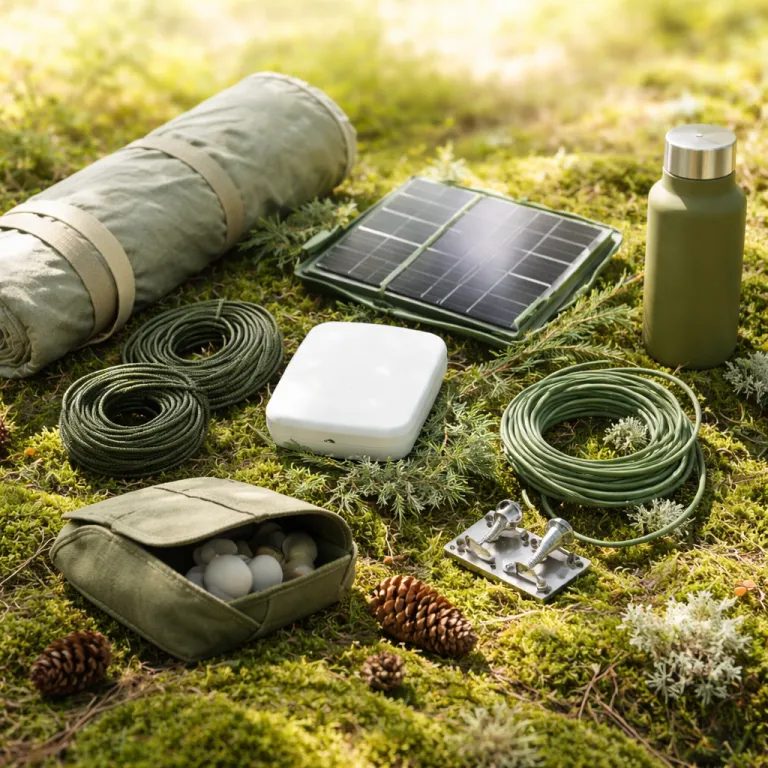
Start with connectivity, because every other work decision depends on it, and pack a high quality mobile hotspot that supports multiple devices, paired with a cellular booster if you expect marginal coverage along your road trip route. Many digital nomads also carry a compact travel router to create a secure private network from campground WiFi, which protects sensitive data when you log into corporate systems from a shared camping network. For power, combine the campground hook up or shared charging stations with a robust battery pack and, if space allows, a small eco friendly solar panel, so that you can work remotely for several hours away from your camp without anxiety.
On the comfort side, a lightweight portable monitor transforms a picnic table into a functional office, and a folding laptop stand helps maintain posture during long working sessions in nature. Noise cancelling headphones are essential in any digital nomad campground, because they allow you to stay focused even when people move around the park or when a nearby camp starts breakfast early. Finally, pack small details that support life balance, such as a headlamp for late returns from the quiet zone, a compact French press for dawn calls and a notebook for analog thinking, so that your work leisure rhythm feels intentional rather than improvised.
Choosing the right campground type and network for extended remote work stays
Not every campground aspires to be a digital nomad campground, and that clarity is helpful when you plan a long working stay. Large national networks and premium resort style parks near business hubs such as San Diego often lead on digital infrastructure, offering strong internet access, paved sites and dedicated work zones that appeal to remote workers who travel full time. Smaller independent campgrounds can be equally compelling for digital nomads, but you need to ask sharper questions about connectivity, quiet policies and the type of community they cultivate.
When evaluating options, start by mapping your work calendar against the character of each park, because a week of investor calls may sit more comfortably in a polished resort than in a rustic forest camp where campgrounds offer only basic WiFi near the office. For longer road trip itineraries, many digital nomads build a circuit that alternates between high service parks with strong work environments and more remote eco friendly campgrounds where they can unplug for a day once major deadlines pass. This pattern supports a sustainable work life balance, allowing you to work remotely with intensity for part of the time, then lean into the great outdoors without constant screen pressure.
Networks that explicitly market to digital nomads often provide extras such as co working lounges, communal kitchens and curated events that foster a genuine sense of community among people who are working on the road. If you value privacy over social contact, look for parks that emphasise space between sites, quiet hours and nature immersion rather than daily activities, because this will ensure your digital nomad campground feels like a calm base rather than a festival. Whatever your preference, treat each booking as a strategic choice in your broader work leisure strategy, not just another place to park for the night.
Power, ergonomics and eco friendly comfort at a luxury digital nomad campground
Once connectivity and quiet are secured, the final layer of a successful digital nomad campground stay is how you handle power, ergonomics and environmental impact. Luxury campgrounds increasingly recognise that executives expect more than a basic hook up, and they design shaded work decks, weather protected pavilions and landscaped seating areas that function as open air offices with a view of nature. These spaces allow digital nomads to move between their camp and shared areas, maintaining a healthy life balance while still meeting demanding work schedules.
For power planning, think beyond a single outlet at your camp and consider how you will charge devices during long working sessions away from your rig, especially if you prefer to work from a quiet zone or by the water. Guides that explore elegant ways to secure reliable campground power outline strategies that pair campground infrastructure with personal battery systems, which is particularly useful for remote workers who travel with multiple laptops, phones and monitors. Choosing eco friendly gear, such as efficient LED lighting and solar compatible power banks, also reduces generator noise in the park and supports a calmer work environment for the wider community.
Ergonomics matter just as much in a camp as in a city office, so pack a supportive chair, a laptop stand and perhaps a compact external keyboard to protect your posture during long working blocks. Many digital nomads underestimate how quickly a picnic bench can strain shoulders and wrists, especially when they work remotely full time rather than for a single afternoon. By treating your digital nomad campground as a serious yet serene workplace, you protect both your productivity and your long term health, turning the great outdoors into a sustainable extension of your professional life.
Key figures shaping the rise of the digital nomad campground
- KOA’s North American Camping & Outdoor Hospitality Report and similar association studies indicate that a substantial majority of surveyed campgrounds in the United States and Canada now provide some form of WiFi, yet quality and coverage still vary widely between basic lobby hotspots and park wide networks suitable for remote work.
- Global digital nomadism has increased significantly since the early remote work boom, with large scale surveys of independent workers such as the annual MBO Partners State of Independence in America report documenting rapid growth in people who combine travel with location flexible careers.
- Industry reports, including KOA’s research and the RV Industry Association’s trend summaries, consistently note that a sizeable share of campers plan to spend more nights on the road, enabled by flexible work arrangements, which directly fuels demand for digital nomad campground experiences that support both work and leisure.
- Campground owners and digital nomads now collaborate informally to refine quiet zone policies, and guidance such as "Verify WiFi availability before booking" and "Inquire about quiet zone policies" has become standard advice for executives planning working road trips.
- Ongoing infrastructure upgrades, from new routers to mesh networks, reflect a clear objective among premium parks to integrate technology with nature and attract remote workers who expect hotel level reliability in an outdoor setting.
FAQ about campground WiFi, quiet zones and digital nomad packing
Do all campgrounds offer WiFi suitable for remote work ?
Not all campgrounds offer WiFi that can support demanding remote work, and coverage often varies between the office area and individual sites. One verified guideline from national camping associations asks, "Do all campgrounds offer WiFi?" and answers, "No, availability varies; check with individual campgrounds." For a digital nomad campground stay, always ask about typical speeds at your specific pitch and whether the network remains stable at peak time.
How are quiet zones enforced in a digital nomad campground ?
Quiet zone enforcement depends on each campground, with some luxury parks posting clear signage, setting defined work time windows and actively reminding guests of expectations. A trusted reference on campground etiquette explains, "Are quiet zones enforced in campgrounds?" and answers, "Policies differ; inquire directly with the campground." Before you book a digital nomad campground, ask whether quiet areas are separated from family loops and how staff handle noise complaints during core working hours.
What should digital nomads pack to work comfortably from a campground ?
Remote workers should pack a reliable laptop, a robust portable power bank, noise cancelling headphones and at least one backup connectivity option such as a mobile hotspot. Expert guidance on digital nomad travel notes, "What should digital nomads pack for campgrounds?" and answers, "Essentials include a reliable laptop, portable power bank, and noise-canceling headphones." For a luxury digital nomad campground experience, add a portable monitor, ergonomic chair and eco friendly lighting to maintain both comfort and productivity.
Is a mobile hotspot better than campground WiFi for working road trips ?
A mobile hotspot offers control and security, which is valuable when campground WiFi is crowded or limited to common areas, but it depends on strong cellular coverage along your route. Campground WiFi can be excellent in premium parks that invest heavily in infrastructure, yet it should be treated as one layer in a broader connectivity plan. For most digital nomads, the best strategy is to combine both options, using campground networks when strong and falling back to a hotspot when work deadlines cannot wait.
Which campground types are best for executives who work remotely full time ?
Executives who work remotely full time tend to favour upscale resort style campgrounds near major business hubs, where internet access, quiet zones and amenities are designed with remote workers in mind. Some independent eco friendly parks also excel, especially when owners understand digital nomad needs and provide clear information about connectivity and work spaces. When choosing a digital nomad campground, prioritise properties that treat WiFi, quiet and ergonomic comfort as seriously as they treat scenery and recreation.