When a campsite costs more than a hotel room
Campground pricing trends have reached a point where many travelers pause. In several mature outdoor hospitality markets, a serviced RV site in a private campground now rivals or exceeds the nightly rate of a budget hotel room, forcing guests to ask what they are really paying for and whether the premium aligns with the essence of camping. That tension sits at the heart of the current pricing ceiling debate and shapes how luxury and premium booking platforms should curate their camp and park portfolios without turning every stay into a quasi-hotel experience.
The Outdoor Hospitality Pricing Report from Insider Perks analysed data from 2,110 private campgrounds and more than 600,000 individual price points across the contiguous United States, finding a nationwide median nightly RV site price of about sixty two dollars. Delaware now averages approximately one hundred and nine dollars per night for comparable RV sites while North Dakota sits near forty four dollars, which means the same camping season road trip can feel either indulgent or reassuringly low cost depending on the state line you cross. Those numbers are not abstract market trends; they translate directly into whether a family chooses a long term stay in a coastal park or a quick weekend camp in the Upper Midwest, and the report’s methodology note highlights that all figures are drawn from published rack rates rather than promotional discounts.
Dynamic pricing, borrowed from hotel revenue management, now underpins many campground pricing trends. Around a third of parks show a spread of more than two hundred dollars between low and peak season rates, so the step between a quiet midweek stay and a peak season holiday can feel brutal for price sensitive guests. In one popular coastal region, for example, a waterfront RV site might list at eighty nine dollars on a shoulder season Tuesday and climb above three hundred dollars over a holiday weekend, a price curve that would have been unthinkable a decade ago. For a luxury focused booking website, the process of curation must therefore weigh not only nightly revenue but also the guest experience of fairness, transparency and perceived value across the coming year.
At the top end of the market, some campground resorts now charge more than nearby limited service hotels. You might see polished property management systems, app based check in, strong Wi Fi and food trucks lined up beside the lake, yet the pitch itself remains exposed to weather, noise and the operational quirks of outdoor hospitality. The question for discerning guests is simple: at what point does a premium campsite become a hotel room with bugs, and does that align with why they chose camping in the first place.
For business leisure travelers extending a work trip, the calculus is even sharper. A median sixty two dollar RV site still represents roughly a fifty nine percent discount versus an average United States hotel room, based on national benchmark data for midscale properties in the same period, but that discount narrows quickly in high demand coastal regions and during peak season events. Luxury booking platforms must therefore surface key metrics such as occupancy rates, revenue occupancy patterns and future bookings forecasts so that guests can compare a premium campground stay with a city hotel on equal informational footing.
Smart campground features and the new price of nature
The most interesting campground pricing trends are not just about higher numbers; they are about what those numbers now buy. Smart campground features, from automated gate access to app controlled firewood deliveries, are reshaping both operational efficiency for campground owners and the guest experience for travelers who expect hotel grade digital convenience in the woods. The camping industry has quietly entered a phase where technology is as much a part of the landscape as the trees, and where the price of nature increasingly reflects the cost of connectivity.
On the revenue side, connected meters and sensors allow owners to track electricity usage, water consumption and even Wi Fi demand pitch by pitch. Those data streams feed directly into dynamic pricing engines that adjust rates by season, day of week and real time occupancy, turning what used to be a blunt seasonal tariff into a finely tuned market instrument. For guests, that can mean sharper price spikes during peak season but also genuinely low cost shoulder nights when revenue occupancy would otherwise sag, a pattern that becomes obvious when you chart nightly rates across a full calendar year.
Smart features also change how parks think about service. Digital concierges, integrated property management platforms and mobile ordering for food trucks reduce operational friction, which in theory should stabilise prices by lowering labour costs over the long term. In practice, many campground resorts reinvest those gains into higher end amenities, from co working cabins to spa style bathhouses, which then justify premium pricing in the eyes of some guests and alienate others who came for simple camping trends rather than resort culture or hotel style programming.
For travelers comparing options on a luxury booking website, the key step is to separate genuine value from tech for tech’s sake. A park that uses smart lighting to protect dark skies while guiding you safely back to your camp offers a clear guest experience upgrade that supports a higher rate. A park that installs a flashy app but still struggles with basic cleanliness or noise control is simply using technology to mask weak operational standards and does not deserve a price premium, no matter how sophisticated its booking engine appears.
Industry reports underline why this matters for accessibility. Insider Perks notes that “Increased demand, higher operating costs, and enhanced amenities contribute to rising prices.” When you combine that with the surge in participation highlighted in analyses such as the Open Road Era camping trends report, you see a market where demand, smart features and limited supply all push in the same direction: upward. The risk is a two tier culture where tech rich parks cater to affluent guests while younger or more budget conscious campers are priced out of the very landscapes that first defined outdoor hospitality.
Two tier camping culture and the Gen Z question
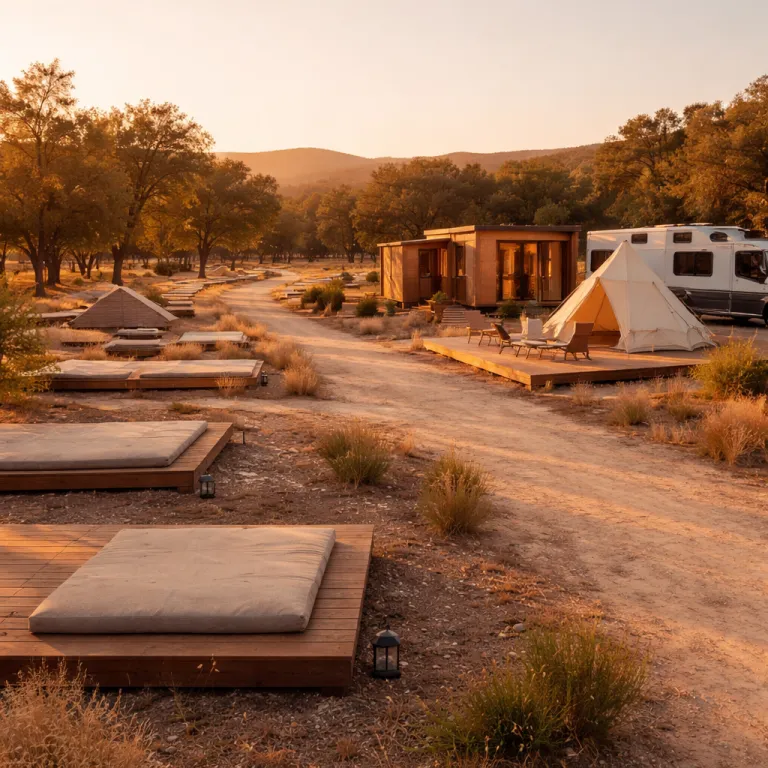
Walk through a premium coastal campground during peak season and you can feel the split. On one loop, late model motorhomes, private decks and curated food trucks create an atmosphere closer to a lifestyle resort than a traditional camp, while a few rows away smaller rigs and tents cluster on more modest pitches with fewer services. Campground pricing trends are hardening that divide into a structural feature of the market rather than a passing quirk of one busy year, and the contrast is especially visible in gateway destinations near national parks.
For Generation Z and younger millennials, who often approach camping as an accessible alternative to hotels, this shift is particularly stark. Research from operators and associations flags retention challenges among these guests, who are both highly price sensitive and deeply attuned to authenticity in the guest experience. When a night under canvas in a popular park costs almost as much as a city hotel, many simply choose the hotel, eroding the future bookings pipeline that campground owners rely on for long term stability and weakening the habit of returning to the same park year after year.
Luxury booking platforms sit at an interesting step in this process. By curating only the highest priced campground resorts, they risk reinforcing a narrative that camping is now a premium leisure product rather than a spectrum of options, from low cost forest sites to fully serviced glamping. A more responsible strategy is to present a range of properties, clearly labelled by price band, amenity level and market positioning, so that guests can decide whether they want a refined mountain escape or a simple park stay with a strong sense of place and a more traditional camping culture.
Take the contrast between a smart, design forward cabin cluster in the Appalachians and a classic lakeside RV park in the Upper Midwest. The former, similar in spirit to the properties featured in guides to elegant cabins for refined mountain escapes, may command higher nightly revenue because it blends hotel like comfort with direct access to trails and rivers. The latter might offer fewer amenities but deliver the kind of quiet mornings, open skies and memorable experiences that many guests still associate with the soul of camping, even if the bathhouse is basic and the Wi Fi signal fades at the shoreline.
For Gen Z travelers extending a work trip into a weekend, the decision often comes down to transparent data. As one repeat camper in her twenties explained, “I do not mind paying more if I can see why the rate is higher and what I am getting for it.” They want to see occupancy rates, clear seasonal pricing bands, honest trends reports and unfiltered guest reviews before committing. Platforms that surface these key metrics, rather than hiding behind glossy photography, will earn trust and help younger guests navigate a camping industry that sometimes seems determined to turn every park into a luxury resort.
Where genuine value still lives in the campground market
Despite headline grabbing campground pricing trends, genuine value has not vanished; it has simply become more unevenly distributed. The Insider Perks pricing analysis shows that while some coastal and gateway regions push nightly rates into triple digits, large swathes of the Upper Midwest and interior states still offer spacious sites at prices that feel aligned with the traditional camping promise. For travelers using premium booking platforms, the art lies in reading those market trends and aligning them with personal priorities rather than chasing the same crowded hotspots.
Start by thinking in seasons rather than dates. Many parks now operate with sharply tiered seasonal structures, where a single week’s difference can shift a rate from low cost shoulder pricing to peak season premiums, especially in destinations near national parks or major events. If your schedule is flexible, stepping just outside school holidays or regional festivals can unlock the same guest experience at a fraction of the revenue occupancy driven peak, a tactic that becomes even more powerful when combined with midweek arrivals.
Next, look beyond the obvious coastal hotspots. Inland lakes, river corridors and second tier mountain towns often host campground resorts with thoughtful property management, strong operational standards and fewer crowds, yet their occupancy rarely reaches the saturation levels that force aggressive dynamic pricing. In these markets, owners can maintain healthy revenue without pushing rates to hotel parity, which means guests enjoy both comfort and a sense of financial sanity while still accessing hiking trails, water access and local communities.
Finally, interrogate what is actually included in the nightly rate. A park that bundles fast Wi Fi, well maintained facilities, quiet hours enforcement and perhaps a rotating line up of local food trucks may justify a modest premium over a bare bones camp with patchy services and no attention to atmosphere. The step that matters is whether the price supports genuinely memorable experiences or simply pads the bottom line of an already busy park, a distinction that becomes clear when you compare itemised amenity lists and recent guest feedback.
For the coming year, expect more segmentation rather than a uniform rise. Some owners will double down on high yield strategies, chasing maximum revenue per site night with sophisticated data tools and granular trends reports, while others will position themselves deliberately as accessible refuges for guests who care more about stars than smart locks. A thoughtful luxury booking website should help you read that landscape clearly, so that whether you choose a refined cabin, a tech enabled RV resort or a simple forest clearing, the price you pay feels like a fair reflection of what camping is meant to be.
Key figures shaping modern campground pricing
- The nationwide median nightly RV site price sits at roughly 62 USD, based on the Outdoor Hospitality Pricing Report by Insider Perks, which analysed more than 600,000 individual price points across the contiguous United States.
- Delaware records the highest average nightly RV site rate at approximately 109 USD, while North Dakota averages around 44 USD per night, illustrating a more than twofold difference in cost for broadly similar camping products depending on the state.
- Roughly 30 percent of parks show a spread of at least 200 USD between their lowest and highest nightly rates across the year, a pattern driven by dynamic pricing and sharp distinctions between off peak and peak season demand.
- The median RV site rate of about 62 USD still represents an estimated 59 percent discount compared with the average United States hotel room, using contemporary national benchmarks for midscale hotel pricing, which explains why camping remains attractive for value focused travelers even as some premium parks approach hotel level pricing.
- The Insider Perks study drew on data from 2,110 private campgrounds and all 48 contiguous states, making it one of the most comprehensive trends reports available for guests, owners and investors tracking outdoor hospitality market trends.