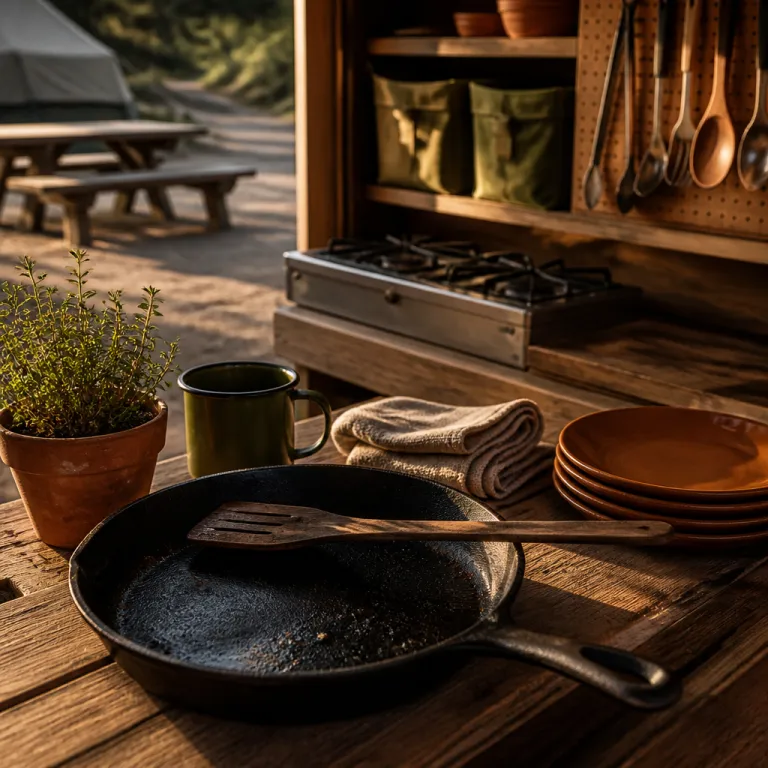
From fire pit to fully equipped communal kitchen
Luxury camping has quietly rewritten what a campground kitchen can be. Where a simple fire pit and picnic tables once defined the food experience, the new benchmark is a fully equipped communal kitchen that feels closer to a city loft than a backcountry base. This shift in campground food amenities and shared kitchen design is reshaping how couples choose a campsite for a romantic escape and how operators market premium outdoor stays.
On premium camp properties, the old model of every tent or RV fending for itself is giving way to shared facilities that make cooking and eating together effortless. A modern campground kitchen area will often include covered prep counters, running water, refrigeration, and clearly marked food storage zones that keep wildlife at bay. These shared facilities turn the campground into a social dining room, where a couple can grill local vegetables while a nearby group prepares seafood over a propane stove or induction cooktop.
Developers now treat food as a strategic amenity, not an afterthought at the edge of the camp. Pools, food service, and event spaces sit alongside the communal kitchen as top reasons guests book a specific campground site. For travelers used to hotel-style dining, the ability to contact campground staff in advance and understand exactly which cooking gear and camp kitchen tools are provided has become as important as knowing the queen-sized bed type or the porch view, a trend echoed in recent outdoor hospitality reports from 2022 and 2023.
Portable technology is accelerating this evolution at the campsite level. Manufacturers such as Rivian, VOZ, and HitchFire have each launched advanced camp kitchen systems that slide from vehicles and plug into the wider campground cooking infrastructure. Rivian’s R1T Camp Kitchen, for example, debuted as part of the electric truck’s Gear Tunnel system in 2021, with an induction cooktop, sink, and modular storage built into a single slide-out unit. HitchFire’s Forge series and VOZ’s modular setups follow a similar pattern, bringing integrated sinks, compact food storage, and efficient cooking gear to any permitted camping site and allowing couples to treat the great outdoors as an open-air dining room rather than a logistical challenge.
How communal kitchens create real community, not brochure promises
The most sophisticated campground kitchen is not just a set of stainless steel facilities. It is a social stage where strangers share recipes, compare cooking gear, and trade tips on the best hiking routes near the campsite. When designed well, a communal camp kitchen becomes the one place where the promise of community in the great outdoors actually feels authentic and lived-in rather than staged for marketing photos.
Thoughtful layouts separate quiet cooking zones from relaxed dining corners, so a couple can enjoy a late dinner while a group camping party finishes dessert nearby. Covered porches with picnic tables and a central fire pit encourage lingering after hours, turning simple cooking and eating moments into long conversations under the stars. Clear signage about what is permitted, from alcohol rules to food storage protocols, keeps the shared kitchen civil without feeling policed and gives first-time campers the confidence to join in.
Premium camp operators now understand that the communal kitchen is as critical as the spa or pool in shaping the stay. When guests can move from a yoga deck to a camp kitchen to a stargazing platform in a short walk, the entire campground feels like a cohesive retreat rather than a scattered set of sites. Articles such as the guide to campground common spaces on Campgroundstay.com show how shared kitchens, lounges, and fire circles work together to turn a basic camp into a destination, and operators interviewed there consistently rank the kitchen pavilion among their most-used amenities.
For couples used to hotel lounges, this shift offers a familiar rhythm with a wilder backdrop. You might start the evening at your own campsite, then wander to the communal kitchen to grill dinner alongside another family, before drifting to a group fire pit for a final drink. As one Colorado camper described it in a 2022 survey response, “We came for the mountain views, but we ended up staying late at the sink, swapping recipes with the couple next to us.” In this way, the shared cooking pavilion becomes the quiet connector between private tent time and the wider social life of the site.
What to look for when booking a food forward campsite
Choosing a premium campground now means reading the food section of the listing as carefully as the map. Before you reserve, scan for clear descriptions of the communal kitchen, from the number of propane stove burners to whether there is running water at the camp kitchen sinks. A serious property will spell out which cooking gear is supplied, which items you must bring, and how guests are expected to store food safely in lockers, bear boxes, or shared refrigerators.
For couples, the sweet spot is often a campsite that blends privacy with easy access to shared facilities. Look for tent or cabin sites with a queen-sized bed, a small porch, and a short walk to the main kitchen and dining pavilion, so you can slip between seclusion and sociability in minutes. If you plan group camping with friends, confirm that the site layout allows your group to cluster around a central fire pit while still reaching the communal kitchen without crossing busy roads or a golf course fairway.
Quick checklist for booking a food-focused campground
As you compare options, run through a short mental checklist: Are there photos of the communal kitchen and dining areas, not just the cabins? Does the listing specify running water, refrigeration, and dishwashing stations? Are quiet hours, alcohol rules, and food storage expectations clearly explained? Do recent guest reviews mention the camp kitchen positively, or flag crowding and maintenance issues? When these questions are answered up front, it is easier to match the campground’s food amenities to your own cooking style.
Fees matter as much as features when you compare campground options. Some properties roll campground fees and kitchen access into a single nightly rate, while others charge a separate fee for premium food facilities or late-night hours. When in doubt, contact campground managers directly and ask whether the camp store sells fresh ingredients, whether food storage lockers are included, and how they handle quiet hours around the dining areas.
Destination also shapes the culinary experience at the camp. A mountain retreat with cabins near Ellijay in Georgia, for example, might pair a polished communal kitchen with orchard visits and local wine tastings, as highlighted in premium rental guides on Campgroundstay.com. Coastal campgrounds may emphasize seafood-friendly grills and wind-protected porches, while desert sites focus on shade structures and water-efficient dishwashing stations that keep the shared cooking area comfortable in harsh light.
From portable camp kitchens to camp to table programs
The rise of portable camp kitchen systems has changed what couples expect from a weekend away. A camp kitchen is now defined as a portable setup for cooking outdoors, not just a picnic table and a single-burner stove. Manufacturers have responded with all-in-one units that slide from a vehicle hitch, unfold in seconds, and offer a compact but fully equipped base for serious cooking that complements, rather than replaces, the fixed campground kitchen.
Recent product launches from Rivian, VOZ, and HitchFire show how quickly this segment is maturing. Their designs integrate stoves, sinks, storage, and prep areas into sleek modules that complement the fixed campground cooking facilities rather than replace them. HitchFire’s Forge 15 grill, for instance, mounts to a standard hitch receiver and provides dual burners and a folding prep shelf, making it easy to cook at a trailhead or in a designated campsite. Guidance from these brands is refreshingly practical, reminding travelers to choose a kitchen that fits your vehicle, consider weight and setup time, and check for fuel compatibility before committing.
As portable gear improves, premium camp operators are moving beyond hardware into programming. Many now run camp-to-table evenings where guests harvest herbs from a small garden, attend a short cooking class in the communal kitchen, then share a long-table dining experience under string lights. Food trucks and local pop-ups often park near the main facilities, giving guests the option to skip content-heavy packing lists and simply order dinner after a long hike.
This blend of personal camp kitchen setups and shared infrastructure is quietly extending the camping season. Couples will often camp in the shoulder months if they know there is a warm, wind-protected communal kitchen with reliable running water, a stocked camp store, and thoughtful food storage systems. When the food is worth the trip, the campsite becomes less about survival and more about savoring the great outdoors in comfort.
Design details that separate ordinary campgrounds from destination stays
At the high end of outdoor hospitality, the difference lies in the details. A destination campground treats its food spaces with the same care a city hotel gives its lobby bar, from lighting to acoustics to the way guests flow between porch, kitchen, and fire pit. For couples, these small choices determine whether an evening feels like a chore or a quietly luxurious ritual that rivals a boutique hotel stay.
Start with circulation between the campsite and the communal kitchen. The best layouts keep a short walk between your tent or cabin and the main facilities, with clear paths, subtle lighting, and minimal vehicle traffic to maintain a sense of calm. When a campground threads these routes past views of a river, a meadow, or even a distant golf course, the journey to cook becomes part of the pleasure rather than a task.
Inside the communal kitchen, zoning is everything for both family trips and romantic stays. Look for separate areas for raw food prep, cooking, and dishwashing, along with labeled food storage shelves that keep each group organized without tension. When a property offers both indoor and covered outdoor cooking zones, guests can adapt to weather while still enjoying the great outdoors as a backdrop to their dining rituals.
Thoughtful operators also consider how long guests will realistically spend in these spaces. Comfortable seating, subtle music, and sheltered picnic tables invite lingering after hours, while clear guidelines on what is permitted keep noise in check for nearby sites. When campground fees support this level of design, the result is a food-focused experience that feels far from rustic yet still rooted in the simple pleasure of cooking and eating together under an open sky.
FAQ
What is a camp kitchen and how is it used at premium campgrounds ?
A camp kitchen is a portable setup for cooking outdoors, typically including a stove, prep surface, and storage. At premium campgrounds, guests often combine their own camp kitchen with a larger communal kitchen that offers running water, refrigeration, and shared cooking gear. This hybrid approach lets couples cook simple breakfasts at their campsite and then use the main facilities for more elaborate dining or social events.
Why are modern camp kitchens and communal kitchens becoming so popular ?
Modern camp kitchens are popular because they make outdoor cooking as efficient as a home kitchen. They offer convenience and efficiency by integrating stoves, sinks, storage, and prep areas into compact units that work well alongside campground food amenities such as shared pavilions and dishwashing stations. For many travelers, this removes the stress of managing food in the great outdoors and turns meals into a highlight of the trip rather than a chore.
Which features should couples prioritize in a campground communal kitchen ?
Couples should prioritize running water, reliable cooking equipment, and secure food storage in any communal kitchen. A well-designed space will also provide covered seating, good lighting, and clear rules about what is permitted, from quiet hours to shared cleaning duties. When these basics are in place, the campground kitchen becomes a comfortable extension of the campsite rather than a compromise.
How do campground food amenities affect total campground fees ?
Campground food amenities often influence pricing because they require investment in infrastructure and maintenance. Some properties include full access to the communal kitchen, camp store, and food storage facilities in a single nightly fee, while others charge extra for premium equipment or extended hours. It is always wise to contact campground staff in advance to understand exactly what is included before you book and to compare those details with nearby campgrounds.
Are portable camp kitchens still useful if a campground has a communal kitchen ?
Portable camp kitchens remain valuable even when a campground offers a strong communal kitchen. They allow you to prepare early breakfasts or late-night snacks at your own campsite without walking to the shared facilities, which is especially helpful in poor weather or during busy periods. Many travelers now treat their personal camp kitchen as a flexible base and use the communal kitchen for social cooking and larger group meals.