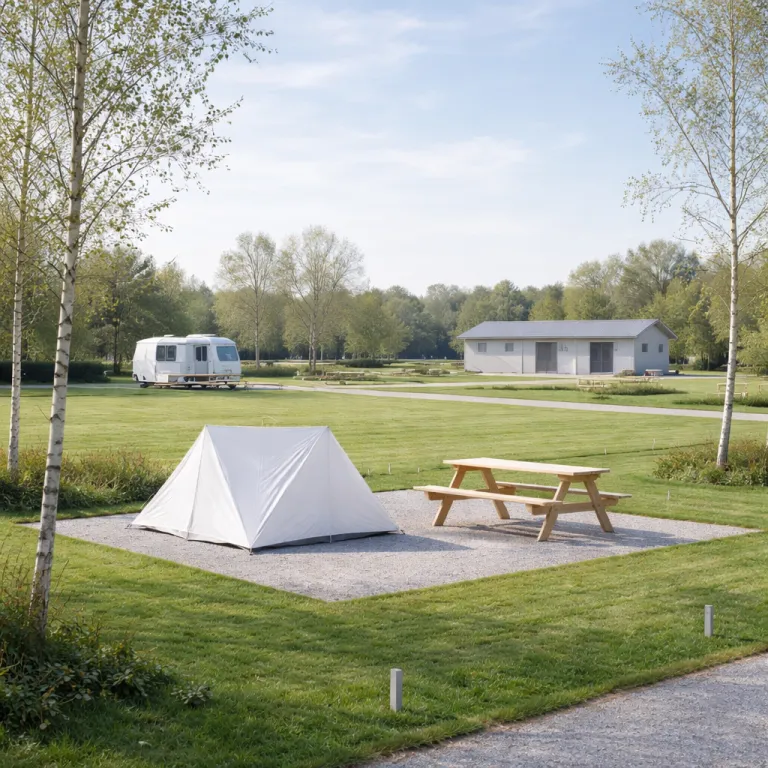
Why the best campground pitches matter more than the spa
The best campground pitches shape your entire trip before you even unroll a sleeping bag. A thoughtfully placed campsite in a national park or state park can feel more luxurious than any infinity pool, because the view, the quiet and the space around you become the real amenities. When you book through a premium platform, the difference between the best and the rest often comes down to a few metres of spacing, a few degrees of orientation and how well the pitch fits the surrounding landscape.
A remarkable pitch starts with breathing room between you and the next campsite, not a car park grid squeezed for revenue. Look for layouts where each pitch has its own micro landscape, perhaps a curve of river, a stand of alpine pines or a glimpse of mountains rather than a line of headlights. Luxury in this context is measured in feet of privacy, not thread count or the size of the hot springs complex nearby.
Orientation is the second quiet luxury that defines the best campground pitches. A site angled toward sunrise over a lake or sunset behind a canyon wall will stay in your stories long after you forget how modern the wash block felt. When a pitch is aligned with the prevailing wind, the crest trail of breeze carries smoke away from your tent at night and keeps condensation low by day, turning a basic campsite into something that feels deliberately crafted.
Professional campground designers and operators increasingly accept that site layout and terrain often outweigh built amenities in guest memory. A 2020 survey by the U.S. National Park Service, for example, found that campsite setting and privacy ranked ahead of showers and Wi‑Fi in overall satisfaction scores. Industry discussions and design guides emphasise experience driven planning, with careful circulation and pitch positioning, as the dominant development trend in high end parks. For a discerning solo explorer comparing national parks or state parks on a booking website, this means prioritising how a site is placed on the land over how many facilities appear in the amenity list.
Design anatomy of a memorable luxury pitch
On a premium booking website, the best campground pitches reveal their quality in the details of the map and photos. You want to see each campsite sitting on level ground, with enough distance to walk several feet before you cross an invisible boundary into the next guest’s space. When you evaluate a national park or state park map, trace how vehicles move, how people walk to facilities and how the pitches relate to the river, lake or forest edge.
Level ground is non negotiable for a luxury level stay, whether you are in a tent, a roof top setup or a small campervan. Uneven pitches turn a three day escape into a restless backpacking trip, because your body slides downhill every night and your gear never quite settles. Many campers also prefer shaded sites for comfort and temperature control, especially in exposed regions where a few well placed trees can make the difference between a pleasant afternoon and a sweltering one.
Shade, however, needs nuance when you are chasing the best campground pitches in glacier national landscapes or high sierra style elevations. Deep shade beside a river in a cool canyon can feel damp and cold, while dappled shade near alpine lakes or a gentle crest trail can balance warmth and shelter. Ask yourself whether the trees will block your night sky photo or frame it, and whether morning light will reach your tent quickly enough to dry condensation after a cold night.
Noise mapping is another design layer that separates a forgettable park from a refined one. Practical guidance shared by experienced travellers is consistent: avoid sites near high traffic areas and pitches directly beside amenities if you value quiet. These simple rules explain why the most coveted pitches in many national parks and state parks sit a short, scenic trail away from the amenity block rather than beside it, often 50 to 150 metres from the busiest paths.
For readers who want to go deeper into how to book five star campgrounds for a premium outdoor experience, specialist guides on curated platforms offer step by step frameworks. A well structured article on how to book 5 star campgrounds for a premium outdoor experience can help you translate design theory into practical filters and questions during the booking process. Combine that knowledge with your own priorities, and you will start to recognise the subtle patterns that define the best campground pitches across very different landscapes.
Reading maps, photos and virtual tours like an insider
Luxury and premium booking websites for campgrounds now give you more tools than ever to evaluate the best campground pitches before you commit. High resolution photo galleries, detailed site maps and 360 degree tours from partners such as CampgroundViews.com allow you to walk a national park or state park loop virtually. Used well, these tools reveal whether a park celebrates its terrain or simply fills every available metre with gravel and hook ups.
Start with the satellite view and zoom in on the campsite layout, looking for organic curves that follow the river or lake shore rather than rigid rows. If you see pitches stacked tightly along a single access road, with little natural screening, you are probably looking at a density first design that prioritises revenue over experience. In contrast, the best campground pitches often sit on small spurs or loops, with vegetation, boulders or subtle elevation changes creating privacy between neighbours.
Next, study the photos for each individual campsite, not just the hero images of the mountains or the hot springs complex. You want to see where your tent or small cabin will actually sit in relation to the trail, the fire ring and any nearby road. A good luxury focused listing will show both day and night photos, so you can judge how much ambient light spills from the park and whether the Milky Way will be your ceiling.
Virtual tours are particularly valuable in complex terrain such as the north cascades region, the high sierra or the wind river ranges. A 360 degree view lets you gauge how many feet separate you from the river bank, how steep the access path feels and whether a nearby crest trail passes directly behind your pitch. When you can see that your site sits, for example, 20 to 30 metres from the main loop road and slightly above the waterline, it becomes easier to imagine how the campsite will feel at night.
As you refine your eye, you will also learn to spot red flags that a glossy listing might gloss over. Look for long lines of parked vehicles visible in every direction, or a lack of trees and boulders that would normally break up a natural landscape in national parks or state parks. When in doubt, cross reference with independent reviews and curated editorial guides such as the elegant guide to a river plantation style campground in the Smoky Mountains, which show how a thoughtfully spaced riverside loop can feel genuinely premium.
Iconic landscapes, specific pitches: where design meets terrain
Some of the best campground pitches in the world sit inside national parks and state parks where the terrain does most of the design work. Think of a small riverside loop in a cascades national setting, where each campsite has its own bend of water and a framed view of snow capped mountains. In these places, the role of the luxury focused operator is to place pitches lightly, respecting the river, the trees and the stories written into the land.
In glacier national style environments or near glacier bay national style coasts, the most memorable pitches often sit a safe number of feet above the waterline. Elevated sites give you sweeping views of the bay national horizon or the glacier carved valley, while keeping you away from damp ground and unexpected tides. A similar principle applies along dramatic coasts such as big sur, where the best campground pitches are usually set back from the cliff edge, with low vegetation and careful orientation protecting you from wind.
Mountain regions such as the high sierra, the north cascades and the wind river ranges reward those who read topographic lines as carefully as amenity lists. A pitch a short mile hike up a gentle trail from the main park road can feel like a private alpine lakes amphitheatre, with rock climbing crags and day hike routes starting from your fire ring. In these settings, a premium booking website should clearly flag which pitches require a short backpacking style approach and which are drive in, so you can match your backpacking trip ambitions to your comfort level.
Rivers deserve special attention, because they can make or break a luxury camping story. A pitch on the inside of a river bend, perhaps along a north fork style channel, often has calmer water, softer light and more stable ground than the outer bank. When you combine that with a respectful distance from the main trail and a clear view upstream for safety, you get the kind of site that feels both wild and reassuring at night.
Thermal areas and hot springs add another layer of complexity and pleasure. A well designed park near natural hot springs will resist the temptation to crowd every metre around the pools with pitches, instead spacing sites so that steam, noise and late night chatter do not dominate the entire campsite. The best campground pitches in these environments sit far enough away that you can enjoy a quiet night under the stars, then walk a scenic mile along a marked trail for a morning soak.
Luxury trade offs: density, revenue and the solo explorer
As demand for premium outdoor stays grows, many operators face a clear tension between maximising pitch numbers and preserving the best campground pitches. Every extra campsite squeezed into a park map promises more revenue per night, but it also risks eroding the sense of space that defines a luxury level experience. For a solo explorer who values quiet, the distance between tents can matter more than the number of food trucks or saunas on site.
Experience driven design trends in campground development emphasise walkability, coherent circulation and a strong sense of place. When you walk a thoughtfully planned loop in a national park or state park, you notice how the trail to the river or lake never feels crowded, even at peak times. That is usually because the designer has resisted the urge to fill every flat patch with gravel, instead leaving view corridors, buffer zones and small pockets of wild ground between pitches.
On a luxury and premium booking website, you can often sense the underlying philosophy by how transparently a property presents its layout. Parks that proudly share detailed maps, pitch measurements in metres and honest photos of spacing usually care about guest experience. In contrast, when a listing leans heavily on generic mountains imagery, rock climbing stock photos or vague references to nearby national parks and state parks without showing the actual campsite, you should question whether density has taken priority.
For solo travellers, the trade off sometimes means choosing a slightly longer walk to amenities in exchange for a quieter pitch. A site at the far end of a loop, perhaps near a small crest trail or beside a quieter north fork of the river, will usually have less foot traffic by day and fewer car doors at night. In practical terms, that might mean choosing a pitch that is a five to ten minute walk from the wash block instead of one that sits directly opposite the entrance.
When you evaluate options for a three day escape or a longer backpacking trip, think in terms of your own tolerance for proximity. Some guests enjoy the social energy of closely spaced sites, while others want the contemplative feel of a semi wild setting within a managed park. Luxury, in this context, is the ability to choose the spacing, orientation and terrain that match your personal story, not just the highest price point on the booking grid.
Practical booking tactics for securing the best pitches
Securing the best campground pitches on a luxury or premium platform requires the same level of intent you might apply to booking a high end city hotel. Start by filtering for parks within national parks or state parks that highlight low density layouts, river or lake frontage and specific pitch descriptions. Then move beyond the headline claims and study the individual campsite listings, maps and guest photos with a critical eye.
When a listing mentions proximity to iconic trails, such as a crest trail style ridge walk or a classic mile hike to alpine lakes, check how far your pitch actually sits from the trailhead. Being a short walk from a day hike route can feel indulgent, because you can roll out of your tent and be on the trail within minutes. However, being directly beside a busy junction can turn your night into a procession of headlamps and conversation.
For travellers planning a backpacking trip that uses a drive in park as a base, pay attention to storage, parking and early or late check in policies. A well run campsite near regions like the high sierra, the north cascades or the wind river ranges will often offer secure parking and flexible timing, so you can finish a multi mile hike and return to a comfortable pitch without stress. Look for mentions of quiet hours, dark sky policies and limits on generator use, which all contribute to a more refined night experience.
Use tools such as CampgroundViews.com to preview your shortlisted pitches, then cross reference with independent editorial reviews and guest comments. Many travellers now share precise details about how many feet separated their tent from the river, how loud the park felt at night and whether the promised hot springs or rock climbing access matched reality. Combining these first hand stories with the structured information on a premium booking website gives you a robust picture of which pitches truly rank among the best campground pitches.
Finally, remember that the most memorable luxury stays often come from aligning your expectations with the landscape rather than fighting it. A slightly more exposed pitch in a glacier bay national style setting might reward you with extraordinary sunrise light for photography, while a sheltered site deep in a canyon offers calm, reflective days beside the river. Choose the campsite that supports the story you want this trip to tell, and let the park’s natural design do the rest.
FAQ
How can I assess a campsite before I arrive ?
Use a combination of virtual tours, detailed maps and guest reviews to evaluate a campsite before arrival. Platforms such as CampgroundViews.com allow you to walk loops virtually and judge spacing, shade and proximity to high traffic areas. Cross checking these visuals with written feedback helps you identify the best campground pitches for your style of trip.
What features define a high quality luxury campground pitch ?
A high quality luxury pitch offers level ground, thoughtful orientation and meaningful space from neighbours. You should be able to enjoy views of the river, lake or mountains without staring into another tent, and reach amenities via a pleasant trail rather than a busy road. Shade, noise levels and night sky darkness all contribute to the overall sense of comfort.
Why should I avoid pitches close to amenities and main roads ?
Pitches near amenities and main roads tend to experience more noise, headlights and foot traffic. While the walk is shorter, the constant movement can erode the calm that many travellers seek in national parks and state parks. Choosing a site slightly further away usually delivers a more peaceful night and a stronger feeling of privacy.
Are premium campground pitches only found inside national parks ?
Premium pitches exist both inside national parks and in well designed private parks near iconic landscapes. Many state parks and independent campgrounds offer exceptional sites along rivers, lakes or forest edges, with careful spacing and orientation. The key is to focus on layout and terrain rather than assuming that a famous address guarantees the best campground pitches.
How early should I book to secure the best campground pitches ?
For popular regions such as big sur style coasts, alpine lakes areas or glacier influenced valleys, booking several months ahead is often necessary. The most desirable pitches, especially riverside or view sites, are usually reserved first by repeat guests. Planning early gives you access to detailed pitch choices rather than accepting whatever remains close to your travel dates.