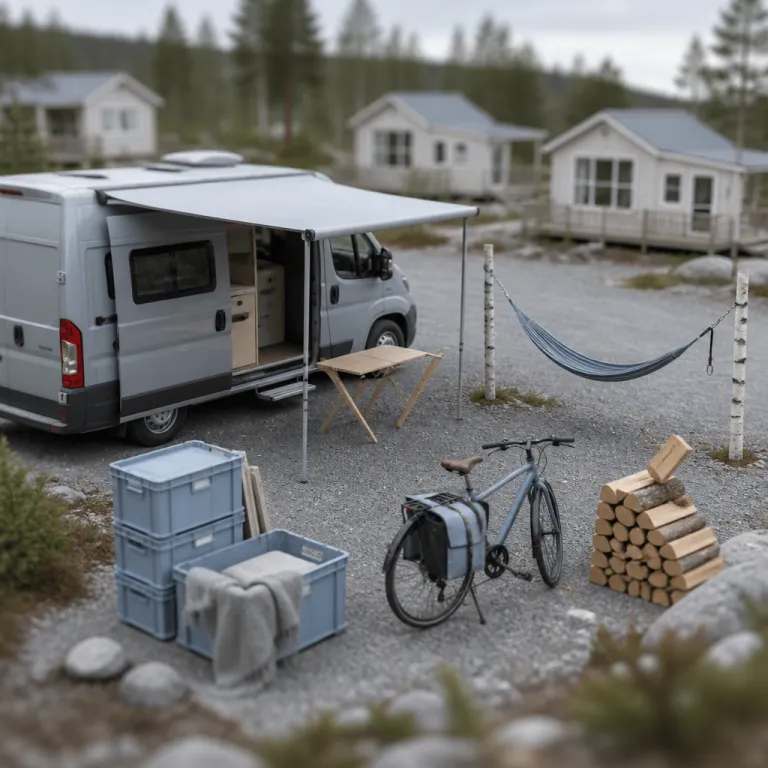
From overnight stop to long stay campground seasonal living
Luxury travelers are quietly trading quick hotel nights for a refined long stay campground seasonal living rhythm. As remote work stretches the classic business trip into an extended stay, the most forward thinking campground and resort owners now design every site as a place where you can actually unpack your life. This shift turns term camping from a transient pause into a fully fledged seasonal camping lifestyle, with the same attention to service you expect from an urban five star address.
At the premium end of the market, a long term stay in a curated campground or coastal park now comes with concierge style amenities, from fiber grade Wi Fi to laundry pick up and grocery delivery. These elevated campgrounds offer seasonal sites that feel more like private outdoor suites, with landscaped pads, full hookups for water sewer and power, and screened decks that blur the line between tent sites, RV pads, and open air lounges. For business leisure travelers, the appeal lies in having a single seasonal site that works as both office and retreat, where the commute is a short walk past the dog park and the morning meeting happens under pines instead of down a corridor.
Luxury booking platforms have followed this trend, building filters around extended stays, monthly rates, and annual site options rather than only nightly prices. When you search for long term term stays now, you will often see campgrounds and parks highlighting their year round infrastructure, from heated bathhouses to co working cabins and quiet zones for video calls. The language has changed too ; guests are no longer just campers, but seasonal residents whose camping experience is measured in months, not weekends, and whose expectations for service, privacy, and design match any high end resort stay.
Exclusive seasonal sites where executives actually want to linger
For executives extending a conference or client visit, the right long stay campground seasonal living setting can rival a city suite, provided the campground is chosen with the same care. Look for exclusive seasonal sites in destination parks where the surrounding landscape already attracts discerning travelers, such as wine country valleys, coastal dunes, or lakeside peninsulas within an hour of a major airport. In these places, the campground or resort usually treats each seasonal site as a long term address, with manicured privacy hedges, curated fire pits, and parking that accommodates both a golf cart and a sleek rental car.
In the United States, several elevated campgrounds near cultural venues now court business leisure guests who might once have booked only hotels. Around regional fairgrounds and event centers, for example, you can find refined extended stay parks with monthly sites that pair quiet tent sites and premium RV pads, all within a short drive of meetings and exhibitions. When researching elegant stays near major venues, such as the elevated fair experiences highlighted in this curated guide to upscale campgrounds near fairgrounds, pay attention to how the property describes its seasonal camping offer, its pet friendly policies, and whether it supports true year round living or only a single peak season.
High end seasonal campgrounds that understand this audience usually provide a camp store stocked less like a souvenir shop and more like a compact gourmet market. You will see fresh produce, decent coffee, and ready to heat meals that make a late return from a client dinner effortless, alongside practical items for campers who treat the park as a second place to live. The best parks also separate short term camping from extended stays, so that long term guests enjoy a quieter loop, consistent neighbors, and a community feel that still respects privacy and the need to log into a board call at dawn.
How longer stays are reshaping campground design and amenities
Once a campground commits to long stay campground seasonal living, the physical layout changes in ways that are immediately visible when you arrive. Seasonal sites tend to be wider, with room for outdoor kitchens, storage boxes, and sometimes a small deck, while monthly sites are often grouped to create micro neighborhoods that feel stable rather than transient. This design supports extended stays by giving each seasonal site enough breathing space for both work and leisure, so that a laptop on the picnic table does not collide with a neighbor’s evening barbecue.
Infrastructure is where the difference between overnight campgrounds and long term parks becomes most obvious. Properties that embrace term camping as a lifestyle invest in robust water sewer systems, reliable power for full hookups, and laundry facilities that resemble a small hotel back of house rather than a token washer in a shed. Many of the most ambitious resort style campgrounds now add co working lounges, private call booths, and even small meeting rooms, a trend tracked by platforms such as Park-Explore.com as a gateway to luxury campground stays, which highlights how curated parks offer both nature and functional workspaces.
Service layers deepen too, because extended stay guests behave more like residents than tourists. A well run park will manage mail and parcel delivery, maintain a dog park with the same rigor as a hotel gym, and schedule quiet hours that respect people taking calls across time zones. As midweek camping rises and term stays stretch into season long residencies, the best campgrounds offer flexible cleaning services, on site maintenance for RVs, and even golf cart rentals for moving between amenity hubs, all of which turn the camping experience into a polished, repeatable routine rather than a one off adventure.
Pricing, policy, and the moment a camper becomes a resident
Long stay campground seasonal living also forces owners to rethink pricing models and guest policies, which directly affects how you should evaluate offers on a premium booking website. Instead of only nightly tariffs, serious extended stay parks publish clear weekly, monthly, and annual site rates, often with tiered pricing for different site types and seasons. When you compare options, look beyond the headline monthly figure and ask which amenities are bundled, from full hookups and water sewer charges to Wi Fi, parking for a golf cart, and access to facilities such as the dog park or pool.
Policy is where the line between camper and resident starts to blur, and where you should read the fine print before committing to long term term camping. Some campgrounds cap extended stays at a set number of nights per season, while others allow true year round occupancy but require background checks, references, or a formal lease style agreement. These rules shape the community dynamic ; a park that encourages seasonal camping with defined term stays often feels more like a club of returning guests, whereas a property with many permanent residents may feel closer to a residential park than a leisure resort.
For business leisure travelers, the sweet spot usually lies in campgrounds that welcome extended stays without locking you into rigid contracts, allowing a stay to stretch from a week to a month as projects evolve. Transparent cancellation terms, clear pet friendly rules, and thoughtful quiet hour policies all signal a management style that respects both work and rest. When a campground treats your pitch as a second place to live rather than a transient site, you gain the psychological comfort of home while still waking to birdsong instead of traffic.
Choosing the right long stay campground for a refined outdoor life
Selecting a property for long stay campground seasonal living starts with clarifying how you plan to use the space. If your stay is anchored by remote work, prioritize campgrounds and resort style parks that advertise reliable connectivity, quiet loops, and co working friendly amenities over purely recreational features. When leisure dominates, focus on parks with strong trail networks, water access, and curated social programming that makes extended stays feel like joining a small, well run village.
On a premium booking platform, filter for seasonal sites, monthly sites, and extended stay options, then read each description as closely as you would a hotel review. Look for signals that the campground understands long term guests, such as references to year round operations, a well stocked camp store, and thoughtful zoning between short term camping and longer term camping experience areas. Properties that highlight pet friendly policies, maintained dog park facilities, and flexible term stays usually attract a stable community of campers who treat the park as a second place home, which in turn supports better services and a calmer atmosphere.
Do not overlook the value of private space and small luxuries when you plan to stay for a full season or more. Some high end parks now pair seasonal camping with access to cabins or suites that feature hot tubs and elevated finishes, as seen in curated collections of elegant cabins with private hot tubs for a refined wilderness escape. Combining a long term site with occasional upgrades to these units can keep extended stays feeling fresh, while still anchoring your life in one well chosen campground where the staff know your name and your preferred view.
FAQ
What is considered a long stay at a campground ?
In most premium campgrounds, a long stay means any booking that extends beyond the typical weekend or single week vacation pattern. Many parks define extended stays as reservations of a month or more, while seasonal camping usually refers to occupying the same site for an entire operating season. Some properties also offer annual site agreements, which allow guests to keep their unit on a specific site year round, subject to local regulations.
How do monthly and seasonal rates compare to nightly prices ?
Monthly and seasonal rates are generally structured to be more economical than paying the nightly rate for the same duration. A campground might charge a higher nightly fee for short term camping but significantly reduce the effective nightly cost when you book a monthly site or a full season package. When comparing, always factor in which amenities are included, such as utilities, Wi Fi, and access to facilities, because these can materially change the overall value of a long stay.
What amenities matter most for long term and extended stay camping ?
For long term guests, reliable infrastructure and everyday conveniences matter more than one off attractions. Essential amenities include full hookups with stable water sewer connections, quality laundry facilities, strong internet, and a well stocked camp store for basics. Many travelers also prioritize a maintained dog park, quiet hours that support remote work, and communal spaces that encourage a respectful, village like atmosphere during extended stays.
Are pet friendly long stay campgrounds harder to find ?
Pet friendly policies are increasingly common at long stay and seasonal campgrounds, but the quality of facilities varies widely. High end parks often provide fenced dog park areas, walking trails, and clear etiquette guidelines to keep both pets and neighbors comfortable. When booking, review the pet policy carefully, including any breed restrictions, fees, and rules about leaving animals unattended, to ensure it aligns with your travel style.
How can I tell if a campground will feel more like a community or a transient stop ?
The mix of site types and length of permitted stays usually shapes the overall atmosphere. Parks that emphasize seasonal sites, monthly sites, and annual site options tend to foster a more stable community, with familiar faces and recurring events. In contrast, campgrounds focused on short term camping and quick turnover often feel busier and less predictable, which may suit brief visits but not those seeking a calm second place to live.