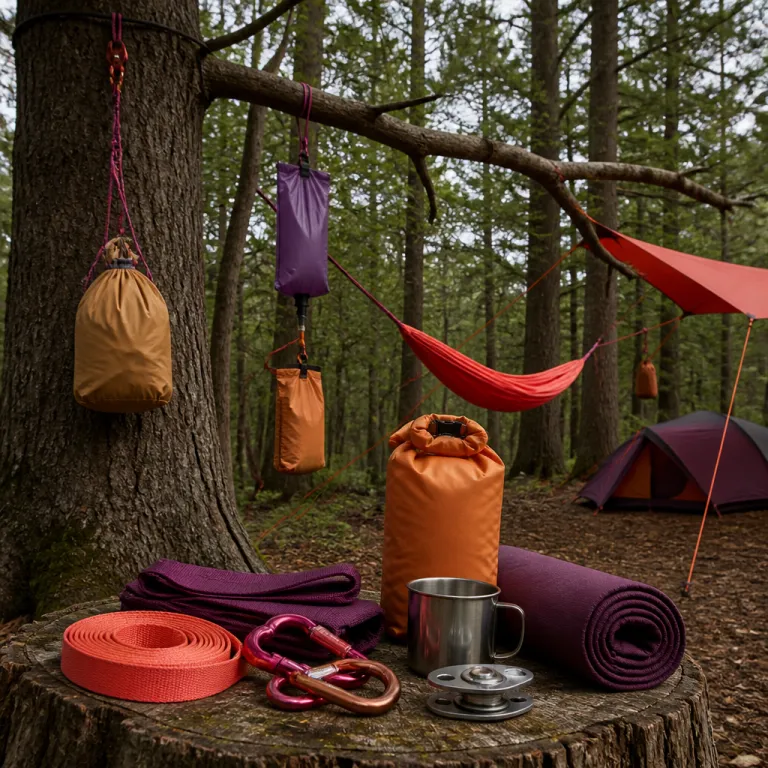
The canopy that shapes your stay
Luxury in the outdoors often starts with an old growth campground where mature trees create a deep shade canopy over every pitch. Under that living ceiling, the air feels cooler, the light softens, and the entire forest seems to slow your breathing while the practical benefits quietly stack up. When you choose these campgrounds over newer clearings, you are choosing a stay designed by centuries of growth rather than a recent landscaping plan.
In a genuinely mature forest, the tree roots have already done the engineering work that no budget can rush. They stabilise the soil, improve drainage, and make the ground feel firm underfoot even after long nights of rain that would turn younger camping areas into rutted tracks. That is why experienced travellers searching for an old growth campground with mature trees and a reliable shade canopy often report that their tent platforms stay level, their gear stays cleaner, and their sleep stays uninterrupted.
The canopy effect also transforms sound and privacy in ways most guests only notice subconsciously. Tall trees and dense growth forests break up wind, absorb road noise, and create natural acoustic pockets between neighbouring sites that no timber fence can match. In these parks and forests, the difference between a rushed development and a centuries forest that has been allowed to stand long and settle is the difference between hearing every car door and hearing only the creek and the distant river.
Design and ambiance in mature tree campgrounds
Design focused travellers often assume that ambiance comes from lighting schemes and curated amenities, yet in an old growth campground the mature trees and shade canopy do most of the visual work. The best luxury oriented parks campgrounds understand this and place their premium sites where the forest already frames the view, rather than clearing new pads and planting saplings that will need decades to catch up. You see it clearly at places like Target Tree Campground in San Juan National Forest and Big Trees Campground in Inyo National Forest, where the layout follows the land instead of fighting it.
In these national and state settings, the trail network usually grew around the trees as well, which means the trail main routes feel intuitive and sheltered. A short walk from your camping pitch might take you along a creek under redwoods or through mixed conifer forests where every tree trunk tells a different story of growth and survival. That is a very different experience from marching along a straight gravel road cut recently through a bare area with young plantings still struggling for shade and water.
Luxury booking platforms that specialise in this style of campground now highlight canopy coverage and landscape maturity alongside Wi Fi and hot showers. When you read an elegant guide to a river focused property, such as a detailed review of a Smoky Mountains river campground, you will often notice how much attention goes to the way trees shape each site and how the river, the forest, and the trail system interact. The most sought after sites are rarely the ones closest to the amenity block ; they are the ones where the river is the alarm clock, the trees are the privacy screens, and the mountains form a quiet backdrop.
The canopy effect: shade, shelter, and privacy
Spend a summer afternoon in a young park campground with sparse trees, then move to an old growth campground with a mature shade canopy, and the contrast is immediate. Under a dense canopy, temperatures can feel several degrees lower, and the filtered light protects both skin and gear from the long hours of direct sun that bleach fabrics and overheat vehicles. For solo travellers who work remotely from their camping setups, that natural climate control can be the difference between a usable outdoor workspace and a retreat into the car.
Wind behaves differently under mature trees as well, because the layered branches and varied tree heights break gusts into softer movements. That means fewer snapped tent poles, less flapping canvas, and a calmer sleep even when a weather front pushes across the mountains or up a river valley. In growth forests that have been allowed to stand long, the combination of trunk spacing, understory shrubs, and fallen logs creates a three dimensional buffer that no row of new plantings can replicate quickly.
Privacy is where the canopy and understory truly outperform built solutions. Instead of a straight fence between sites, you get staggered trees, pockets of ferns, and the occasional tailed deer stepping through the shadows at dawn, reminding you that you are in their centuries forest rather than a car park with fire pits. It is why many seasoned campers say that the Fourth of July works better from a campsite than a backyard, especially when fireworks echo softly through trees instead of bouncing off walls and asphalt.
Roots, ground quality, and the feel underfoot
Landscape maturity shows itself most clearly in the ground beneath your boots and tyres. In an old growth campground, the root systems of large trees have been knitting the soil together for generations, creating a surface that drains quickly yet feels stable enough for both tents and heavier vehicles. You notice it when a night of rain leaves only a few shallow puddles near the creek or river, while the main camping area remains firm and easy to walk.
By contrast, newly cleared sites often sit on compacted fill that sheds water into ruts along the road and across pitches. That can turn a promising weekend into a long exercise in avoiding mud, especially in low lying areas without established forests to absorb the runoff. Mature growth forests act as natural infrastructure, slowing water, filtering it through leaf litter, and feeding it gently into nearby watercourses instead of dumping it all at once.
For travellers booking through premium platforms, this ground quality matters as much as any amenity list. A stable pitch means your table does not wobble, your chair legs do not sink, and your sleep system stays level even on longer stays. It is one reason why properties like Calaveras Big Trees State Park and Singletree Campground in Fishlake National Forest attract repeat guests who value the way their bodies feel after several nights on well settled earth rather than on recently graded gravel.
Hidden gem locations where trees lead the design
Some of the most rewarding stays in the United States sit quietly in national forests and state parks where the trees, not the architects, dictate the layout. Target Tree Campground, tucked into San Juan National Forest in Colorado, is a textbook example of an old growth campground where mature trees and a generous shade canopy define every decision about road placement and site orientation. Here, the forest opens just enough around each campsite to frame views of nearby mountains while still keeping a sense of enclosure and calm.
On the other side of the Rockies, Big Trees Campground in Inyo National Forest uses its namesake trees as both landmarks and natural privacy screens. The trail main routes weave between trunks, leading towards water sources and viewpoints rather than following a rigid grid, and the result feels more like moving through a centuries forest than through a designed resort. Calaveras Big Trees State Park in California takes this further, with camping areas set back from the busiest road sections so that the soundscape is dominated by wind in the redwoods and the occasional creek rather than engines.
Not every hidden gem sits on the ground, of course. Cannaley Treehouse Village in Oak Openings, Ohio, shows how treehouse camping can still respect growth forests by suspending structures among existing trees instead of clearing them. Luxury booking platforms that curate these properties now highlight them as case studies in letting forests lead, and they often reference broader investments in park infrastructure, such as major funding bills for broken trails and crumbling bathrooms that aim to support parks campgrounds without sacrificing the mature landscapes that make them special.
How to choose and book a mature canopy campground
Finding an old growth campground with a genuinely mature shade canopy requires reading between the lines of most booking platforms. Look for language that emphasises long established forests, large diameter trees, and sites tucked into existing groves rather than open meadows with new plantings. When a property mentions proximity to a national forest, a state park, or specific redwoods and river corridors, that is often a clue that you are dealing with a landscape that has been allowed to stand long.
Maps and satellite imagery help you verify those claims before you commit. Dense tree cover over the camping area, winding internal road layouts, and trails that follow natural contours towards water sources all suggest a mature design shaped by the forest rather than imposed on it. You can then cross reference those impressions with reviews that mention cool shade, quiet nights, and wildlife such as tailed deer moving comfortably through the area, which usually indicates that growth forests remain healthy and continuous.
When you are ready to book, use luxury and premium focused platforms that treat canopy coverage and landscape maturity as core filters, not afterthoughts. Many now include dedicated sections for treehouse campgrounds, and they answer common questions clearly, such as “What are treehouse campgrounds ?”, “Are treehouse campgrounds safe ?”, “Do treehouse campgrounds have amenities ?”, “How to book a treehouse campground ?”, and “Are treehouse campgrounds suitable for families ?”. Reservations can be made online or by phone, but the most satisfying stays come when you match those practical details with a careful reading of how the trees, the trails, and the water will shape your time on site.
Key figures behind tree led campgrounds
- There are around 15 000 campgrounds across the United States, according to the National Park Service, which means only a fraction offer the kind of old growth campground experience with mature trees and a deep shade canopy that discerning travellers now seek.
- Outdoor Industry Association data indicates that approximately 40 million visitors use United States campgrounds each year, a scale of demand that increases pressure on younger parks while making mature forests and well designed sites feel even more exclusive.
- National Forest Service and State Parks partnerships have supported the development of treehouse camping options, such as Cannaley Treehouse Village, showing how innovation can coexist with growth forests when design respects existing trees.
- Interest in eco tourism and sustainable camping has risen steadily over the past decade, pushing luxury booking platforms to highlight national and state properties where forests, rivers, and mountains remain central to the guest experience rather than background scenery.
- Tree focused campgrounds report higher guest satisfaction scores when sites are near natural water features like a creek or river and when trails connect directly from camping areas into surrounding forests without requiring a drive along internal roads.
Frequently asked questions about mature canopy campgrounds
What defines an old growth campground for luxury minded travellers ?
For travellers booking through premium platforms, an old growth campground is one where mature trees, established forests, and a continuous shade canopy shape the layout of roads, sites, and trails. These places usually sit within or beside national forests or state parks, and they rely on existing growth forests rather than recent plantings to provide shade, privacy, and ambiance. The result is a camping experience that feels settled, cool, and acoustically calm, even when the campground is busy.
How do I know if a campground really has mature trees and a strong canopy ?
Look for detailed descriptions that mention large trees, long established forests, and shaded sites rather than open fields. Satellite imagery can confirm whether the camping area sits under dense tree cover or in a cleared area with scattered saplings. Reviews that highlight cool afternoons, quiet nights, and wildlife such as tailed deer moving through the sites are strong indicators that the canopy and understory are both healthy and extensive.
Are treehouse campgrounds considered luxury stays ?
Treehouse campgrounds can absolutely qualify as luxury stays when they combine thoughtful design, safety, and mature forest settings. Many are built in partnership with National Forest Services, State Parks, or private landowners who prioritise growth forests and minimal impact on existing trees. Amenities vary, so high end booking platforms usually specify whether a treehouse offers running water, heating, and private decks overlooking a creek, river, or forest canopy.
Why do experienced campers prefer older parks and forests over new developments ?
Experienced campers often prefer older parks and forests because the landscape feels more stable, shaded, and acoustically gentle. In a centuries forest that has been allowed to stand long, the ground drains better, the trees provide natural privacy between sites, and the trail system usually follows intuitive routes towards water and viewpoints. Newer developments may offer modern facilities, but they rarely match the sense of being held by the land that comes from camping under a mature shade canopy.
How far in advance should I book a mature canopy campground ?
Because demand for old growth campground experiences is rising, it is wise to check availability several months ahead, especially for national and state parks near rivers or mountains. Popular sites with strong shade canopy coverage and direct trail access often sell out quickly during peak seasons and holiday weekends. Booking early through reputable platforms also gives you time to choose specific sites that balance proximity to water, distance from the main road, and the level of forest enclosure you prefer.