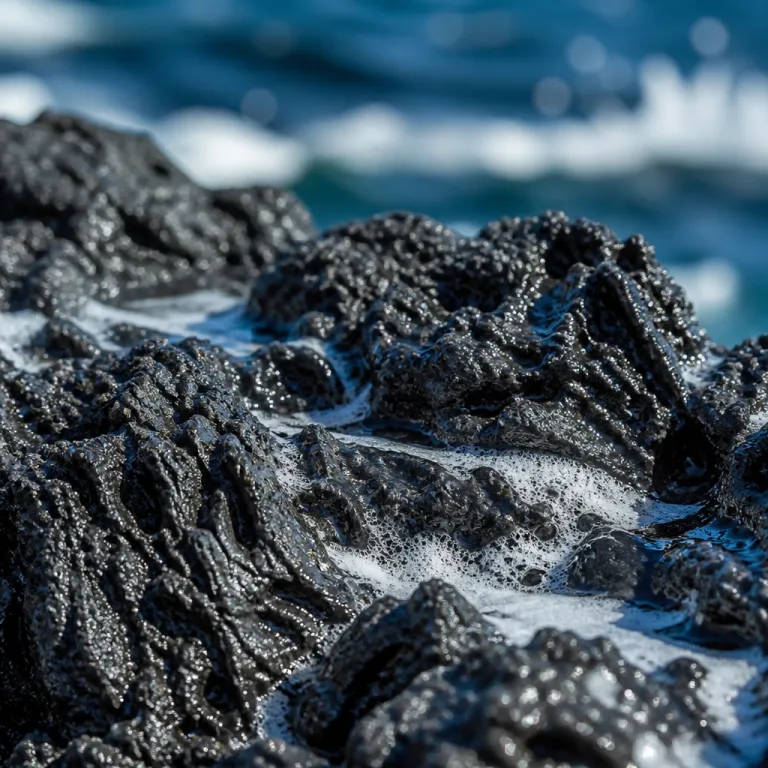
What the Hawaiʻi Volcanoes camping expansion means for luxury minded travelers
The Hawaiʻi Volcanoes National Park camping expansion planned for 2026 is centered on the Kahuku–Pōhue unit, a roughly 16,000-acre sweep of protected land that will, for the first time, open selected portions of its rugged coastline to overnight guests. This initiative, outlined in the National Park Service’s Kahuku–Pōhue Comprehensive Site Management Plan and Environmental Assessment (finalized in 2024), effectively doubles primitive camping capacity in Hawaiʻi Volcanoes National Park, a park already welcoming close to two million visitors each year yet offering limited campground choice for couples seeking quiet, premium experiences. For travelers used to a design-forward hotel on the Big Island, this shift means you can now trade a lobby bar for a lava cliff and still expect structure, advance reservations and a curated sense of place.
The plan proposes four day-use areas, three coastal overnight camping zones and a network of hike-in pitches in Upper and Lower Kahuku. Within this framework, the park’s 2026 camping expansion will add six hike-in tent sites in Upper Kahuku and seven in Lower Kahuku, for a total of thirteen new primitive sites, all designed to keep visitor impact light on fragile volcanic land and native habitat. According to the NPS planning documents, these small-capacity sites are intended to disperse use, limit new road construction and protect cultural resources while opening only a modest fraction of the unit’s coastline to overnight use. For couples booking through a luxury and premium campground platform, that translates into clearly mapped options, from coastal sites with ocean soundtracks to higher-elevation clearings with Mauna Loa views and cooler night air.
Existing favorites such as Kulanaokuaiki Campground and Namakanipaio Campground remain anchors on the volcanoes national plateau, but the new coastal corridor finally balances the portfolio. Where Kulanaokuaiki Campground is tucked inland off Hilina Pali Road with a handful of picnic tables and a remote feel, the future Kahuku–Pōhue sites will bring the sea into the same national park narrative that already includes Kīlauea, Mauna Loa and the historic Volcano House lodge. For travelers comparing a tent stay at a campground located inside the park entrance with a room in nearby Volcano Village, the expanded map of Hawaiʻi Volcanoes camping options makes a premium stay under canvas a realistic alternative rather than a compromise.
From coastline pitches to Kahuku trails: how access will work
The new plan for the Hawaiʻi Volcanoes National Park 2026 camping expansion covers both day use and overnight access in the Kahuku–Pōhue sector, which lies south of the main Kīlauea Visitor Center and away from the busiest road corridors. NPS documents describe three coastal camping areas, four day-use sites and a short 0.75-mile loop trail, stitched into a broader network of routes that climb from sea-level lava to upland pasture and native forest. For couples, that means you might wake at a tent pitched above the ocean, then spend the afternoon on a shaded inland track before returning to a quiet fire ring rather than a crowded hotel pool.
Public comment on the environmental assessment runs into early July 2024, with in-person meetings scheduled in June to refine how the national park balances access and protection. The Kahuku–Pōhue unit shelters dozens of rare species, including nēnē (Hawaiian goose), ʻiʻiwi, ʻōpeʻapeʻa (Hawaiian hoary bat), honuʻea (Hawaiian hawksbill turtle) and Hawaiian monk seals, so every new campground or road spur is being weighed against habitat disturbance and coastal erosion. The NPS planning summary notes that 47 endangered and seven threatened species may occur in the project area, underscoring why lighting, trail alignment and campsite density are being scrutinized. For luxury campground booking platforms, this level of detail is an asset, because it allows them to present each site with clear guidance on where pets are allowed, how close you are to sensitive shoreline and what level of privacy you can realistically expect.
Compared with the more established Kīlauea Military Camp and the historic Volcano House near the main park entrance, the Kahuku–Pōhue area will feel wilder and more self-reliant, even as it remains firmly within the national framework. Couples used to curated park experiences through services like a premium gateway to luxury campground stays will find that the new Hawaiʻi Volcanoes sites sit somewhere between a traditional campground and a minimalist eco retreat. You still book a defined site, still arrive on a signed pali road or coastal track, but the amenity block is replaced by a dark sky, the distant glow of Kīlauea and the sound of surf on old lava.
Planning a premium stay: pricing, access and where this fits in your trip
For travelers used to hotel-style clarity on rates and inclusions, the Kahuku–Pōhue expansion raises a practical question: how will these new sites be priced and reserved. Standard park entrance fees will continue to apply for all visitors, and overnight camping in the national park is typically booked through a mix of Recreation.gov, NPS reservation systems and partner platforms that specialize in elevated campground stays. Before you commit, it is worth reading an industry benchmark on the real price of a campground night, which shows how location, privacy and services shape what feels like fair value on the Big Island.
Within the existing network, Kulanaokuaiki Campground offers a quiet inland option with basic facilities, while Namakanipaio Campground near the Kīlauea Military Camp provides easier access to the main visitor center, paved road loops and short walks to viewpoints. Both campgrounds sit inland from the coast, so the arrival of three coastal camping sites in Kahuku–Pōhue will finally give couples a choice between crater-rim drama and ocean-horizon calm on the same trip. For those who still want a night in a characterful inn near the park, there are elegant stays close to regional fairgrounds and small towns across the island that pair well with two or three nights under canvas.
Luxury and premium booking platforms will likely highlight which new sites have picnic tables, how far each tent pad is from parking and whether pets are allowed, details that matter when you are trading a suite for a sleeping bag. The Hawaiʻi Volcanoes National Park camping expansion also sits within a broader trend of increased eco tourism and cultural tourism on public land, where NPS, local communities and conservation partners collaborate to shape access. As the National Park Service notes in its environmental assessments and community consultations, it is using phased infrastructure development, cultural resource surveys and ongoing monitoring to manage this expansion, with the clear aim of preserving ecosystems, honoring cultural heritage and enhancing the visitor experience in Hawaiʻi Volcanoes National Park.