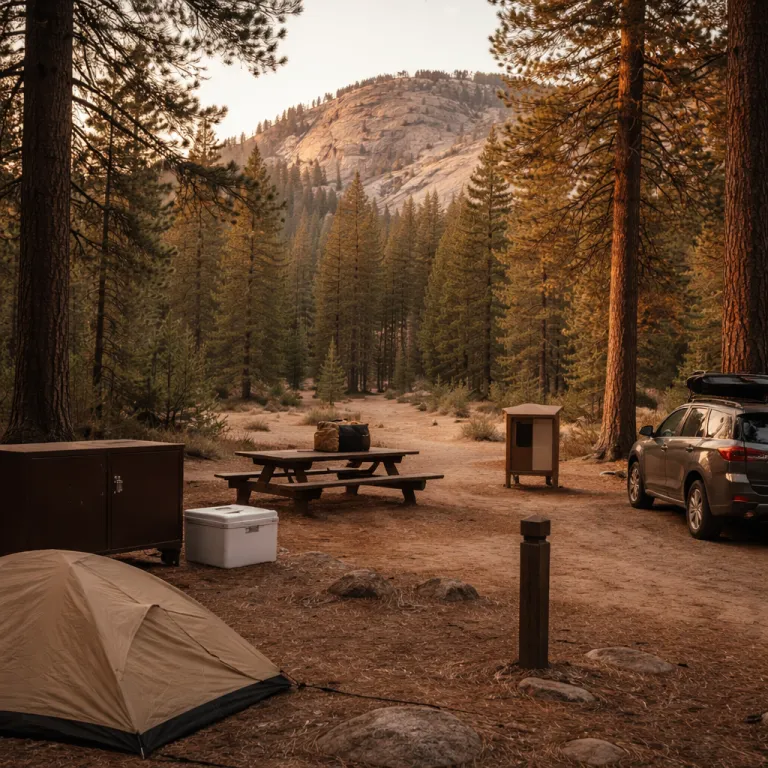
Why national park campground reservations feel different now
National park campground reservations for 2026 sit at a crossroads of policy shifts and surging demand. Some parks have phased out pandemic-era timed entry while others have tightened their campsite booking rules, so the landscape feels fragmented for travelers who usually book park lodges or premium hotels. If you want luxury-level control over your camping plans, you now need a strategy that treats each national park as its own micro destination.
Across the USA, the National Park Service (NPS) manages hundreds of campgrounds, yet the experience at a mountain park differs sharply from an island park with only a handful of sites. High demand means that a lake-view campground or a canyon-rim loop can book out within minutes, especially when the federal reservation system opens dates for the 2026 season. The context is simple but unforgiving: the more iconic the park, the more disciplined your campsite booking routine must become.
Recreation.gov is the backbone of this system, and the agency states clearly that “Reservations open 6 months in advance” in its general booking guidance. That six-month window for national park camping reservations opens at 10 a.m. Eastern Time, which means West Coast travelers are effectively competing at 7 a.m. local time. For luxury and premium camping guests used to concierge service, understanding this precise timing is the first step toward securing the best campsites rather than settling for overflow parking lots.
The reservation calendar by park and how to read it like a pro
Every national park now plays by slightly different rules, so your first task is decoding each campground calendar. Yosemite, Glacier and other headline destinations have paused some vehicle reservation systems, while Rocky Mountain National Park still maintains timed entry during peak months, according to current NPS guidance on individual park pages. Those differences directly shape how you plan your 2026 campsite bookings. Treat each park page as you would a luxury hotel fact sheet: the fine print about maximum trailer length limits or hard-sided requirements matters as much as the view.
On Recreation.gov, each campground page lists opening and closing dates, the maximum vehicle length allowed for RVs, and whether tent camping, hard-sided units or backcountry sites are permitted. For example, a lakeside campground near a busy marina might allow only hard-sided trailers with a maximum length of about 30 feet, while creekside campsites in a quieter canyon allow smaller tent pads but no generators. When you are used to premium hotel booking engines, this level of technical detail can feel dense, yet it is exactly what separates a serene lake stay from a stressful night in the wrong loop.
Luxury-focused travelers should build a simple calendar that tracks when each national park campground opens its six-month booking window and which campgrounds are first-come, first-served. Pair that with a shortlist of aspirational sites, then layer in alternative options such as high-end private campgrounds or curated platforms that specialise in five-star camping experiences. For deeper tactics on how to book 5 star campgrounds for a premium outdoor experience, study the dedicated guide on premium outdoor campground booking strategies before you lock in your 2026 national park stays.
Timing tactics for the six month Recreation.gov window
Winning the most coveted campsites now depends on treating the Recreation.gov six-month window like a limited-release hotel sale. The platform’s own guidance is explicit: “When do reservations open? Typically 6 months in advance.” For 2026 national park campground reservations, that means you should know the exact date and time your preferred campground inventory will appear, then be logged in and ready several minutes early.
Because the system opens at 10 a.m. Eastern Time, guests in western national parks must adapt their routine and set alarms for early morning. Use a fast, stable connection, preload your favourite campgrounds and specific sites, and keep multiple devices ready so that a tablet can chase a lake loop while your phone targets a creek loop. Refresh the page just before the release, but avoid constant reloading in the final seconds, as that can slow your session and cost you the waterfront site you wanted.
High-end travelers should also understand the staggered release pattern that some national parks use to manage demand. Instead of releasing an entire season at once, a park may open a month of camping inventory each day, which rewards guests who track the pattern and return consistently. For 2026 bookings, this staggered approach can actually favour organised guests who treat the process like a concierge-assisted reservation, rather than a one-time gamble that ends in frustration.
Pre-release checklist and sample 2026 reservation calendar
- Confirm the exact six-month release date for your arrival night on the campground page (for example, a 15 July 2026 arrival at a Yosemite National Park campground typically opens around 15 January 2026).
- Note the 10 a.m. Eastern Time opening and convert it to your local time zone, especially if you are booking sites in western parks such as Yellowstone or Glacier.
- Create or update your Recreation.gov account, save your payment details in advance and verify your email so you can check out without delays.
- Shortlist 3–5 specific campgrounds and, where possible, favourite individual sites that match your RV length, tent size and preferred loop.
- Log in 10–15 minutes early on at least two devices with a reliable internet connection and keep the campground pages open in separate tabs.
- Refresh the availability view just before 10 a.m. ET, then move quickly but calmly through the booking screens to avoid timeouts.
- Have backup options ready, including nearby private RV parks or boutique campgrounds, in case your first choice sells out within minutes.
Yellowstone, canyons and lakesides ; how specific parks really work
Yellowstone National Park remains the benchmark for complex 2026 campground planning, especially for travelers who usually default to park lodges. Within Yellowstone National Park, the trio of Grant Village, Bridge Bay and Fishing Bridge illustrates how different one park’s campgrounds can feel, even when they share the same volcanic plateau. Understanding these nuances lets you match your camping style to the right reservation instead of relying on a generic park map.
Grant Village Campground sits near Yellowstone Lake and offers a mix of tent sites and RV-friendly campsites, making it ideal for guests who want a balance between comfort and wilderness. Bridge Bay Campground leans into the lake atmosphere, with many sites close to the marina, which suits travelers who value sunrise paddles as much as geyser watching. Fishing Bridge RV Park, by contrast, is reserved for hard-sided units only, with strict maximum trailer length rules that protect both bears and guests in this busy corridor, as outlined on the official NPS campground descriptions and Yellowstone operating dates pages.
Beyond Yellowstone, canyon-focused campgrounds in other national parks often combine dramatic views with tighter rules on backcountry camping and vehicle size. A canyon-rim campground might cap the trailer length at around 23 feet and require that all food be stored in bear lockers, while a lake campground in a gentler park allows more flexible setups. For 2026 national park campground reservations, read each campground’s vehicle length and hard-sided notes as carefully as you would room categories in a luxury hotel, because those details dictate whether your stay feels effortless or compromised.
First come, private alternatives and the rise of overflow strategies
Not every national park campground fits neatly into the reservation-only model, and that is where strategy becomes an art. Some campgrounds remain first-come, first-served, which can suit flexible solo travelers who are comfortable arriving at dawn and scouting open sites. For guests used to guaranteed hotel confirmations, blending a core of 2026 national park reservations with a buffer of first-come options and private land stays offers both security and spontaneity.
When the flagship campgrounds inside a park are full, high-quality private campgrounds and curated platforms on nearby ranches, vineyards or forest estates can provide a premium alternative. These sites often sit along a creek or near a lake, with generous spacing measured in dozens of feet between pitches and amenities that rival small park lodges. A detailed example is the elegant riverfront property reviewed in the guide to an elegant Smoky Mountains campground stay, which shows how a private campground can deliver a refined experience while still keeping you close to a major national park.
As Hipcamp-style private land options grow, they increasingly act as a pressure valve for peak-season campsite demand, especially near island parks and coastal destinations with limited sites. Use them as a safety net when making reservation attempts for popular dates, or as a deliberate choice when you want more space and quiet than a busy bay loop can offer. The most successful itineraries now weave together in-park campsites, nearby private campgrounds and occasional hotel nights into one coherent, high-comfort journey.
Shoulder seasons, September magic and designing a luxury grade itinerary
For discerning travelers, the smartest move for 2026 national park camping is often to step sideways into the shoulder season. September in many mountain parks brings crisp air, thinner crowds and a softer light over every lake and canyon, while still offering comfortable camping conditions. By shifting your dates just a few weeks away from school holidays, you dramatically increase your chances of securing prime campsites without sacrificing comfort.
In practice, that means targeting early autumn for marquee destinations such as Yellowstone National Park, where Grant Village and Bridge Bay feel calmer once the peak rush fades. Creekside loops that were impossible to book in midsummer suddenly show availability, and the trailer length restrictions feel less constraining when there are fewer rigs competing for the same sites near the water. For 2026 reservations, this shoulder strategy also reduces pressure on Recreation.gov release days, because demand curves flatten as soon as families pivot back to city routines.
Design your itinerary with the same care you would apply to a multi-stop hotel journey, anchoring each region with one or two hero campgrounds and filling gaps with flexible options. Combine a few nights of structured camping inside a national park with a night at a refined private campground or small lodge to reset, recharge and enjoy longer showers. The result is a trip where every tent night, every hard-sided stay and every carefully chosen bay or bridge loop feels intentional, not improvised at the last minute.
Key figures for national park campground reservations
- The average campsite fee in many U.S. national park campgrounds is around 30 USD per night, according to typical ranges published on National Park Service campground pages and fee schedules, which is significantly lower than most mid-range hotel rates in nearby gateway towns.
- The standard reservation window for most federal campgrounds is 6 months in advance on Recreation.gov, meaning a stay planned for mid-July typically becomes bookable in mid-January of the same calendar cycle, as outlined in the site’s general reservation policies.
- High-demand parks often see entire loops of campsites reserved within minutes of the 10 a.m. Eastern Time release, which makes pre-planning and fast logins essential for securing lake or canyon-view sites during the 2026 peak season.
- Many popular campgrounds now operate with cashless payment systems, reflecting a broader shift in U.S. travel infrastructure toward digital transactions for both reservations and on-site purchases, as noted in recent NPS facility updates and park-specific alerts.
FAQ about national park campground reservations
When do national park campground reservations usually open ?
Most national park campground reservations for 2026 open six months before the arrival date, with inventory released at 10 a.m. Eastern Time on Recreation.gov. This timing applies to both tent sites and RV campsites in many federal campgrounds. Always confirm specific dates on the individual park page, because some campgrounds use staggered releases or different booking windows.
Are all national park campgrounds reservable or still partly first come ?
Most high-demand national park campgrounds now require reservations, especially during peak seasons, but some smaller or more remote campgrounds remain first-come, first-served. The National Park Service notes that “Are all campgrounds reservable? Most are; some remain first-come, first-served.” Check each campground listing carefully so you can decide whether to rely on a reservation or arrive early for a first-come site.
How do I make a campground reservation for a specific site ?
You can make a campground reservation online through the Recreation.gov website or mobile app, or by phone if you prefer speaking with an agent. Many campgrounds allow you to choose specific sites on a map, showing details such as maximum vehicle length for RVs and whether tents or hard-sided units are permitted. Log in early, filter for your preferred dates and then select the exact campsite that matches your equipment and comfort level.
What should luxury focused travelers look for when booking campsites ?
Travelers who usually book premium hotels should focus on spacing between sites, proximity to noise sources, and access to high-quality wash blocks or nearby park lodges. Look for lake or creek loops with generous privacy, clear rules on generator hours and convenient access to key viewpoints or trailheads. Combining these factors with flexible dates, especially in September shoulder seasons, creates a camping experience that feels curated rather than compromised.
Is backcountry camping still worth considering if I prefer comfort ?
Backcountry camping can be rewarding even for comfort-oriented travelers, provided you choose shorter routes and stable weather windows. Many national parks offer backcountry zones close to trailheads, where you can hike only a few kilometres yet still sleep far from road noise. Pair one or two backcountry nights with stays at serviced campgrounds or nearby lodges to balance immersion with the amenities you value.