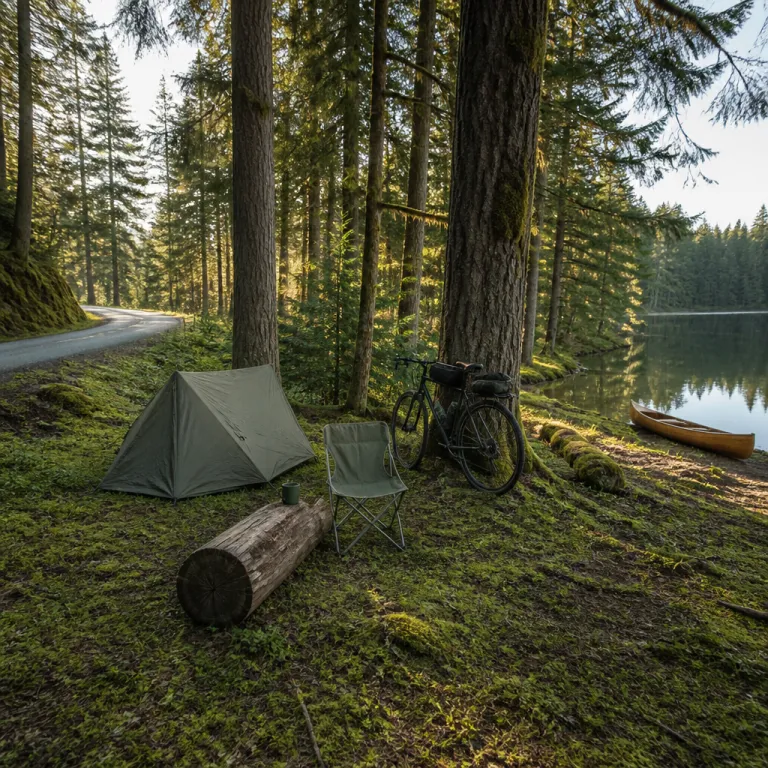
The quiet rebellion against the algorithmic road trip
Luxury road tripping in the United States now lives in a strange tension between spontaneity and software. Every major travel platform steers you toward the same state park, the same national park, the same polished camping resort with a rock wall and a lazy river, all neatly ranked and mapped. Yet the most memorable hidden campsite discoveries usually happen when you drive past the crowded entrance and keep following the road toward a dimmer cluster of lights.
Data from recent travel surveys shows that a clear majority of campers now prefer at least one spontaneous stop on a long trip, and the rise in unplanned campground visits over several years confirms that instinct. Kampgrounds of America’s 2023 North American Camping & Outdoor Hospitality Report, for example, found that roughly two thirds of road trippers added at least one unbooked night to their itinerary. That shift is especially strong among solo travelers who value heritage rich small towns, roadside diners and forgotten state parks over marquee national parks that feel more like outdoor malls. They are not chasing free amenities or loyalty points; they are chasing the feeling that a place still belongs to the landscape, not to the algorithm.
On a premium booking website for campgrounds, that tension plays out in the filters you choose and the maps you trust. You might start trip planning with a few anchor nights at a famous national park, then deliberately leave gaps where you will rely on offline maps, local advice and your own read of the land. That is where hidden gems appear: the small private campground beside a lake, the municipal park long ignored by road tripping crowds, the state parks that never trend on social media but stay open year round and quietly deliver the most memorable nights.
Reading the landscape from the road like a seasoned host
Long before you open a booking app, the road itself starts to tell you where the best campground might be. As you slow past a state park entrance or a private camping sign, look at the tree canopy, the spacing between sites, the way the access road curves toward the river or lake rather than straight into a parking grid. Those visual cues often reveal whether a place was designed for quick turnover or for lingering, heritage focused stays that feel like a true off the beaten path road trip find.
Entrance design is your first audit point when you are road tripping without a fixed plan. A narrow lane framed by mature trees, a modest sign and a glimpse of tents near a rock outcrop usually signal a quieter campground than a neon lit gate with a queue of RVs and a water park billboard. From the road, you can often see whether hiking trails start directly from the park, whether mountain bikers are rolling out at dawn, and whether the sites hug a river bend or sit exposed beside the highway.
Premium booking platforms can translate that on the ground reading into filters that actually matter for discerning travelers. Instead of ranking only by distance to a national park, they can highlight campgrounds near historic main streets, Civil War battlefields or decommissioned rail trails that now host some of the best hiking trails and mountain biking loops in a given state. In Colorado, for instance, Lake Pueblo State Park sits just beyond the orbit of Rocky Mountain National Park yet offers year round camping, miles of singletrack and easy access to Pueblo’s historic riverwalk. Colorado Parks and Wildlife reports that the park’s trail network now exceeds 30 miles, a scale that surprises many travelers who expected only a quick roadside camping stop. When you combine that kind of curation with tools like Recreation.gov for federal sites—where more than 4 million camping reservations were processed in a recent year—and a few well chosen offline maps, you gain the confidence to skip the obvious parks and follow the subtle signs that a small state park or private campground will open a window onto the real character of a place. For a deeper look at how narrative and setting shape high end outdoor stays, see this analysis of under canvas nights and story driven campgrounds on Campgroundstay.com.
Heritage, Americana and the power of the unplanned overnight
The current wave of heritage and Americana focused travel has changed what luxury means on a road trip. Many travelers now value a quiet campground behind a Main Street diner, a state park beside a decommissioned rail line or a riverside camping meadow near a historic bridge more than a full service resort with a long amenity list. The most rewarding roadside camping discoveries often happen when a planned national park stop feels crowded, so you push on to the next town and find a municipal park where the host knows every local story.
Unplanned camping experiences consistently feel superior because they are less crowded and more personal. A county park host in western Kansas summed it up to one recent guest this way: “People come here by accident and stay because it feels like their own backyard.” That pattern is especially clear in regions like Colorado, where a small county park on a lake can sit just beyond the shadow of a famous national park yet receive a fraction of the traffic. You roll in for a simple day trip, notice the hiking trails tracing the river and the mountain bikers loading dusty bikes at dusk, and suddenly one night becomes three because the place feels like a private annex to the town’s history museum.
Luxury and premium booking websites for campgrounds can lean into that pattern rather than fight it. They can encourage flexible trip planning by suggesting anchor nights at major national parks, then proposing nearby hidden gems in lesser known state parks, city parks or private campgrounds that stay open year round and rarely sell out. They can also surface editorial guides to peak season quiet campgrounds where summer crowds never arrive, like the in depth feature on crowd free sites published by Campgroundstay.com, so travelers feel safe skipping the obvious stop and trusting the next bend in the road.
When twenty sites beat two hundred: luxury measured in context
On paper, a 200 site resort style park with a pool, a rock climbing wall and a long list of scheduled activities looks like the premium choice. In practice, a 20 site campground tucked behind a grain elevator or along a shaded riverbank often delivers a richer, more luxurious experience for a solo explorer. The most satisfying hidden campground discoveries rarely involve a wristband; they involve a short walk from your tent to a neon lit diner where the server calls you by name on the second morning.
Context is the quiet luxury that most booking engines still undervalue. A small state park on the edge of a historic town might offer only basic camping facilities, but if the trail network connects you to a preserved battlefield, a century old bridge and a lakeside picnic area, your stay becomes a living museum. You can spend the day on hiking trails or gentle mountain biking loops, then walk into town for pie and conversation, and that blend of nature and narrative is what many travelers now seek when they choose road trips over resort stays.
Premium platforms can quantify that context without reducing it to clichés. They can tag campgrounds by proximity to heritage routes, scenic byways and lesser known national parks, and they can encourage guests to share detailed reviews that mention specific trails, river access points and local institutions. Over time, that user generated layer becomes as valuable as any official map; it helps other road tripping guests see which parks feel safe for a late arrival, which campgrounds stay quiet even when the state parks nearby are full, and which sites work best for a quick day trip stop versus a park long stay that stretches into a week.
Practical strategies for mixing planned anchors and open ended nights
For a luxury minded traveler, the art of road tripping lies in knowing when to book and when to let the road lead. Start your trip planning by securing a few anchor nights at high demand national parks or iconic state parks, especially where camping is limited and access to famous hiking trails or lakes is tightly controlled. Between those anchors, leave deliberate gaps where you will rely on offline maps, local recommendations and your own reading of the landscape to find hidden gems.
Technology can support that flexibility rather than undermine it. Use travel apps and GPS devices to scan for campgrounds along your route, but resist the urge to lock every night in advance; remember that a mix of digital tools and local insight is still the most reliable formula for unexpected finds. Download detailed maps for your chosen state, including layers that show public lands, rivers, lakes and lesser known parks, so you can safely follow a promising side road without losing your way or your signal.
On a premium booking website, look for features that respect spontaneity. Filters that highlight year round availability, same day booking and flexible cancellation policies make it easier to extend a stay when a place feels right or move on when it does not. Integrations with Recreation.gov for federal sites, clear information about state parks and national parks, and honest guest reviews that mention noise levels, trail access and the mix of mountain bikers, hikers and families all help you decide whether a campground suits a quiet solo night or a social weekend. In the end, the most rewarding off the beaten path campground discovery is less about chasing a secret spot and more about building enough slack into your itinerary that an unplanned overnight can reshape the entire journey.
FAQ
Why do unplanned campgrounds often seem better than planned stops?
Unplanned campgrounds often feel better because they are usually less crowded, more personal and more closely tied to their surrounding communities. When you arrive without a rigid checklist, you are more likely to notice the small details that make a place special, from a quiet river trail to a local café within walking distance.
How can I safely find unexpected campgrounds on a road trip?
Combine reliable navigation tools with local knowledge. Use travel apps, GPS devices and offline maps to identify legal camping options such as state parks, national parks, municipal campgrounds and private parks along your route, then confirm details through official channels like Recreation.gov or state tourism websites. Once in town, ask locals at diners, visitor centers or gear shops for their preferred hidden gems, and always check access rules, park hours and safety advisories before committing.
Is it safe to camp at unplanned sites I find while driving?
Yes, it can be safe to camp at unplanned sites when you apply basic precautions and verify that camping is allowed. Look for established campgrounds or designated camping areas, avoid isolated illegal pullouts, arrive with enough daylight to assess the site, and trust your instincts if a place feels poorly maintained or insecure.
When should I book ahead versus staying flexible on a road trip?
Book ahead for high demand destinations such as famous national parks, popular state parks and limited capacity wilderness areas, especially during peak seasons or holidays. Stay flexible between those anchors, leaving open nights where you can follow promising side roads, explore lesser known parks and adjust your pace based on weather, energy and local recommendations. This mix lets you enjoy marquee hiking trails and lakes while still leaving room for the most rewarding off the beaten path campground discovery.
How do premium booking websites support spontaneous road tripping?
Premium booking websites for campgrounds increasingly offer tools that balance structure and spontaneity. They provide curated lists of campgrounds near heritage sites, small towns and scenic byways, along with filters for same day availability, year round operation and proximity to hiking trails or mountain biking routes. By combining these features with honest guest reviews and clear maps, they help travelers pivot from a crowded park to a quieter hidden gem without sacrificing safety or comfort.