Isle Royale wolf campground closure 2026 reshapes premium backcountry planning
Wolves closed two Isle Royale campgrounds this summer, and the isle has not felt this watchful in years. The isle royale wolf campground closure 2026 centered on Three Mile Campground and Duncan Narrows Campground, where escalating wolf activity forced the park service to act decisively. For travelers used to booking a lakefront suite rather than a lakefront tent, this royale national story is now essential reading before committing to a premium backcountry stay on Lake Superior.
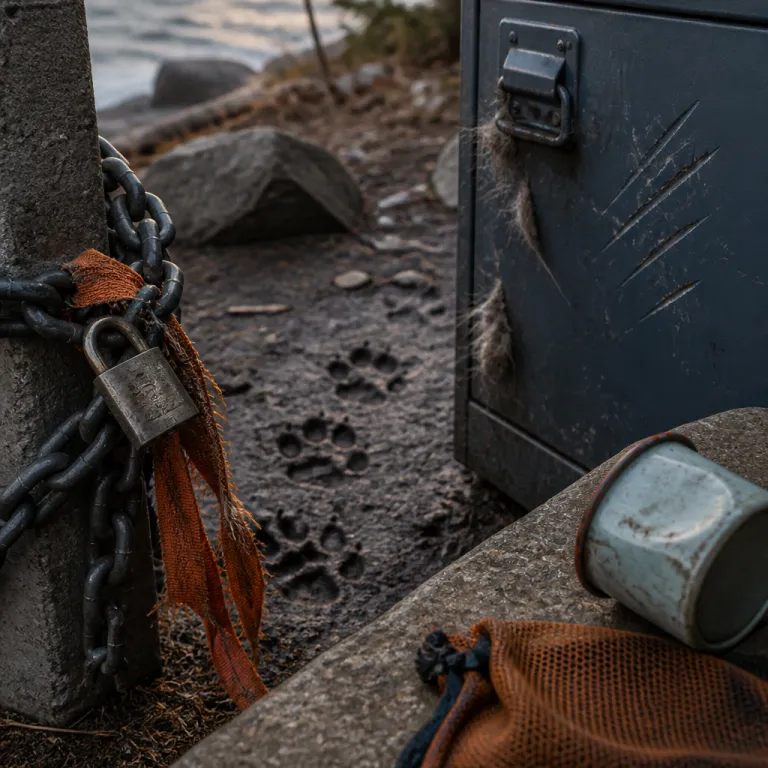
On July 9, Isle Royale National Park closed the wooded mile campground at Three Mile after wolves were repeatedly observed sniffing tents, dragging backpacks, and even entering a tent near the shoreline. Four days later, the park will extend the isle royale wolf campground closure 2026 to the quieter narrows campground at Duncan Narrows, after a single wolf accessed improperly stored food and food trash that had been left outside approved storage. The National Park Service announced a planned reopening at the end of July, but also made clear that closures will continue whenever wolf activity and human behavior collide in ways that threaten safety.
For luxury focused travelers using high end booking platforms, the message is precise rather than alarmist. Isle Royale is a national park first and a destination for curated campgrounds park experiences second, so any premium listing near Rock Harbor or Rock Harbor Lodge must now communicate food storage rules as clearly as it lists water taxi times. As Park Superintendent Denice Swanke stated, “Visitor safety and the protection of wildlife are our highest priorities”, and that single sentence now underpins every serious itinerary that includes tents, trail camping, and shoreline activity on this remote rock in Lake Superior.
Behind the headlines, the data explains why the park service moved quickly. The wolf population on Isle Royale has climbed to 37 wolves, while moose numbers have fallen sharply, increasing the incentive for wolves to investigate food trash, trash scented items, and any unsecured storage near a campground. For travelers browsing a luxury campgroundstay.com listing, that means the isle royale wolf campground closure 2026 is not an anomaly but a logical response to a predator that has learned to associate tents and backpacks with calories.
Noise producing devices now ring Rock Harbor, Three Mile, and Daisy Farm, part of a new hazing strategy that the park will continue to refine with wildlife biologists and local law enforcement. These tools are designed to push wolves back toward natural prey and away from campgrounds, while enhanced storage regulations and more visible food storage lockers aim to break the link between human food and wolf activity. For guests, the practical takeaway is simple ; if a listing near Rock Harbor promises elevated service, it must also promise strict compliance with national park guidance on food, water, and trash.
Premium platforms that curate world class campgrounds are already adapting their content for Isle Royale. Detailed pre arrival notes now explain how the park service expects every camper to treat scented items, from sunscreen to gourmet food, as potential attractants that belong in lockers, not in tents. On campgroundstay.com, for example, our editorial team now treats the isle royale wolf campground closure 2026 as a case study in how a national park can remain open to discerning travelers while still prioritizing wolves, moose, and the fragile rock and forest ecosystem that makes this isle unique.
From closures to conduct: how wolves are rewriting luxury campground standards
The immediate shock of the isle royale wolf campground closure 2026 has given way to a quieter shift in guest expectations. Travelers who once filtered for harbor views and private platforms now ask how a given campground handles food storage, trash management, and wolf activity before they click to book. For a Solo Explorer who might usually choose a design forward city stay, the new luxury on Isle Royale is a national park pitch where wolves remain wild and tents remain uninteresting to them.
Three Mile Campground, long a favorite for its short paddle from Rock Harbor and easy access to water, now functions as a benchmark for how campgrounds park operations respond when wolves test boundaries. During the closure period, the park service installed noise deterrents, increased ranger presence, and issued detailed advisories on food trash, trash scented items, and unattended backpacks left near tents. The same pattern played out at Duncan Narrows Campground, where a single wolf’s success with unsecured food triggered a swift shutdown of the narrows campground corridor and a reset of visitor behavior.
For high end booking sites, this is not a deterrent ; it is an opportunity to curate better. Listings that once highlighted only lake superior sunsets now spell out storage regulations in the same breath as they mention private tent pads and limited capacity campgrounds. A well written property page will explain that park will enforce rules on food, water, and scented items, and that guests who ignore them risk not just fines but further closures that affect every traveler on the isle.
Luxury in this context means clarity, not indulgence. A serious operator on Isle Royale will continue to provide bear resistant lockers or approved storage at every premium campsite, and will brief guests on how to pack food, manage food trash, and keep backpacks free of loose snacks that might attract wolves. For Solo Explorers, that level of guidance feels less like a rulebook and more like an insider briefing, the kind you expect from a trusted concierge rather than a generic national park brochure.
These changes also influence when and where seasoned travelers choose to camp. Those who once targeted Three Mile for peak season weekends now look at alternative itineraries that combine quieter trail camping with a final night near Rock Harbor, using resources such as the Memorial Day camping guide to high demand sites on campgroundstay.com to understand how early they must book. The isle royale wolf campground closure 2026 has effectively moved Isle Royale into the same planning category as elite riverfront campgrounds in the Lower 48, where a mix of wildlife, limited capacity, and strict rules defines the guest experience.
For travelers who usually book hotels, the key is to treat an Isle Royale reservation as a hybrid between a room and a permit. You are not just reserving a tent pad or a cluster of tents ; you are accepting a role in a conservation project where wolves, moose, and humans share a narrow rock spine in Lake Superior. The more that luxury booking platforms emphasize this shared responsibility, the less likely it is that future wolf activity will force another round of closures across the isle.
Planning a high end Isle Royale stay after the wolf closures
Looking ahead, the isle royale wolf campground closure 2026 is shaping how serious travelers plan every detail of a premium stay on this remote isle. Isle Royale National Park has been clear that similar closures may return if wolves regain access to human food, so the park will rely on visitors to break that pattern. For anyone booking through a curated platform, the smartest move is to treat food, water, and storage as core parts of the itinerary, not afterthoughts.
Start with the basics that every national park veteran now treats as non negotiable. All food storage must use the lockers or approved containers provided by the park service, and all scented items from toiletries to packaged snacks must stay out of tents and away from sleeping areas. Backpacks should never be left unattended at a mile campground, a narrows campground, or any shoreline site near Rock Harbor, because wolves have already learned that a single careless moment can mean an easy meal.
Next, choose campgrounds and routes that match your comfort with wildlife. Some Solo Explorers will continue to favor Three Mile and Duncan Narrows for their proximity to Rock Harbor Lodge and the ferry, while others will pivot toward quieter trail camping routes that keep them away from the highest concentration of wolf activity. Either way, a serious itinerary now includes time to read current advisories, understand any temporary closures, and check how noise deterrents or other hazing tools might affect the soundscape at night.
For travelers who value a sense of seclusion as much as a sense of safety, it pays to study how different campgrounds handle capacity and layout. Some sites near Rock Harbor cluster tents close together, which can make it easier to manage food trash and storage collectively, while more remote campgrounds spread tents along the rock shoreline, increasing both privacy and responsibility. Our guide to campgrounds where the trees do the work on campgroundstay.com offers a useful comparison point, showing how thoughtful design can keep wildlife corridors intact while still delivering a premium guest experience.
Nighttime on Isle Royale remains one of the great North American rewards, even after a season of closures. Under clear skies, the Milky Way stretches over Lake Superior, and wolves often move silently through the forest far from any campground, a reminder that their world does not revolve around our tents. For travelers who prioritize dark sky experiences, our feature on campgrounds where the stargazing makes the trip provides a template for evaluating whether a given site balances celestial drama with practical safety measures such as clear storage regulations and discreet ranger presence.
Ultimately, the isle royale wolf campground closure 2026 has pushed luxury and premium campground booking into more honest territory. A listing that glosses over wolves, food storage, and park service rules is no longer just incomplete ; it is out of step with how Isle Royale now operates as a national park. The best campgrounds, and the best platforms that feature them, will continue to treat wolves as part of the draw rather than a problem, inviting guests into a shared project where careful behavior keeps both wildlife and world class backcountry experiences open for seasons to come.