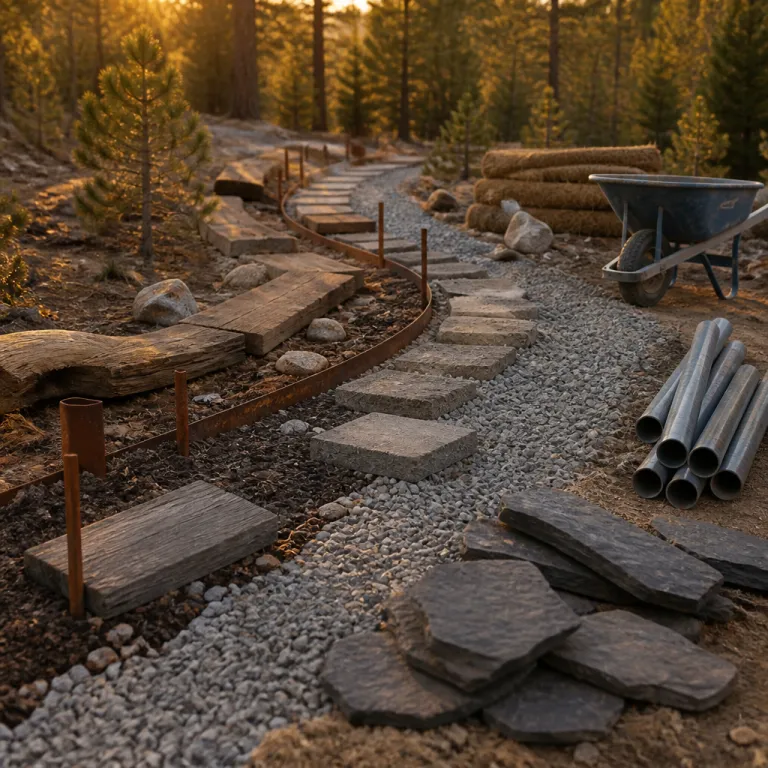
Why walkable campground layout now defines true luxury
Luxury outdoor stays are shifting from vehicle convenience toward human scale. The new benchmark for campground layout and walkability is whether the property feels like a continuous walking experience rather than a car dominated grid, and whether that main path or its branching footways connect every part of the stay. When you book a premium campground now, you are really choosing a walkable landscape where the route from your tent to the social center of activity, to the hub of wellness amenities, and back to the quiet center of your pitch shapes the entire trip.
Designers and park managers increasingly agree that campgrounds should emulate hiking networks, not parking lots. One expert summary from a 2022 outdoor hospitality design review puts it plainly; “Why should campgrounds resemble trail systems? To enhance natural integration and user experience.” That philosophy now underpins the best walkable campground layouts, where each community loop, each shared fire circle, and each micro community of sites is stitched together by paths that feel intuitive underfoot.
For travelers used to hotels, the key question becomes how easily you can access everything on foot. True luxury is stepping out of your cabin and having immediate access to a riverside promenade, then later enjoying safe evening access to the wine bar without dodging reversing RVs. When a campground flows like a thoughtfully planned trail system, the car fades into the background and the landscape takes the lead, turning every short walk into part of the experience rather than a chore.
Reading maps and aerials : how to spot walkable design before you book
Before you commit to a stay, the smartest move is to study the map like a hiker planning a trail. Aerial photos and campground diagrams reveal whether paths form organic walking loops that meander and reconnect, or whether they are just driveways masquerading as footpaths between rows of asphalt. Properties that take pedestrian friendly campground planning seriously usually show a clear walking network distinct from the vehicle circulation system, and that network will link accommodation to amenities without forcing you onto roads.
Look for a central green or activity park rather than a central parking area. When the map shows a park framed by cabins, tents, and RV sites, you can expect a more social, human focused layout than when the parking area dominates the middle and the sites are pushed to the edges. A strong walkability ethos also appears in how sites are staggered along a river or among trees, instead of lined up in rigid rows that feel like a storage yard.
Another tell is how the property handles edges such as a beach or a river. A thoughtful map will show gentle paths to the beach, shaded seating, and maybe a small day park lawn rather than a road running straight to the sand of that day park. For a deeper visual checklist, guides such as the analysis of what campground design tells you before you even check in on campground layout signals can sharpen your eye for these patterns and help you compare options quickly.
From parking lot grids to trail inspired master plans
Legacy campgrounds often grew like improvised suburbs, with straight roads, right angles, and a big parking area at the entrance. That “parking lot” problem prioritizes vehicular access over the sensory experience of walking from your pitch to the park or the river, and it undermines walkability from the start. Modern campground designers now work from a master plan that treats the pedestrian network as the backbone, and that master plan usually begins by tracing existing animal paths or an old forest trail as inspiration.
In these new layouts, the master plan often organizes accommodation into small clusters around a natural feature. One loop might hug a river bend, another might frame a meadow park, and a third might sit near a day park style lawn for families, with each cluster connected by car free walking routes that feel like part of a regional hiking network. This approach aligns with a broader shift in park planning toward more naturalistic layouts, and that change is already visible in how parks present their maps and describe their circulation systems.
Design philosophy has changed because guest expectations have changed. Outdoor travelers booking premium parks want the intimacy of a backcountry trail with the comfort of a well run park, and they are quick to notice when a property still feels like a storage yard for vehicles. When you see a grid of sites wrapped around a giant asphalt parking area, you can safely assume the experience will be more about maneuvering than meandering, and less about immersion in the landscape.
Walkability, amenities and the quiet luxury of user comfort
On a well designed property, every step between your tent and the spa, the café, or the dog park feels intentional. The most effective walkability strategies place amenities at the natural junctions of walking routes, so that the dog park, the wellness deck, and the family day park lawn all sit where paths already want to meet. This creates a subtle community rhythm, where you cross paths with other guests at these nodes rather than in a congested driveway.
Accessibility is another non negotiable marker of modern luxury. Look for clear references to ADA standards on the booking page, and check whether the map shows ramps, smooth surfaces, and ADA accessible restrooms near key amenities, because true ADA accessible design integrates everyone into the same experience. Properties that highlight ADA access to the beach, to the dog park, and to the center of dining or wellness spaces are usually thinking seriously about user comfort rather than treating ADA access as an afterthought.
Small details also signal whether a campground values walking as part of its hospitality language. Soft lighting along the main trail, benches at viewpoints over the river, and shaded paths to the beach all contribute to user comfort in ways that guests feel immediately. When the layout allows you to move in real time between quiet corners and social hubs without ever crossing a busy road, you are experiencing walkability as a form of understated luxury that quietly supports every part of your stay.
Nature first layouts : rivers, beaches and future parks thinking
Trail inspired design starts with the landscape, not the vehicle turning radius. On riverside properties, the most sophisticated walkable campground plans place only a limited number of sites directly on the river, then step others back behind a vegetated buffer, connected by narrow footpaths that feel like natural trails. This protects the parks river edge from erosion, keeps the parks river corridor quiet, and still gives every guest a short, scenic walk to the water.
Coastal campgrounds face similar choices at the beach interface. A car dominated layout drives roads right up to the sand, while a walkable one concentrates vehicles in a discreet parking area and uses boardwalks to provide gentle beach access for all guests, including those needing ADA access to that beach access route. When you see multiple narrow paths to the shore instead of one wide road, you are usually looking at a park design that respects both dunes and people.
Forward looking operators think in terms of future parks rather than just current capacity. They reserve corridors for future trails, plan for future parks style meadows that can host events, and design the park design so that any expansion will still feel like part of a continuous walking network. This long horizon mindset means your stay today already benefits from a long term vision that keeps the river, the beach, and the forest at the heart of the experience.
The economic and cultural upside of walkable campground systems
Walkability is not just a design flourish; it is a performance driver. Industry case studies suggest that walkable campgrounds with strong experience driven layouts see higher repeat booking rates and longer average stays than comparable properties that still rely on car centric grids, and that pattern aligns with broader research linking pedestrian friendly environments to higher guest satisfaction. For luxury operators, a walk first campground layout becomes a revenue strategy as much as a guest experience philosophy.
There is also a clear operational upside. Concentrating cars in a defined parking area reduces wear on internal roads, simplifies maintenance of the path system, and lowers the long term maintenance burden on utilities that no longer need to follow every spur road, which is especially valuable in regional parks with tight budgets. When staff can move on service routes and monitor conditions in real time, they can respond faster to visitor needs and keep the park running smoothly.
Culturally, walkable layouts foster a stronger sense of community. Guests meet at the center lawn, share sunrise walks along the river, and linger in the day park rather than retreating to isolated pads, which subtly shifts the park from a storage field into a shared retreat. For a deeper look at how signage and wayfinding support this, the guide to elegant signage for resorts in Maricopa County on guest focused wayfinding shows how clear paths and messages reinforce a walk first culture.
How to evaluate long term quality, accessibility and maintenance from your screen
From a booking website, you can read more than you think about long term quality. Properties that talk openly about a long term plan, reference a phased master plan, or mention collaboration with environmental organizations and landscape architects usually treat walkability as part of a broader stewardship plan. When you see language about future parks expansions, ecological buffers, and park design reviews, you are looking at an operator who expects to be judged over the long term, not just this season.
Accessibility and comfort also leave digital fingerprints. Look for specifics about ADA compliant cabins, ADA accessible restrooms, and step free ADA access routes between the parking area and key amenities, because vague promises rarely translate into real ramps on the ground. A serious property will map out which sites are closest to the center facilities, which sit near the dog park or family day park, and how far each is from the river or beach access in metres, giving you a clear sense of user comfort before you arrive.
Finally, pay attention to how the website itself is structured. A thoughtful digital experience will not force you to scroll endlessly or to mentally skip content that feels like filler, just as a thoughtful physical layout will not force you to walk through service yards to reach the park. When both the online journey and the on site trail network feel intuitive, you can be confident that the same community of campground designers and park managers has considered every step of your stay.
Key figures on walkable campground layout design
- Recent planning reports from outdoor hospitality associations indicate a steady move toward more naturalistic, trail inspired layouts, reflecting a significant shift away from parking lot style grids in new and renovated campgrounds.
- Guest surveys across outdoor hospitality consistently show higher satisfaction where walking routes feel safe, continuous, and connected to scenery, with some studies reporting satisfaction scores 10–15% higher in walkable parks than in car dominated layouts.
- Operators focusing on walkable layouts, dog runs, and low maintenance recreation zones often report higher repeat booking rates and longer average stays than those investing primarily in heavy infrastructure, with several case studies citing repeat visitation increases of 8–12% after redesign.
- Leading resort groups now identify walkability and experience driven design as top trends in campground development, confirming that pedestrian focused master plans are a growing investment priority for both private resorts and public regional parks.
FAQ : walkable campground layouts for discerning travelers
Why should campgrounds resemble trail systems instead of parking lots ?
Campgrounds that resemble trail systems integrate more naturally with their surroundings and offer a calmer, more immersive walking experience. As one expert summary states, “Why should campgrounds resemble trail systems? To enhance natural integration and user experience.” For guests, that means safer paths, better views, and a stay that feels like time in nature rather than time in a car park.
How can I tell from a map if a campground is truly walkable ?
Start by checking whether pedestrian paths form loops and connections independent of the vehicle roads. Look for a central green or park instead of a dominant parking area, and see whether sites are staggered along features like a river or beach rather than lined up in straight rows. Clear indications of ADA access, ADA accessible facilities, and car free walking routes between amenities are strong signs of serious attention to walkability and guest comfort.
What role does accessibility play in luxury campground design ?
Accessibility is central to modern premium outdoor hospitality, not an optional extra. Luxury properties invest in ADA compliant cabins, step free beach access, and continuous ADA access routes that connect the parking area to the center of activity, the dog park, and the day park. When accessibility is integrated into the overall park design, every guest shares the same high level of comfort and freedom of movement.
Do walkable layouts really change the economic performance of a campground ?
Yes, walkable layouts have measurable economic benefits for operators. Properties that prioritize pedestrian friendly circulation tend to see higher guest satisfaction scores, more repeat visits, and longer average stays, which together improve revenue stability. Concentrating cars in a defined parking area and relying on a strong pedestrian circulation system also reduces long term maintenance costs on roads and utilities.
What should I look for if I value quiet and privacy as much as amenities ?
Seek campgrounds where sites are staggered along curving paths rather than facing each other across straight roads. A good master plan will place social hubs like the center lawn, day park, and dog park on one loop, while quieter loops follow the river or forest edge, all connected by a walkable system of paths. This kind of layout lets you enjoy amenities when you choose, then retreat along a short, scenic trail to a pitch that feels genuinely secluded.