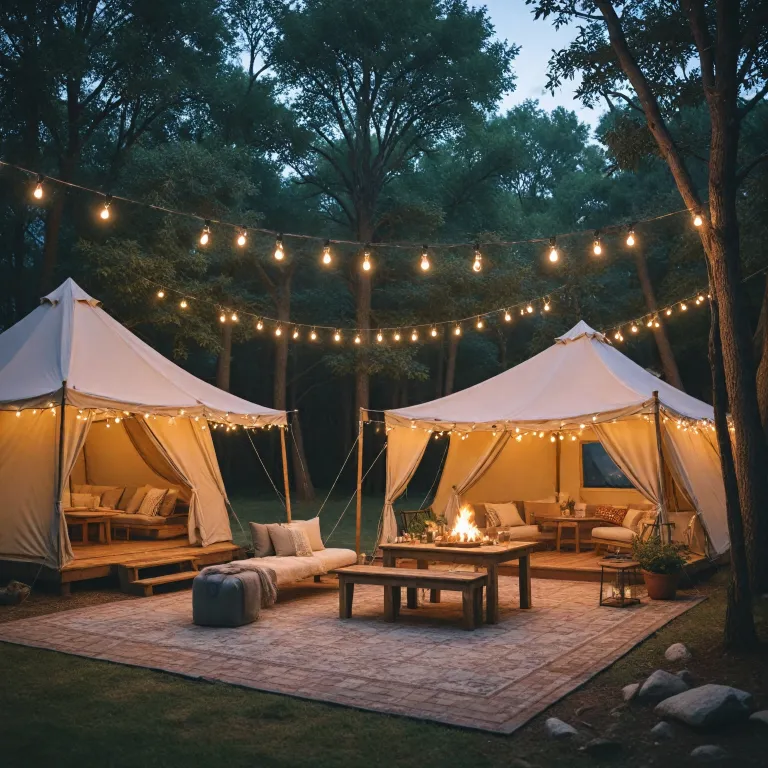
Understanding luxury campground power supply expectations
For premium campers, a reliable campground power supply is as essential as fine linens. As RVs and glamping suites add induction hobs, heated floors, and high end entertainment, the demand for stable electrical power quietly reshapes site design. Luxury travelers now evaluate a campground’s power source with the same scrutiny they once reserved for a five star lobby.
Across the United States, most upscale parks provide electrical pedestals with 20 amp, 30 amp, and 50 amp outlets, yet not all power output is managed equally. The National Electrical Code works with the RV Industry Association to ensure that each power supply pedestal, cord, and transfer switch meets strict safety standards for low voltage protection and grounding. Campground owners increasingly highlight their compliance with these standards to reassure guests who travel with sensitive electronics and high capacity appliances.
In this segment of the market, solar power is no longer a novelty but a strategic layer of backup power. Guests arrive with their own solar panels, a portable generator, or a compact battery solar station, expecting seamless charging options at every pitch. When a resort style campground can offer both grid based electrical power and integrated solar panel arrays, it signals a commitment to reliable power that resonates with discerning travelers.
Luxury guests also expect clear, english language documentation about every power grip, switch, and outlet. Before booking, they want to know the exact type of hookup, the maximum power output, and whether a transfer switch is installed in on site RVs. This level of transparency transforms a simple power cord into part of the overall premium experience.
Planning your stay around campground power infrastructure
When planning a high end camping trip, start by mapping your energy needs against the campground power supply on offer. A couple in a compact campervan may only require a modest power charge, while a family in a large motorhome with air conditioning, induction cooking, and multiple screens will need far greater capacity. Understanding your expected electrical power draw helps you select the right pitch and avoid tripping breakers during peak usage.
Upscale booking platforms now allow guests to filter by power supply type, from standard 20 amp posts to 50 amp pedestals with integrated low voltage monitoring. Many also highlight whether sites support solar power integration, making it easier to connect portable solar panels or a battery solar generator without improvisation. This level of detail is particularly valuable when you are comparing exclusive campgrounds and luxury camping and premium sites for your next trip.
Before arrival, confirm whether the campground offers a dedicated power cord for each pedestal or expects guests to bring their own. Some luxury parks provide premium, heavy duty cords and a clearly labeled switch at each post, while others simply guarantee a standard outlet and leave accessories to the camper. In either case, knowing the exact cord length required and the connector type avoids last minute shopping detours.
For travelers who value redundancy, consider pairing the site’s electrical power with a portable generator or compact battery solar station. This combination ensures backup power for essential systems if a storm affects the grid or a local outage reduces power output. Thoughtful planning around power source diversity allows you to maintain comfort without compromising the quiet, refined atmosphere that defines premium outdoor stays.
How modern RVs and glamping units use campground power
Today’s luxury RVs and glamping tents behave more like compact villas, drawing significant campground power supply to support their amenities. High end rigs often combine a shore power cord, an onboard generator, and a roof covered in solar panels to create a flexible power source ecosystem. Inside, a sophisticated transfer switch manages which power supply feeds the system at any given moment.
As electrical systems grow more complex, the National Electrical Code has moved to strengthen safety, stating ; "To enhance electrical safety by detecting grounding issues before allowing power into the RV, preventing potential hazards." This requirement for Ground Monitoring Interrupters means that future RVs will check the quality of the electrical power before engaging the internal circuits. For luxury travelers, that translates into quieter confidence when plugging into unfamiliar pedestals at remote yet premium destinations.
Glamping suites and park model cabins also rely on consistent power output to run underfloor heating, spa style bathrooms, and high end lighting. Many properties now integrate discreet solar power systems and a hidden generator to provide backup power during peak demand or adverse weather. When these systems are paired with a well designed transfer switch, guests rarely notice any change in power charge even if the grid briefly falters.
For travelers seeking curated experiences, platforms such as a gateway to luxury campground stays and curated park experiences increasingly highlight energy infrastructure as a key amenity. Listings may specify the type of inverter, the capacity of the house battery, and whether portable solar panel kits are available to rent on site. This level of detail helps guests align their expectations with the actual power grip and supply capabilities of each property.
Choosing between grid, solar, and hybrid power solutions
For many premium travelers, the ideal campground power supply blends grid electricity with solar power and intelligent storage. A pure grid connection offers strong power output, yet it can be vulnerable to regional outages or low voltage issues during busy holiday periods. By contrast, a hybrid system that includes solar panels, a battery solar bank, and a compact generator offers more resilient and reliable power.
When evaluating a property, ask whether the main power source is a direct grid connection, a local generator, or a hybrid arrangement. Some high end campgrounds in the United States and the United Kingdom now advertise their type solar configuration, specifying how many solar panels they operate and the total capacity of their storage. This information helps guests who travel with sensitive electronics or medical devices to assess the quality of backup power available on site.
Portable solutions also play a growing role in luxury camping, especially for guests who prefer quieter, more secluded pitches. A portable power station with a generous battery and multiple charging ports can handle laptops, cameras, and even small appliances when the main power grip is out of reach. Pairing such a unit with a foldable solar panel allows you to maintain a steady power charge without relying solely on the campground’s electrical power.
Many premium booking platforms now operate an integrated shop where guests can pre order a generator rental, a high capacity power cord, or a solar panel kit as a practical gift card add on. This approach allows travelers to select the exact type of equipment they need and find it waiting at their pitch upon arrival. For hosts, it also ensures that every cord, switch, and power supply accessory meets the same safety and performance standard across the property.
Practical safety and comfort tips for premium campers
Even in the most refined settings, safety remains the foundation of any campground power supply. Before plugging in, inspect the pedestal for visible damage, check that the switch is off, and confirm that the outlet matches your RV’s power cord type. Using a quality surge protector and an energy monitor helps protect both your equipment and the campground’s electrical power infrastructure.
Luxury travelers often carry a compact toolkit that includes a spare power cord, adapters for different outlet standards, and a low voltage alarm. These accessories are particularly useful when visiting older yet charming properties where the power output may vary between pitches. A portable power station with a robust battery can bridge short interruptions, providing backup power for refrigeration, lighting, and essential electronics.
For guests who value quiet, solar power offers a refined alternative to a traditional generator, especially during early mornings and late evenings. A pair of portable solar panels feeding a battery solar unit can maintain a steady power charge for laptops, phones, and lighting without adding noise to the environment. This approach aligns well with high end campgrounds that prioritize tranquillity and dark sky policies.
When planning multi stop itineraries, consult resources such as luxury outdoor escapes along rivers, coasts, and forests to understand regional differences in power supply. Some destinations emphasize eco friendly type solar setups, while others rely on a robust grid based power source with extensive backup power. Aligning your expectations with each property’s power grip and supply strategy ensures a smoother, more comfortable journey.
How to evaluate power friendly listings on premium booking sites
When browsing a luxury and premium booking website for campgrounds, pay close attention to how each listing describes its campground power supply. High quality hosts will specify the amperage of each outlet, the distance from pedestal to pitch, and whether a power cord is included. They may also outline any transfer switch arrangements for on site RV rentals or glamping units.
Look for mentions of solar power integration, such as roof mounted solar panels on cabins or shared type solar arrays that feed communal facilities. Listings that highlight battery solar storage, generator backup power, and low voltage protection demonstrate a deeper understanding of electrical power management. This level of detail is particularly reassuring for guests who travel with high value electronics or medical equipment requiring reliable power.
Some platforms allow you to filter by energy related amenities, including EV charging, portable power station rentals, and on site shop access for cords and adapters. When a property offers a curated energy package, sometimes even bookable via a digital gift card, it signals a thoughtful approach to guest comfort. In these cases, you can often select the exact type of power supply accessories you need during the reservation process.
Finally, consider the broader context of where you are traveling, whether within the United States or the United Kingdom, and how regional standards may affect the power grip and outlet configuration. Reading reviews that mention power output, charging reliability, and the responsiveness of staff to electrical issues can be invaluable. By combining this feedback with clear, english language listing details, you can confidently choose a campground whose power source matches your expectations for a refined outdoor stay.
Key statistics on campground hookups and power availability
- Approximately 92 % of private campgrounds provide full hookups that include water, electric, and sewer connections, supporting higher campground power supply expectations.
- Around 63 % of private properties offer water and electric hookups, reflecting strong investment in electrical power infrastructure for modern RVs.
- Public campgrounds lag slightly, with about 59 % providing electric hookups and only 8 % extending to full sewer connections alongside the main power source.
Essential questions about campground power for luxury travelers
What are the common types of electrical hookups at campgrounds ?
Campgrounds typically offer 20 amp, 30 amp, and 50 amp electrical hookups to accommodate various camping equipment. For luxury RVs with multiple air conditioning units and high demand appliances, a 50 amp power supply is usually recommended. Smaller campervans and glamping pods often operate comfortably on 20 amp or 30 amp outlets, especially when supported by solar power or a portable battery.
Why is the NEC requiring Ground Monitoring Interrupters in RVs ?
The NEC requirement for Ground Monitoring Interrupters aims to enhance safety by checking the quality of the electrical power before it enters the RV. If a grounding fault or wiring issue is detected at the pedestal, the system prevents power charge from flowing, reducing the risk of shocks or equipment damage. This measure is particularly important for luxury travelers who rely on a complex mix of grid, generator, and solar power sources during extended journeys.
What percentage of private campgrounds offer full hookups ?
Approximately 92 % of private campgrounds offer full hookups that include water, electric, and sewer connections. For guests booking through premium platforms, this high percentage means it is usually possible to select sites with robust campground power supply and modern waste management. However, it remains wise to verify the exact power output, outlet type, and any available backup power solutions before finalizing a reservation.
References
- RV Industry Association – Campground Industry Market Analysis
- National Electrical Code – Standards for Recreational Vehicle Parks
- RV Industry Association – Electrical Systems and Safety Guidelines for RVs