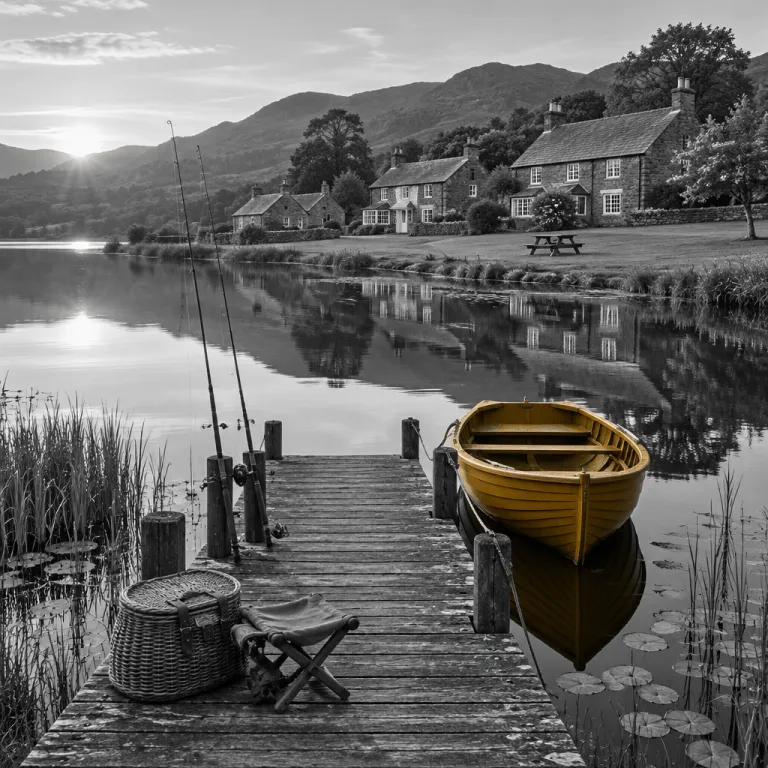
Lake District cottages for fishing in serene waterside settings
Lake District cottages for fishing offer a refined way to stay close to the water while enjoying hotel-level comfort. These retreats sit beside a river, tarn, or lake where casting is often possible directly from the garden or private jetty, giving anglers an effortless start to each day. Many estates combine a traditional stone cottage with landscaped grounds, a nearby lodge-style cabin, and access to managed fishing lakes where stocking schedules, bank maintenance, and catch limits are clearly set out for guests.
When you browse a luxury booking website for campgrounds or lakeside stays, pay close attention to the details about each holiday cottage and its access to a fishing lake or nearby river. Listings that mention a private fishing peg, numbered swims, or a short, level walk to the water usually indicate that the owners actively manage the fish stocks and maintain the banks. Look for clear information about whether the cottage sleeps two, sleeps four, or sleeps people in larger groups, and whether the bedrooms are arranged as a double bedroom, a twin bedroom, or a mix of both, so that everyone in your party has a comfortable place to unwind after time on the water.
Some of the most desirable Lake District cottages for fishing sit within or just beyond the boundary of the national park, where the views from the terrace or garden can be spectacular. Around lakes such as Ullswater, Coniston Water, and Bassenthwaite, a premium cabin or log cabin beside the shore may feature a private deck, a hot tub, and a sheltered area for drying waders and tackle after a long day. When a listing invites you to view property photos, study how close the cabin or cottage stands to the lakes, how easy the path looks, and whether the water access appears safe for both adults and children.
Hidden gem waters: rivers, lakes, and quiet corners of the park
While Windermere and Derwentwater attract most visitors, many serious fishing guests prefer quieter fishing lakes scattered across the wider national park. Smaller tarns and lesser-known waters such as Esthwaite Water or Devoke Water often provide calmer conditions, fewer boats, and a more relaxed atmosphere for fishing holidays focused on peace rather than crowds. When a cottage or lodge advert mentions that the fishing lake is reserved for guests only, this usually means a more exclusive and tranquil experience with limited day tickets and clearly posted rules.
Rivers in the Lake District can be just as rewarding as the lakes, especially for guests who enjoy moving water and varied species. Stretches of the River Derwent, River Eden, and River Kent, for example, are known for trout and grayling under local club control. When you read that a holiday property sits on a river bank, check whether the listing specifies private fishing rights, catch-and-release rules, and any permits required by the local angling association. A cottage that offers direct access to a river with a defined beat or well-marked pools can be ideal for guests who want to fish early, return to a hot breakfast, and then head back to the water later in the day.
Luxury campgrounds and cabin parks increasingly blend lakeside pitches with high-end cabins and cottages, giving guests more choice in how they stay near the water. Some of these parks also welcome dogs and provide elegant dog-friendly cabins, which you can explore through a refined escape guide at elegant dog friendly cabins near you for a refined escape. When comparing options, consider whether you prefer a secluded log cabin with a private hot tub overlooking a fishing lake, or a larger holiday cottage within a park that offers shared facilities, a small shop, and guided fishing experiences with local ghillies or instructors.
From Norfolk Broads to Wroxham: linking lake district stays with other waters
Many travellers who love Lake District cottages for fishing also feel drawn to the gentle waterways of the Norfolk Broads. While the landscapes differ, both regions reward guests who value calm water, slow travel, and the simple pleasure of watching light move across lakes and rivers. If you split your holiday between the Lake District and the Norfolk Broads, you can enjoy stillwater fishing in the north and relaxed river cruising in the east, comparing wild-feeling Cumbrian lakes with reed-fringed Broads such as Hickling or Barton.
When researching the Norfolk Broads, you will often see references to Wroxham, Wroxham Norfolk, and the River Bure, which flows through this popular boating hub. A cottage in Wroxham or a cabin near the River Bure can offer private fishing from the garden, especially if the property includes a mooring or a deck that extends over the water. Look for listings that describe a holiday cottage with a twin bedroom and a double bedroom, because this layout suits both families and small groups of anglers who may bring different tackle setups or prefer separate sleeping arrangements.
Some travellers choose a cottage in Wroxham as a base for exploring the wider Norfolk Broads, then return later in the year to a Lake District lodge or log cabin beside a fishing lake. This pattern allows you to compare the slow-moving water of the Broads with the more dramatic lakes and rivers of the national park, refining your preferences for future fishing holidays. For insight into how protected waters and wildlife can shape camping access, the story of wolves affecting campground operations at Isle Royale is explored in the article wolves closed two Isle Royale campgrounds this summer, which highlights how sensitive ecosystems and visitor demand must be balanced carefully.
What to look for in a luxury fishing cottage or cabin
When evaluating Lake District cottages for fishing on a premium booking website, start with the structure and layout of the property. A well-designed cottage or cabin should offer a generous living area, a fully equipped kitchen, and at least one comfortable double bedroom with high-quality linens. For groups, a second twin bedroom or additional bedrooms ensure that the property sleeps people comfortably without feeling crowded, and floor plans or 3D tours can help you visualise how easily you can move between the boot room, bathroom, and outdoor areas.
Outdoor features matter just as much as interior comfort for fishing-focused stays. Many high-end cabins and cottages now include a private hot tub on a deck with a lake or river view, allowing guests to relax muscles after a long day by the water. When a listing mentions a hot tub, check whether it is screened for privacy, whether it overlooks the fishing lake or river, and whether there are rules about quiet hours in the surrounding park. Image captions and alt text that reference “lakeside hot tub with private fishing peg” or “riverside terrace beside casting platform” can also help you understand how the space is arranged.
Storage and practical details can make or break a fishing holiday, especially for guests bringing their own equipment. Look for a log cabin or lodge that offers a secure shed or utility room for rods, waders, and bait, along with an outdoor tap for rinsing gear. If the property description notes a short walk to the water, try to confirm whether the path is level, whether lighting is provided for early starts, and whether the banks of the fishing lakes are well maintained and safe in wet weather. A simple pre-trip checklist can help: confirm licences and permits, check maximum group size and bed layout, review access notes for the peg or jetty, and ask the host about typical species and any seasonal restrictions.
Booking strategies on luxury campground platforms
Premium booking websites for campgrounds now present Lake District cottages for fishing alongside high-specification cabins, lodges, and glamping tents. To navigate these options efficiently, use filters for private fishing, hot tub access, and proximity to a lake or river. This approach narrows the results to properties where angling is central to the experience rather than an afterthought, and can reveal smaller lakeside cottages that might otherwise be buried among larger holiday parks.
Carefully read the details section of each listing, paying attention to how the host describes the water access and the surrounding park. Terms such as well-stocked trout lake, exclusive use for guests, or private fishing peg usually indicate a more curated angling environment with regular stock checks and clear bag limits. If the listing invites you to view property maps or diagrams, use them to understand how far the cottage or cabin sits from the lakes, where parking is located, and whether any other buildings overlook your chosen spot, which can affect both privacy and early-morning casting.
Flexible dates can unlock hidden-gem locations that rarely appear in peak-season searches. Some of the most atmospheric holiday cottage stays occur in shoulder seasons, when the national park is quieter and the water is less disturbed by boats. Before confirming, check cancellation policies, any requirements for fishing permits, and whether the property sleeps the right number of people in a mix of double bedroom and twin bedroom arrangements that suit your group. One guest summed up the appeal of a midweek autumn stay by noting that “the lake felt almost private, with mist on the water at dawn and only the sound of the reel breaking the silence.”
Safety, sustainability, and the future of waterside stays
Responsible fishing and thoughtful property management are increasingly central to luxury waterside stays in the Lake District and beyond. Many owners now work with local angling clubs to keep fishing lakes well stocked while protecting native species and fragile riverbanks. Guests benefit from clearer guidance, better maintained access points, and a higher chance of memorable catches during their fishing holidays, whether they are targeting stocked rainbow trout or wild brown trout under catch-and-release rules.
Safety should guide every decision when choosing Lake District cottages for fishing, especially for families and less experienced anglers. When a listing mentions a short walk to the water, confirm whether the path is fenced, whether life rings or safety equipment are provided, and whether the banks of the river or lake are prone to sudden changes in depth. Properties that take the time to outline these details in their descriptions often show the same care in how they maintain the cabin, lodge, or holiday cottage itself, and may also provide welcome folders with emergency contacts, local weather advice, and guidance on wading safely.
Climate change and shifting visitor patterns are already influencing how national park authorities and private owners manage access to lakes and rivers. For example, large-scale wildfire closures in protected areas, such as those reported in the article about the reopening of the Boundary Waters after a major wildfire at Boundary Waters reopens after the largest wildfire closure, highlight how quickly conditions can alter travel plans. By choosing properties that respect local regulations, support conservation, and provide transparent information about water safety, guests help ensure that future generations can enjoy the same tranquil views fishing from a lakeside terrace or riverside garden.
Key statistics about lakeside stays and fishing travel
- According to VisitEngland’s domestic tourism surveys, countryside and village trips, including stays near lakes and rivers, consistently account for around one quarter of all overnight holiday visits in England, underlining the enduring appeal of waterside breaks and rural getaways (VisitEngland, 2019–2022 trend summaries).
- Environment Agency data for England indicates that more than 900,000 rod licences are typically held by anglers each year, demonstrating a substantial audience for fishing holidays that combine quality waters with comfortable accommodation and easy access to pegs or jetties (Environment Agency annual rod licence statistics, 2021–2023).
- Research by the Lake District National Park Authority reports that the park welcomes millions of visitors annually, with water-based activities such as boating, paddle sports, and fishing forming a significant share of leisure pursuits on the main lakes and larger reservoirs (Lake District National Park Authority visitor reports, 2018–2023).
- VisitBritain insights show that short breaks of one to three nights represent a growing segment of domestic travel, which aligns closely with demand for compact Lake District cottages for fishing that can be booked for long weekends or spontaneous midweek escapes (VisitBritain domestic trends analysis, 2020–2023).
FAQ about Lake District fishing cottages and luxury campgrounds
Are Lake District fishing cottages suitable for guests who do not fish ?
Yes, many Lake District cottages for fishing also appeal to non-anglers because they offer scenic views, comfortable interiors, and easy access to walking routes. Non-fishing guests can enjoy the tranquillity of the lakes, spa-style features such as a private hot tub, and nearby cultural attractions including historic houses and lakeside cafes. When booking, look for properties that balance fishing facilities with broader amenities like gardens, terraces, and proximity to villages.
Do I need a licence to fish when staying in a Lake District cottage ?
In most cases, you need an Environment Agency rod licence to fish in the Lake District, even when staying at a private property. Some fishing lakes and rivers also require day tickets or club permits, which may be arranged through the cottage owner or a local tackle shop. Always confirm licence requirements before arrival to avoid fines and to ensure you comply with local regulations, especially if you plan to fish multiple waters during a single stay.
How close are luxury fishing cottages to the water ?
The distance to the water varies widely between properties, from cottages with gardens that run directly to a fishing lake, to cabins that are a short walk away along a maintained path. Premium booking listings usually specify whether the property offers direct private fishing or shared access within a park. Study maps and photos carefully to understand the exact layout before you reserve, and look for phrases such as “private jetty,” “lakeside terrace,” or “riverside bank opposite the cottage” for extra clarity.
What should I look for in a family friendly fishing lodge or cabin ?
For families, prioritise properties with clear safety measures around the lake or river, such as fenced areas, gentle banks, and visible life-saving equipment. Inside, a mix of double bedroom and twin bedroom layouts works well for parents and children, while durable flooring and practical storage help manage wet gear. Check whether the lodge or log cabin also offers non-fishing activities nearby, such as easy walking trails, small play areas, or access to a wider holiday park with indoor spaces for rainy days.
Can I bring my dog to a Lake District fishing cottage or campground ?
Many luxury campgrounds and some Lake District cottages for fishing welcome well-behaved dogs, often with specific rules about leads near livestock and wildlife. Dog-friendly cabins and cottages may provide enclosed gardens, outdoor taps, and easy access to footpaths away from busy roads. Always confirm pet policies, any extra cleaning fees, and local restrictions before booking to ensure a smooth stay for both you and your dog, and to protect sensitive habitats along the shoreline.