Why a refined stove jack matters in luxury camping tents
For high end camping tents, the quiet hero of winter comfort is the discreet stove jack. This heat resistant component creates a safe exit for a stove pipe, allowing a powerful wood stove to warm a canvas tent without compromising elegance. In luxury camp settings, a well specified jack kit turns a simple stove tent into a four season retreat.
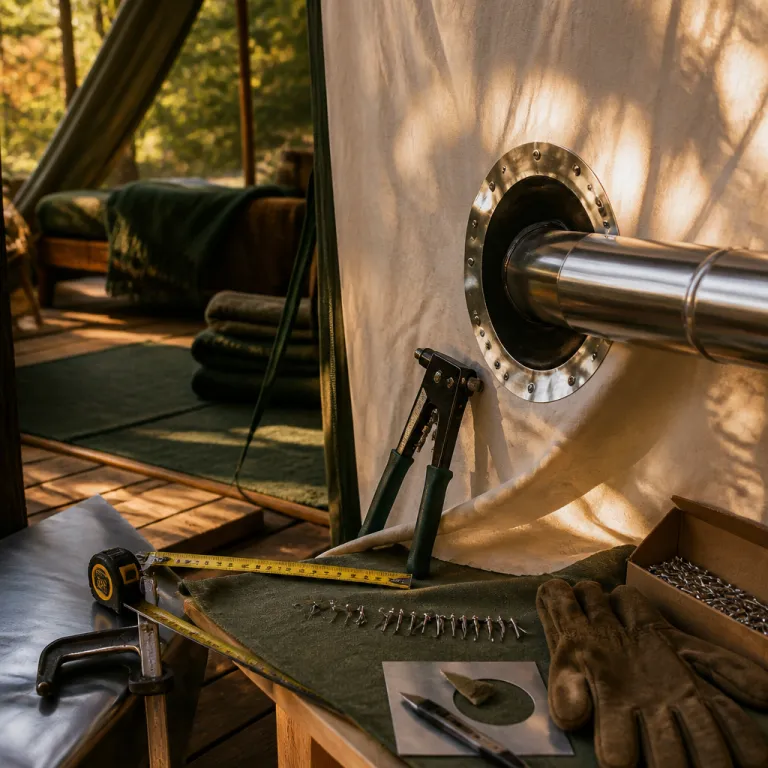
A stove jack is a heat resistant opening integrated into the tent wall or roof, designed so a flue pipe can pass through without scorching the surrounding canvas. It combines a rigid or semi rigid frame, a protective flap, and a carefully engineered pipe flashing system that keeps heat away from the fabric while guiding smoke outside. When properly installed, it allows a tent stove to operate with the same confidence you expect from a stainless steel chimney pipe in a premium chalet.
On a luxury and premium booking website for campgrounds, the presence of one or several stove jacks is now a decisive filter for winter guests. Travellers comparing bell tent suites, yurts, and canvas lodges will often prioritise units that feature a professionally installed exit stove system with a triple wall pipe section near the fabric. They are not only comparing the nightly price; they are assessing how the product balances romance, safety, and all season practicality for their next camp escape.
Designing unique tent layouts around the stove jack
Thoughtful tent design starts with the position of the stove jack and the path of the stove pipe. In a circular bell tent, placing the jack slightly off centre keeps the wood stove away from sleeping zones while preserving a generous circulation area. Rectangular camping tents often benefit from a wall pipe exit that frees the central space for lounge furniture and elevated bedding.
Architects working on premium canvas tent collections treat the jack kit as a structural anchor, not an afterthought. They map the flue pipe route, the chimney pipe clearances, and the protective pipe flashing before finalising window placement or the size of the entrance flap. This approach allows them to integrate sculptural tent stove models, sometimes with exposed stainless steel sections, that become visual focal points rather than purely functional camping hardware.
For guests browsing inspiration on elevated outdoor stays, layouts that showcase the stove jack area feel especially reassuring. A detailed floor plan that marks the exit stove location, the safe radius around the wood stove, and the orientation of beds and armchairs signals professional risk management. If you are exploring serene bubble or dome style stays, you can still look for similar principles in how the heating exit is handled, as shown in many refined concepts highlighted in this guide to serene bubble dome stays for elevated outdoor luxury.
Materials, safety, and the role of silicone in stove jacks
Material choice around the stove jack defines both safety and aesthetics in a luxury canvas tent. High quality jacks use silicone coated fibreglass or fire resistant canvas around the opening, paired with a flexible kit silicone gasket that hugs the stove pipe. This combination tolerates high temperatures while protecting the surrounding tents from stray sparks or radiant heat.
Guests evaluating a premium bell tent or yurt on a booking platform should pay attention to how the flashing kit is described. Look for mentions of triple wall chimney pipe sections near the fabric, stainless steel components where the flue pipe meets the jack, and a robust pipe flashing collar that sheds rain away from the exit. These details indicate that the operator has invested in professional grade tent stove infrastructure rather than a basic camp solution.
Safety guidance from specialist manufacturers is clear on this point; “Ensure stove jack is properly installed, Use compatible stove pipes, Regularly inspect for wear.” Brands such as Winnerwell, Esker, and Snowtrekker echo similar advice in their user manuals, and many reference general solid fuel standards like UL 1482 (North America, room heaters) or EN 13240 (Europe, residential solid fuel appliances) for combustion appliances. When you read that a canvas tent has undergone such checks, or that components follow guidance derived from these benchmarks, you can trust the product to perform during long camping stays in cold conditions. For travellers who value both design and rigour, this blend of silicone technology, engineered flashing, and disciplined maintenance is what elevates a simple camp into a refined retreat.
Luxury booking filters: how to read stove jack details online
On a sophisticated booking website for campgrounds, the way a host describes the stove jack reveals their level of expertise. Listings that simply mention a stove may leave you guessing about the jack kit, the wall pipe configuration, or whether the chimney pipe is properly shielded. By contrast, premium operators specify the diameter of the stove pipe, the type of pipe flashing, and the materials used around the exit stove opening.
When comparing bell tent suites, canvas tent lodges, and yurts, start by scanning the amenities section for tent stove information. A clear note that the product includes a certified wood stove, a professionally installed flashing kit, and a triple wall section where the flue pipe passes through the fabric is a strong indicator of quality. Some listings even highlight that the jack and related components are sized around an average opening of about 5 inches to 6 inches (roughly 12.5 to 15 centimetres), which aligns with the flue diameters commonly offered by specialist tent stove manufacturers.
Luxury focused platforms increasingly allow hosts to tag features such as camping tents with integrated stove jacks or cabins with stainless steel chimneys. Use these filters to narrow your search to properties that treat heating as a core design element, not a seasonal add on. When you reach the mid stage of planning, detailed property pages such as the refined lodging options near Yosemite National Park on this Yosemite area campground and lodge guide can serve as benchmarks for the level of technical transparency you should expect.
Guest experience: how a well placed stove jack shapes your stay
The emotional impact of a well designed stove jack becomes clear the moment you enter a warmed canvas tent after a cold hike. A compact wood stove glows in the corner, its stainless steel flue pipe rising cleanly through the jack, while the rest of the space remains uncluttered and calm. You feel the comfort of a hotel suite, yet the subtle crackle of wood reminds you that you are still immersed in camp life.
In a luxury bell tent, the position of the exit stove opening influences everything from furniture layout to how you watch the sunrise. Place the jack too low on the wall pipe section and you may lose valuable space for a chaise longue or writing desk; position it thoughtfully and you gain a cosy reading nook framed by the stove and a generous canvas window. Yurts with central stove jacks often create a circular social zone around the fire, turning the wood stove into a natural gathering point for late night conversations.
Guests also notice the small functional touches around the jack area. A neatly stitched flap that can be secured when the stove pipe is removed keeps the tent weather tight during warmer seasons, extending the product’s versatility. When operators combine such details with clear instructions on using the tent stove and caring for the flashing kit, they transform a simple camping feature into a signature element of the overall stay.
From booking to arrival: practical checks for stove jack comfort
Once you have reserved a luxury canvas tent with a stove jack, a few practical checks on arrival will help you enjoy the stay with confidence. Start by confirming that the jack kit sits firmly in the fabric, with no gaps where the chimney pipe passes through the pipe flashing. The area around the exit stove opening should feel cool to the touch when the wood stove is running at a normal camp heating level.
For quick reference, think in terms of a simple arrival checklist: (1) the flue pipe passes straight through the jack without rubbing the canvas, (2) the protective flap closes fully when the stove pipe is removed, (3) any visible silicone gasket or collar looks intact rather than cracked, and (4) a fire extinguisher or sand bucket is within easy reach. These small visual checks take less than a minute and provide immediate reassurance about the installation.
Look for a clear operating guide near the stove, ideally with diagrams showing how the flue pipe segments connect and how the triple wall section aligns with the jack. Many high end camping tents now include a small maintenance kit silicone tube or spare flashing gasket, which signals that the operator anticipates long term use. If the listing promised free delivery of firewood or a curated wood bundle, verify that the quantity matches the price level and the expected duration of your camping stay.
For travellers considering future trips, note how this property handles seasonal transitions around the jack area. Some canvas tent hosts remove the stove pipe entirely in summer and secure the flap over the opening, while others keep a decorative stainless steel cap in place to maintain the silhouette. When you later browse other refined outdoor stays, such as the curated safari glamping tent escapes for refined outdoor travellers, you will be better equipped to read between the lines of each product description and judge whether the stove jacks are treated with the same level of care.
Key figures and technical insights about stove jacks in luxury tents
- Specialist manufacturers report that the average stove jack opening diameter is typically matched to compact flue pipes in the 5 inch to 6 inch range, a size that balances efficient drafting with compatibility for portable wood stove models used in premium tents (for example, the 5 inch systems offered by brands such as Winnerwell and the 6 inch options from several canvas tent producers).
- In cold climate glamping resorts, internal audits and operator case studies often show that units equipped with professionally installed jack kits and triple wall chimney pipe sections achieve higher winter occupancy rates than similar tents heated only by electric systems, because guests value the authentic flame experience and perceive the installation as more robust. As an indicative figure, several operators presenting at recent outdoor hospitality conferences have reported winter occupancy uplifts in the range of 10–20% after upgrading to visible wood stove and jack systems, although exact results vary by region and price point.
- Industry surveys among luxury campground operators, including informal polls shared at trade events like the Glamping Show UK and regional outdoor hospitality conferences, indicate that properties offering clear technical descriptions of their stove jacks, including materials such as silicone coated fibreglass and fire resistant canvas, receive fewer safety related guest queries before arrival. While these surveys are not peer reviewed, they provide useful directional insight into how transparency around heating systems can reduce pre stay friction.
- Many high end camp venues now schedule visual inspections of each stove jack and associated wall pipe or pipe flashing at least once per peak season, which significantly reduces the risk of fabric damage or smoke leakage compared with ad hoc checks. A practical checklist often includes verifying minimum clearances of 6 inches to 18 inches (15 to 45 centimetres) between hot pipes and any combustible surfaces, confirming that high temperature silicone seals are rated to around 260–300 °C, and ensuring that all components follow the installation guidance supplied by the stove and tent manufacturers.
FAQ about stove jacks in luxury and premium campgrounds
What exactly is a stove jack in a luxury tent ?
A stove jack in a luxury tent is a heat resistant opening built into the canvas or wall panel that allows a stove pipe or flue pipe to pass safely to the outside. It is designed so the hot chimney pipe never touches the tent fabric, using materials such as silicone coated fibreglass or fire resistant canvas. In premium camping tents, the jack is usually paired with a triple wall section and robust pipe flashing to meet higher safety expectations.
What materials are stove jacks made from ?
Typically silicone-coated fiberglass or fire-resistant canvas. These materials tolerate the high temperatures generated by a wood stove while protecting the surrounding tents from heat damage. In luxury applications, they are often combined with stainless steel collars and high grade kit silicone seals for a refined finish.
Can a stove jack be installed in any tent offered on a booking site ?
A stove jack can be installed in many types of tents, but the base fabric and structure must be compatible with the heat and weight of a stove system. Responsible operators work with tent manufacturers or specialised installers to ensure that the canvas tent or yurt can safely accommodate a jack kit, wall pipe, and flashing kit. When browsing a booking website, look for listings that explicitly state the tent was designed or modified by professionals for use with a tent stove.
Are stove jacks safe for families staying in luxury campgrounds ?
When properly installed and maintained, stove jacks are considered safe for family stays in luxury campgrounds. The key is that the stove pipe and chimney pipe components match the jack specifications, the exit stove opening is shielded with appropriate pipe flashing, and clear usage instructions are provided. Guests should still supervise children around any wood stove, just as they would near a fireplace in a hotel suite.
What should I check about the stove jack before lighting the stove ?
Before lighting the stove, confirm that the flue pipe is firmly seated in the jack, that all triple wall or insulated sections are correctly aligned with the fabric, and that the exterior flashing kit is intact. Inspect the flap or cover around the jack for signs of wear, and ensure no part of the canvas touches the stainless steel pipe. If anything appears loose or damaged, contact the campground équipe immediately rather than attempting a repair yourself.