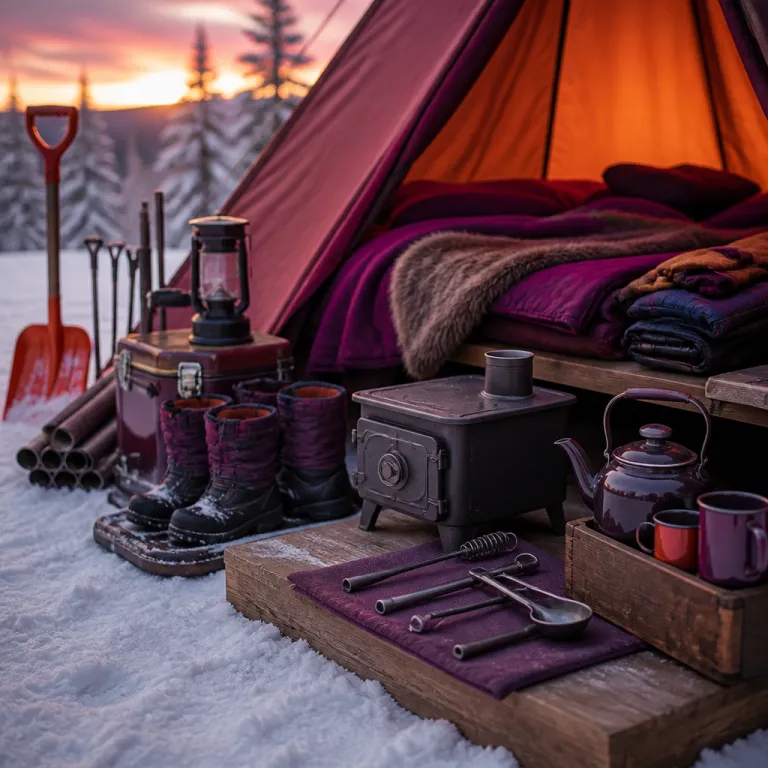
What a hot tent is and why luxury travelers are booking them
A hot tent is a carefully engineered shelter that safely integrates a wood burning stove for warmth and cooking during cold weather camping. This type of tent transforms winter camping into a refined experience, because the controlled heat allows guests to enjoy snow covered landscapes in genuine comfort. For luxury and premium booking platforms, understanding what a hot tent offers helps you choose tent camping options that rival an upscale mountain lodge.
Unlike regular tents, a true hot tent includes a reinforced stove jack, which is the fire resistant opening where the chimney exits the fabric roof or wall. The tent fabric is usually treated canvas or advanced synthetics that tolerate sustained heat from wood stoves without degrading quickly. When a tent arrives at a high end campground, the management team will often complete a professional setup so the tent will meet strict safety standards for indoor heating and sleeping.
From a guest perspective, the question is not only what is a hot tent, but how it feels to live inside one during a harsh winter night. The answer lies in the combination of insulated floor systems, carefully planned tent features, and the radiant warmth of a compact tent stove. In a well designed wall tent or bell tent, the heat from the wood stove turns a potentially cold and hostile environment into a serene, beige and forest green retreat that feels surprisingly close to a small chalet. As one repeat guest at a Scandinavian style campground put it, “It feels like staying in a tiny mountain lodge, only the walls are canvas and the stars feel twice as close.”
Key tent features that define modern hot tents for premium stays
Several tent features separate modern hot tents from regular tents that you may have used in summer. The most critical is the integrated stove jack, which must be precisely positioned to keep the chimney away from fabric while allowing efficient draft for the stove. Manufacturers and luxury campgrounds work together so each tent will balance safety, heat retention, and elegant interior layouts suitable for discerning travelers.
Inside a high quality hot tent, you will usually find a raised floor system that keeps sleeping areas dry and insulated from frozen ground. Many premium sites add real beds, thick mattresses, and layered textiles, so tent camping feels closer to a high end hotel suite than to a basic campsite. When guests ask what is a hot tent in the context of luxury travel, the answer often includes these interior comforts as much as the technical integration of stoves and chimneys.
Designers also play with aesthetics, offering canvas in soft beige tones or deep forest green to complement snow, pine trees, and lakeside views. Some properties pair hot tents with transparent domes or panoramic structures, similar in spirit to serene bubble dome stays for elevated outdoor luxury experiences described on this inspiration guide. The result is a curated collection of tents and hot tents that feel intentional, where every stove, floor covering, and sleeping arrangement supports both comfort and visual harmony.
Bell tent, wall tent, and regatta bell styles for luxury hot tent setups
When browsing a premium booking website for campgrounds, you will often see several tent shapes used as hot tents. The bell tent is a circular design with a central pole and sloping walls, which creates a spacious, airy interior that suits couples or small families seeking a romantic winter camping escape. Many luxury operators choose a regatta bell model or similar bell tents because the geometry channels heat efficiently from a central wood stove toward every sleeping zone.
For guests who prefer more traditional architecture, the wall tent offers straight side walls and a rectangular floor plan that feels closer to a cabin. This style of hot tent allows clear separation between the stove area, the dining corner, and the sleeping section, which appeals to travelers used to hotel room zoning. When you compare what is a hot tent in bell tent form versus a wall tent, the choice is mainly about interior atmosphere rather than basic performance, because both can host powerful stoves and robust stove jacks.
Premium campgrounds sometimes offer a tent bundle that includes a preheated bell tent, a stocked wood pile, and a guided setup briefing from a resident pro. Technical accessories such as elevated tarp pole design systems, described in detail for luxury campgrounds on this dedicated page, help stabilize canvas in strong winds and heavy snow. Whether you choose bell tents, wall tents, or hybrid hot tents, the booking interface should clearly list tent features, floor dimensions, and stove specifications so you can match the unit price to your expectations for space and comfort.
Pricing, value, and what luxury guests should expect from hot tent bookings
Understanding price structures helps you evaluate whether a hot tent stay offers fair value compared with a premium hotel room. Market research shows that the average cost of a standalone hot tent suitable for winter camping typically falls in the mid hundreds of USD, which explains why many travelers prefer to book rather than buy tent equipment outright. When you see a regular price or a special unit price listed on a booking platform, remember that it usually includes not only the tent but also the stove, the insulated floor, and professional setup.
Luxury campgrounds often differentiate between regular season and peak winter season pricing, because demand for hot tents rises sharply when temperatures drop. A listing might show a regular price in price USD for shoulder months, then a higher price when cold weather and snow create the most atmospheric conditions. Transparent platforms will break down what is a hot tent package by item, explaining whether the tent bundle includes unlimited wood for the wood stove, guided activities, or gourmet meal deliveries.
For travelers used to hotel booking engines, it helps to think of each hot tent as a self contained suite with its own heating infrastructure. The tent will usually be pre warmed before check in, and staff will explain how the stove and chimney operate, including safety checks and ventilation routines. When a tent arrives from manufacturers, campground teams inspect stoves, stove jacks, and floors regularly, so guests can focus on sleeping well and enjoying the winter landscape rather than worrying about technical details.
Safety, comfort, and the reality of winter camping in hot tents
Safety is central to any serious discussion of what is a hot tent, especially for guests new to winter camping. Operators follow strict protocols, because a hot stove inside fabric walls demands careful ventilation and constant attention to clearances. Official guidance emphasizes three core practices for guests and staff alike: ensure cross ventilation to prevent carbon monoxide buildup and use a battery powered CO detector near sleeping areas, place a fireproof mat under the stove that is rated for high temperatures and extends at least 18 inches (about 45 cm) beyond the firebox on all sides, and maintain a minimum clearance of roughly 18–24 inches (45–60 cm) between the stove, chimney pipe, and any combustible fabric or furnishings.
When these measures are respected, hot tents are considered safe for overnight sleeping in very cold weather. The combination of a well tuned tent stove, a properly installed stove jack, and a fireproof floor mat keeps heat where it belongs while channeling smoke outside. Booking platforms that specialize in luxury campgrounds usually highlight these safety routines, because they know that many hotel guests are trying tent camping for the first time and need reassurance.
Comfort goes beyond temperature, and thoughtful hosts pay attention to humidity, airflow, and lighting. In a well managed hot tent, the wood stove dries damp clothing and boots while soft lanterns and textiles create a calm, cocoon like atmosphere. Guests often report that winter camping in hot tents feels more restorative than a regular hotel stay, because the rhythm of tending the stove and listening to the wind outside encourages slow, mindful evenings.
How luxury booking platforms curate hot tent experiences and unique tent designs
Specialized booking websites for luxury campgrounds now treat hot tents as a distinct accommodation category rather than a simple tent upgrade. They curate collections that range from minimalist forest green wall tents to expansive beige bell tents with panoramic openings and spa level bedding. When you search what is a hot tent on these platforms, you will usually find rich photography, detailed floor plans, and clear explanations of how the stove and heating system work.
Some properties pair hot tents with elevated hammock net retreats, as highlighted on this overview of elevated hammock net retreats for luxury campgrounds, to create layered outdoor lounges above the snow. Others design regatta bell clusters around shared fire pits, so guests can move between private heated tents and social spaces with ease. This approach helps answer not only what a hot tent is, but how it fits into a broader winter camping itinerary that might include guided snowshoeing, sauna sessions, or stargazing.
From an operational perspective, campground managers coordinate with manufacturers and outdoor equipment partners to refine tent features season after season. They track how quickly each tent arrives from suppliers, how stoves perform in different wind conditions, and how guests rate sleeping comfort compared with regular hotel rooms. Over time, this data driven approach turns hot tents from a niche experiment into a mature, premium product that stands confidently alongside cabins, domes, and other high end outdoor stays.
Key statistics and trends for hot tents in luxury camping
- Market research indicates that the purchase cost of a quality hot tent suitable for winter camping generally ranges from the mid hundreds to around 1,000 USD, which explains why many travelers prefer to book rather than buy tent equipment for occasional trips.
- Outdoor industry surveys suggest that a growing minority of winter campers now use hot tents, and adoption continues to rise as integrated stoves and insulated floors expand the appeal of cold weather camping.
- Specialist retailers confirm a steady rise in demand for wood stove compatible tents, as more luxury campgrounds add hot tents to their accommodation mix to extend their operating season into colder months.
- Safety training organizations note that incidents remain rare when guests follow basic rules for ventilation, stove jack maintenance, and fireproof floor protection, supporting the view that hot tents are safe when used correctly.
FAQ : essential questions about hot tents for luxury travelers
Are hot tents safe for overnight stays in winter ?
Hot tents are considered safe when used with proper ventilation, a correctly installed stove jack, and regular inspections of the stove and chimney. Luxury campgrounds usually train staff to manage these systems and brief guests on safe operation. This professional oversight makes hot tents a reliable option for travelers who are new to winter camping.
Can you cook inside a hot tent during a premium stay ?
Yes, hot tents are designed to allow safe indoor cooking with a stove, provided that cookware is stable and ventilation is maintained. Many luxury sites supply a compact wood stove with a flat cooking surface, along with clear instructions. Guests can prepare simple meals inside while still enjoying restaurant level dining options nearby.
What materials are used in high end hot tents ?
Most premium hot tents use treated canvas or advanced synthetic fabrics that resist sparks and prolonged heat exposure. Structural elements such as poles and frames are often aluminum or steel to handle snow loads and wind. Floors may be insulated vinyl or heavy duty fabric, sometimes layered with rugs to enhance sleeping comfort.
How does a hot tent compare with a regular tent for comfort ?
A hot tent offers dramatically more comfort than a regular tent in cold weather, because the integrated stove provides steady heat and dries moisture. Guests can move around, read, and sleep without heavy outerwear, which is rarely possible in unheated tents. For many hotel oriented travelers, this comfort level is what makes winter camping appealing.
Is a hot tent stay worth the higher price compared with a hotel room ?
For travelers seeking immersive nature experiences, a hot tent stay often justifies its price by combining hotel like comfort with direct access to snow covered landscapes. The rate usually includes specialized equipment, fuel for the stove, and expert setup that you would not want to manage alone. If you value silence, starry skies, and the ritual of tending a wood stove, the experience delivers a distinct form of luxury that hotels cannot replicate.