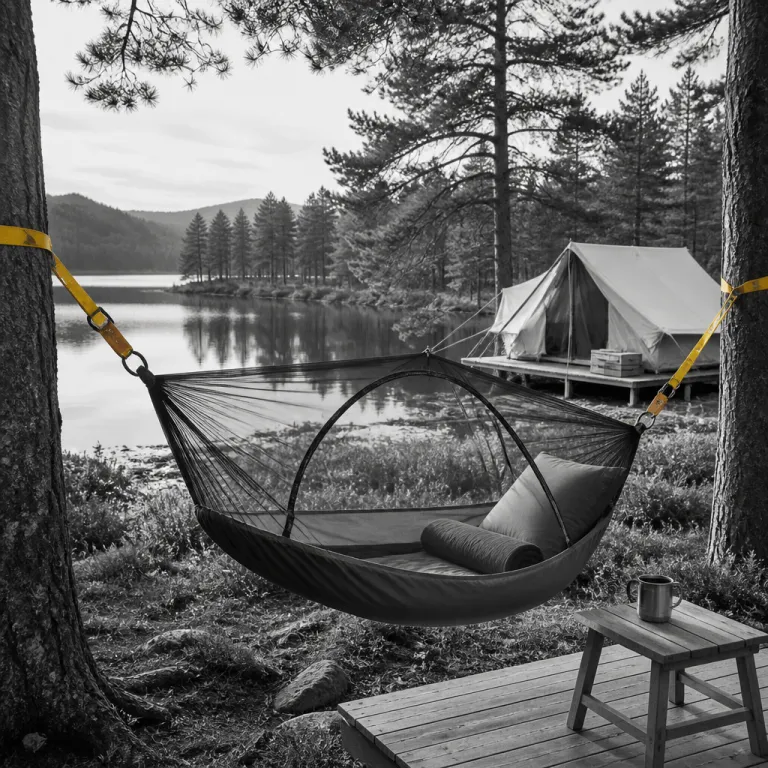
Why refined hammock bug netting matters for luxury eco campgrounds
Guests choosing luxury campgrounds expect a hammock that feels as comfortable as a premium hotel bed. They also expect hammock bug netting that keeps every bug away while preserving the open air feeling that defines high end camping. For operators, this means specifying hammock bug systems that combine discreet insect protection with elegant design and a clear sustainability story.
Modern hammock bug net solutions use ultra fine mesh to create a nearly invisible net barrier around hammocks. When a mosquito or any flying insect hits this mesh net, it stops short of the sleeping area, allowing guests to remain bug free without resorting to heavy chemical sprays. The best camping hammock installations pair this mesh with a stable hammock stand and tree straps that avoid damaging trunks, aligning comfort with eco friendly practice.
Manufacturers such as Kammok, ENO, Hammock Gear, Grand Trunk, Hammock Bliss, Alton Goods, Unigear, and TKO Outdoors now treat hammock bug netting as a core camping gear category. Their hammock bug and mosquito net ranges are designed to enclose both single and double hammock formats, with typical listed weights in the 400–500 gram range according to manufacturer specifications, which keeps each portable hammock lightweight enough for guests to carry between tent, cabin, and shared lounge areas. For luxury booking platforms, referencing these specific product names and technical details builds trust, especially when guests compare the standard of insect net protection between different eco focused campgrounds.
Eco conscious design choices for hammock bug netting in premium listings
When curating a luxury or premium campground on a booking website, the hammock bug net specification should appear alongside mattress type and linen quality. Guests booking high end camping expect to see whether a full bug net or a partial insect net is provided, and whether the hammock mosquito protection is integrated or removable. Clear information about the hammock tent system, including any rain fly and hammock stand, helps travellers compare options as carefully as they would compare suites in an urban hotel.
Eco conscious design starts with materials, so operators should favour hammock net fabrics that are durable yet lightweight, ideally with recycled content where available. A fine mesh around 2,100 holes per square inch, as reported by brands such as Hammock Bliss in their product documentation and similar manufacturer spec sheets, balances airflow with mosquito net performance, which is crucial in warm climates where stagnant air can be more uncomfortable than the occasional bug. Luxury listings should highlight that these net hammocks and camping hammock setups are machine washable where the manufacturer allows it, because easy care extends product life and reduces waste.
Pricing transparency also matters, especially when guests compare the price of a hammock equipped glamping tent to a cabin or RV site. Some campgrounds include hammock bug netting and related camping gear in the base price, while others offer a premium hammock net rental or sale as an optional product with separate shipping or on site purchase. When a booking platform explains whether hammock bug systems are included for free or available as a clearly priced upgrade, it mirrors the clarity travellers now expect from hotel rate breakdowns and other travel related fees.
Integrating hammock bug netting into sustainable campground masterplans
Thoughtful placement of hammocks and hammock bug netting can support a wider sustainability strategy for premium campgrounds. Instead of scattering hammocks randomly, many eco forward sites now design small hammock lounges beneath native trees, using tree straps that protect bark and avoid nails or screws. In these zones, each net hammock or double hammock can share a common rain fly or shade sail, reducing material use while still providing full bug net coverage.
Luxury operators increasingly pair hammock mosquito protection with broader eco infrastructure such as composting toilets, grey water systems, and native landscaping. A booking website that highlights this integration, and links to case studies on topics like campgrounds rewriting the sustainability playbook, helps guests understand how a simple hammock net choice fits into a larger environmental narrative. When travellers see that insect net solutions reduce the need for chemical fogging and single use repellents, they are more likely to value the higher price of a sustainable camping experience.
From an operational perspective, standardising on a family of compatible bug net and mosquito net products simplifies maintenance and reduces waste. Staff can keep a small inventory of spare mesh panels, zippers, and tree straps, repairing a hammock bug system instead of discarding it at the first tear. Over time, this approach lowers both replacement costs and the carbon footprint associated with repeated shipping and delivery of new camping gear, which is a compelling story for eco minded guests comparing different luxury listings.
Guest experience: how hammock bug netting shapes perceived luxury
For many travellers, the first impression of a luxury campground comes from the outdoor lounging areas rather than the bedroom. A row of well tensioned hammocks with pristine hammock bug netting signals care, while sagging net hammocks or tangled insect net cords suggest neglect. Guests notice whether the bug net entry is easy to use in the dark, whether zippers glide smoothly, and whether the mesh feels soft rather than abrasive against the skin.
High end operators now treat hammock mosquito protection as part of their wellness offering, not just a functional add on. A fully enclosed hammock tent with integrated hammock net and rain fly can create a private cocoon for meditation or reading, especially when placed near quiet forest edges or lakefronts. When the mosquito net is transparent enough to preserve views yet dense enough to keep every net mosquito outside, guests experience the landscape as immersive rather than threatening.
Booking platforms can translate these sensory details into concrete filters and descriptions that help travellers choose the right product for their stay. For example, a listing might specify that each portable hammock includes a double layer bug net, tree straps rated to a certain load, and a standard hammock stand for guests who prefer not to hang from trees. Clear notes about whether hammock bug systems are provided for free, available for a limited time promotion, or offered as a paid upgrade help manage expectations and reduce on site friction. As one guest at a coastal eco resort put it, “The hammocks felt as secure and bug free as a screened porch, but I could still hear the ocean and see the stars.”
Operational efficiency, procurement, and the role of online marketplaces
Behind every serene hammock photograph on a booking website lies a chain of procurement decisions. Many campground operators source hammock bug netting and related camping gear through online marketplaces such as Amazon, where product reviews, price comparisons, and free shipping options are easy to access. Others work directly with manufacturers like Kammok, ENO, Hammock Gear, Grand Trunk, Hammock Bliss, Alton Goods, Unigear, or TKO Outdoors to secure trade pricing and consistent stock.
When evaluating suppliers, luxury operators should look beyond the headline price of a single bug net or mosquito net. They need to consider average weight, mesh density, ease of setup, and compatibility with existing hammocks, hammock stand models, and tree straps, because mismatched systems create guest frustration and higher maintenance costs. As one supplier notes in its compatibility guidance, not all hammock bug nets fit every hammock; compatibility depends on hammock size and design, which underscores the importance of standardising hammock bug specifications across a property.
Booking platforms can support this process by encouraging operators to list specific product names, care instructions, and warranty terms. If a campground uses a particular net hammock or double hammock model, stating that it is machine washable where allowed and explaining the expected lifespan builds confidence. Over time, data on guest reviews and incident reports related to hammock bug failures can guide procurement teams toward more durable insect net solutions, reducing both returns and the environmental impact of repeated shipping and delivery cycles.
Marketing hammock bug netting as part of the eco luxury value proposition
For travellers browsing a luxury and premium booking website for campgrounds, hammock imagery often drives emotional engagement. When that imagery is paired with clear explanations of hammock bug netting, mosquito net performance, and overall insect protection, it reassures guests who might otherwise hesitate to book an open air stay. This is especially true for families and first time campers who are more familiar with sealed hotel rooms than with camping hammock setups.
Effective marketing copy does not simply state that a hammock net is provided; it explains how the mesh works, how the bug net encloses the hammock, and how guests can remain bug free without heavy repellent use. Highlighting that many hammock bug nets weigh roughly 16 ounces and pack into small stuff sacks, based on typical manufacturer listings from brands such as ENO and Kammok, helps urban travellers imagine slipping a portable hammock into their daypack for a forest walk. When listings mention that certain products qualify for free shipping or that on site rental includes free setup by staff, they communicate both value and service.
Booking platforms can also use editorial content to show how hammock bug netting fits into broader trends such as mixed use campgrounds that blend RV sites, cabins, and glamping under one operational roof. Articles on topics like mixed use campgrounds as the new normal can feature case studies where hammock tent lounges, rain fly covered reading nooks, and double hammock decks become signature amenities. By framing hammock bug systems as part of a curated eco luxury experience rather than a basic camping gear necessity, platforms help guests understand why a higher nightly price reflects tangible comfort and environmental benefits.
Key statistics on hammock bug netting for luxury campgrounds
- Typical hammock bug net weight is often listed at about 16 ounces, or roughly 450 grams, in manufacturer specifications from leading outdoor brands, which keeps most portable hammock setups light enough for guests to carry comfortably between different zones of a campground.
- Common mesh density for premium insect net products reaches around 2,100 holes per square inch, as reported by Hammock Bliss in its technical materials and echoed in comparable mosquito net spec sheets, which provides a fine balance between airflow and mosquito net effectiveness in warm, humid environments.
- Many hammock bug net models are designed for year round availability through outdoor retailers and online marketplaces, which helps luxury campgrounds maintain consistent gear standards across peak and shoulder seasons without relying on last minute emergency shipping.
- Manufacturers increasingly integrate ridgelines, suspension kits, and compact stuff sacks into standard bug net designs, reducing setup time for staff and guests and lowering the risk of incorrect installation that could compromise protection.
FAQ: hammock bug netting in luxury and premium campgrounds
Do all hammock bug nets fit any hammock in a campground
They do not, because compatibility depends on hammock length, width, and design. Some bug net and hammock net products are cut for gathered end hammocks, while others suit spreader bar or hammock stand models. Luxury operators should match each insect net to specific hammocks and state this clearly in their booking descriptions.
Can hammock bug netting be used without a ridgeline
Some hammock bug systems can function without a dedicated ridgeline, but a ridgeline usually provides better support and interior space. In luxury settings, a fixed ridgeline keeps the mosquito net off the guest’s face and maintains a consistent sag, which feels more refined. Booking platforms can highlight ridgeline use as a comfort feature alongside mattress and linen details.
Are hammock bug nets machine washable in premium properties
Many hammock bug and mosquito net products are machine washable, yet operators must follow each manufacturer’s care instructions. Gentle cycles, mild detergents, and air drying typically extend the life of the mesh and zippers. Luxury campgrounds should train housekeeping teams on these standards to keep net hammocks looking pristine across many guest stays.
How should guests check hammock bug netting for safety and comfort
Travellers should inspect the mesh for visible tears, check that zippers close fully, and ensure there are no gaps between the bug net and hammock ends. They should also confirm that tree straps or the hammock stand are stable before lying down. If any issue appears, guests at premium campgrounds should request immediate maintenance or a replacement hammock bug system.
What eco benefits come from using hammock bug netting in luxury campgrounds
Effective hammock bug netting reduces reliance on chemical insecticides and single use repellent products, which supports healthier ecosystems around high end campgrounds. Durable, repairable insect net designs also cut down on waste and repeated shipping of replacement gear. When booking platforms highlight these benefits, they help guests choose stays that align with their environmental values.