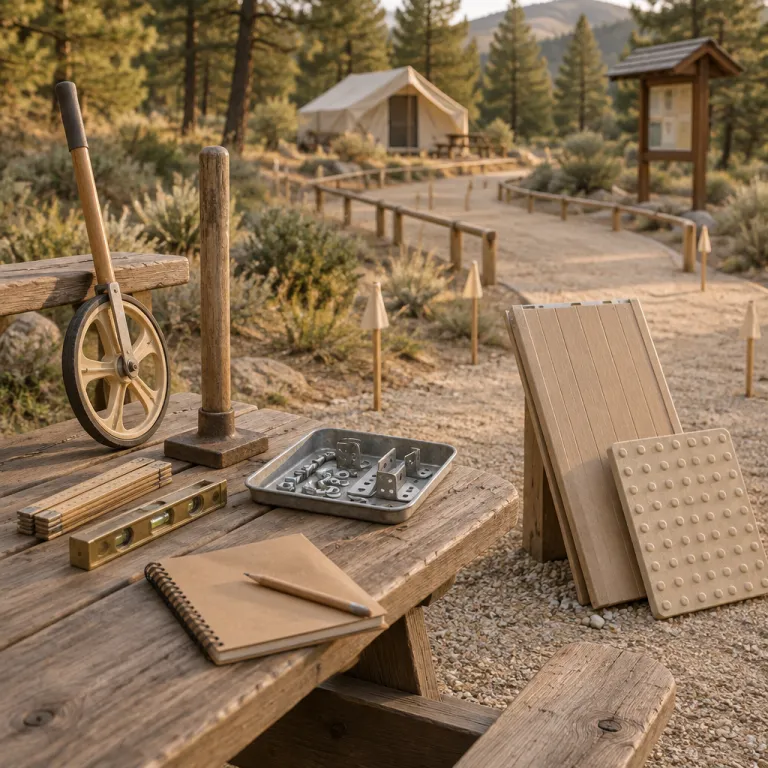
From ADA minimums to truly accessible campground inclusive design
Luxury minded families increasingly expect an accessible campground inclusive design that feels seamless, not clinical. When a campground treats ADA rules as the finish line rather than the starting brief, the result is usually one wheelchair accessible pitch near the bathhouse and a token ramp to the main facilities. That might tick the ada compliant box on paper, yet it rarely delivers an outdoor experience where campers with disabilities, aging parents and stroller pushing parents can move through all areas with the same ease.
Think about your next camping trip in a national park or state park ; you probably picture level paths, intuitive access to the lake and picnic tables that work for everyone at the same time. On many campgrounds, though, the accessible camping label hides a patchwork of steep grades, gravel ruts and inaccessible recreation areas that turn a simple walk to the restroom into a daily negotiation. True universal design goes beyond the minimum ada camping ratios and asks how every recreation site, from the playground to the trailhead, can welcome guests with mobility impairments and sensory sensitivities without fanfare.
For premium travelers, this shift in design philosophy is not a niche concern but a filter for quality. A genuinely accessible campground will treat accessible parking, smooth routes between parking areas and pitches, and clear wayfinding as core site furnishings rather than afterthoughts bolted on near the office. When you see inclusive play spaces, graded outdoor recreation loops and cabins that are both stylish and wheelchair accessible, you are looking at a property where accessibility is woven into the guest experience rather than patched onto the map.
How inclusive design reshapes the luxury outdoor experience
Families booking premium outdoor stays are not just chasing views ; they are curating an experience where every generation can share the same firelight. An accessible campground inclusive design turns the entire campground into a connected stage, where grandparents with mobility impairments, children exploring inclusive play structures and parents hauling coolers all use the same elegant paths. When accessible campgrounds get this right, the result feels less like a medical accommodation and more like a thoughtfully choreographed resort.
Look for campgrounds where accessible camping is integrated into the best view corridors rather than relegated to leftover corners near the parking areas. At these properties, you will often find accessible parking bays aligned with level pads, shaded picnic tables with extended tops for wheelchair users and site furnishings that match the design language of the rest of the park. This is what accessible campground operators mean when they talk about an inclusive experience that does not segregate campers with disabilities from the social heart of the recreation site.
When you research what accessible camping looks like when a campground actually cares, pay attention to how many outdoor recreation options are truly reachable without assistance. A luxury focused accessible campground will often publish detailed accessibility maps, specify which trails are wheelchair accessible and explain how their facilities support guests with different disabilities. That level of transparency signals a management team that understands both the letter of ada regulations and the spirit of universal design, and it gives you confidence before you commit to a multi night camping trip.
Smart campground features that go beyond ADA checklists
The most interesting trend in accessible campground inclusive design is the quiet rise of smart features that remove friction before you even arrive. On refined booking platforms, you can now filter for accessible campgrounds, see which facilities are wheelchair accessible and review photos that show the actual slope from accessible parking to the pitch. This level of digital access matters, because a glossy promise of accessibility means little if the path from the car to the restroom block is a steep gravel slide.
Some premium campgrounds now integrate tools such as Spot Nite style availability views, allowing you to choose a recreation site based on grade, proximity to accessible parking and distance to key areas like the lake or playground. When a compliant campground overlays this data with smart lighting, tactile wayfinding and clear visual icons, guests with disabilities can navigate the park independently at any hour. These smart layers turn a standard campground into a genuinely inclusive outdoor recreation hub, where technology quietly supports human movement rather than shouting about itself.
Hotel brands buying campground companies has accelerated this shift, because hospitality groups understand that accessibility is both a legal baseline and a loyalty engine. When a state park concessionaire or national park lodge operator applies hotel grade thinking to site furnishings, parking areas and path design, the result often feels more coherent and more inclusive. For families comparing options, the smartest move is to read accessibility details as closely as you would study room categories, because the right design choices will shape every moment of your stay.
Design details that signal genuine commitment to accessibility
On a luxury oriented campground, the difference between ada compliant and genuinely inclusive design often shows up in the smallest details. Start with the route from accessible parking to your pitch ; if the path is wide, gently graded and surfaced with firm material that works for both a wheelchair and a stroller, you are in good hands. When that same route continues past other campgrounds facilities, such as the pool, camp store and recreation areas, you know accessibility has been planned at the master map level.
Thoughtful site furnishings are another quiet indicator of an accessible campground inclusive design mindset. Look for picnic tables with integrated wheelchair spaces, fire rings positioned so that campers using mobility aids can sit close to the warmth and lighting that avoids harsh glare for guests with sensory sensitivities. In parks that take universal design seriously, you will also see inclusive play zones, accessible fishing platforms and restrooms with roll in showers rather than just a single grab bar in a cramped stall.
Premium properties increasingly extend this thinking to outdoor recreation programming, offering guided walks on wheelchair accessible trails, adaptive paddling sessions and quiet hours that support neurodiverse guests. When a recreation site publishes clear information about which camping areas, cabins and communal spaces are fully accessible, it reduces anxiety for families planning a complex camping trip. These details may seem granular, but together they create an experience where guests with disabilities are not negotiating for basic access at every turn.
Why inclusive campground design benefits every guest
When a campground invests in accessible campground inclusive design, the benefits ripple far beyond guests who identify as disabled. Level paths that support wheelchair users also make late night walks to the restroom safer for children, and they turn hauling gear from parking areas to pitches into a simple stroll. Parents pushing double strollers, travelers with temporary injuries and older campers with subtle mobility impairments all feel the difference, even if they never use the word accessibility.
Universal design principles encourage campgrounds to think about every stage of the camping trip, from online booking to the final walk to the car. Clear maps, intuitive signage and well lit routes between key facilities reduce cognitive load for tired parents and help teenagers navigate the park independently. In national park and state park settings, where terrain can be challenging, these same features make outdoor recreation feel less intimidating for first time campers who might otherwise choose a conventional hotel.
Even gear choices reflect this shift toward inclusive comfort, with many premium travelers now packing refined bug suits and adaptive seating that work equally well at an accessible camping platform or a more rustic recreation site. When campgrounds match that attention to detail with shaded rest areas, benches at regular intervals and accessible play corners near social hubs, the entire property feels more humane. In practice, inclusive parks are often the calmest, most orderly and most enjoyable places to stay, because good design quietly guides how people move and gather.
The business case for moving beyond ADA minimums
For luxury and premium campground operators, treating accessibility as a design asset rather than a compliance chore is simply good business. Families that need an accessible campground inclusive design often travel with multiple generations, stay longer and return frequently when they find a place that works. They also become powerful advocates, recommending accessible campgrounds and parks to online communities where word of mouth carries more weight than any marketing campaign.
Investments in accessible camping infrastructure, from properly graded pads to wheelchair accessible restrooms and inclusive play zones, usually improve durability and reduce maintenance over time. Concrete or compacted surfaces between parking areas and facilities handle weather better than rutted dirt, while high quality site furnishings last longer and look better in premium settings. In a competitive market where national park adjacent campgrounds and state park concessionaires vie for the same guests, a reputation for genuine accessibility can be the deciding factor for discerning families.
Smart operators also recognise that aging boomers, who increasingly prefer outdoor recreation over traditional resorts, are driving demand for accessible campground options. When these guests find a compliant campground that feels effortless to navigate, they reward it with repeat bookings and off season stays. For booking platforms curating luxury outdoor properties, highlighting detailed accessibility features alongside design credentials is no longer optional ; it is central to serving a sophisticated audience that expects both style and access.
Key statistics on accessibility and inclusive campground design
- The U.S. Census Bureau reports that roughly one in four American adults lives with some form of disability, meaning that accessible camping and inclusive outdoor recreation design directly affects a quarter of potential guests.
- Data from the National Park Service show that more than 300 million recreation visits occur across the national park system each year, and improving accessible campgrounds within this network can influence millions of camping trip decisions.
- Research from AARP indicates that travelers over 50 account for more than half of U.S. travel spending, underscoring how mobility impairments and aging related needs make accessible campground features a core revenue driver.
- Surveys by the Outdoor Industry Association have found that lack of accessibility is a significant barrier to participation for people with disabilities, suggesting that better design of campgrounds and recreation sites could unlock substantial new demand.
- Studies in universal design consistently show that features such as step free routes, accessible parking and clear wayfinding improve satisfaction scores for all guests, not only those who identify as disabled.
FAQ about accessible campground inclusive design
What is the difference between ADA compliant and universally designed campgrounds ?
An ada compliant campground meets the minimum legal requirements, such as providing a certain number of wheelchair accessible sites and basic routes to key facilities. A campground built on universal design principles goes further, ensuring that paths, amenities and recreation areas work comfortably for people with a wide range of abilities and ages. For guests, this usually means smoother movement, more choice of pitches and a more integrated experience.
Which features should I look for when booking an accessible camping trip ?
When evaluating an accessible campground, check for level, firm surfaced routes from accessible parking to pitches, restrooms and social hubs. Look for detailed accessibility information, including whether restrooms have roll in showers, whether picnic tables and fire rings are usable from a wheelchair and whether recreation areas such as trails or play spaces are truly reachable. Photos and maps that show grades and surfaces are especially valuable for planning.
Do accessible campground upgrades reduce the natural feel of outdoor stays ?
Well executed accessible campground inclusive design can preserve a strong sense of place while improving access. Designers increasingly use natural materials, subtle grading and low impact surfaces to create wheelchair accessible routes that blend into the landscape. The goal is not to pave every meter of a park, but to create a coherent network of paths and facilities that allow more people to enjoy the same outdoor experience.
How can I tell if a campground genuinely prioritises accessibility ?
Campgrounds that take accessibility seriously usually publish clear, specific information rather than vague claims. They describe which sites are accessible, how far they are from facilities, what surfaces you will encounter and which recreation areas are suitable for guests with mobility impairments or other disabilities. Reviews from other campers with access needs are also a strong indicator of whether the on the ground experience matches the design intent.
Why does inclusive design matter for families without disabilities ?
Inclusive campground design benefits every guest by making movement easier, safer and more intuitive. Parents with strollers, travelers carrying heavy gear and older relatives with subtle balance issues all appreciate level paths, good lighting and clear signage. Over the course of a camping trip, these small improvements add up to a calmer, more enjoyable stay for the entire group.