Why campground WiFi now defines the remote work stay
For high expectation travelers, campground WiFi infrastructure for remote work now shapes the entire stay. Luxury oriented campgrounds have learned that reliable internet is as fundamental as water pressure, because guests arrive with laptops, deadlines and a clear plan to keep working remotely. When a park fails on connectivity, even a dramatic outdoor setting cannot compensate for missed calls and frozen screens.
Executives blending work and camping want to move between video meetings and riverside walks without worrying about fragile wireless coverage. They expect high speed internet access at the campsite, in shared lounges and around quiet zones designed for focused working, not just a weak signal near the office. This shift has turned campground WiFi from a vague perk into a core utility that underpins every remote work and work life decision about where to stay and how long to remain on site.
Operators now evaluate each campground as a network first and a park second, mapping access points, testing cellular coverage and layering satellite internet where needed. The most forward looking campgrounds treat connectivity planning as a full infrastructure project, combining a robust wifi solution with cellular router backups and, in some cases, Starlink satellite internet for hard to reach corners. For guests who work remotely full time, this level of redundancy is not overkill ; it is the baseline that allows digital nomads and other remote workers to extend a weekend into a ten day working retreat.
From amenity to utility: the new economics of connected camping
Once, campground wifi was a line item under amenities, somewhere between firewood and kayak rentals. Now, for premium campgrounds courting remote working guests, connectivity sits in the same budget column as power pedestals and water lines, because the revenue impact of strong internet access is measurable. When remote workers can rely on a stable wifi solution, they book longer stays, shift to full time seasonal pitches and return more often.
Owners weigh the cost of wireless infrastructure against the nightly rate they can confidently charge for a truly connected camping experience. Properties that invest in dense access points, modern wifi solutions and responsive customer support find they can justify higher tariffs for extended stays, especially when guests are working remotely on serious projects. Those who still treat connectivity as optional are quietly losing long stay bookings to competitors that position themselves as remote work ready destinations.
Gather Campground in Bell County, Texas, illustrates this new calculus by marketing itself directly to digital nomads and business travelers who work remotely. The property offers dedicated quiet work zones, weatherproof power at each campground site and sturdy tables designed for laptop working, aligning every detail with the needs of remote workers. For travelers wondering when a nightly rate crosses the line, this kind of infrastructure helps explain why some connected parks can legitimately sit in the premium tier, a debate explored in depth in this analysis of high nightly campground pricing.
Cellular versus Starlink: choosing the right backbone for connectivity
Behind every seamless remote work stay lies a careful choice between cellular networks and Starlink satellite internet. In more populated regions, a well designed system of cellular routers, directional antennas and wireless bridges can turn a modest signal into full coverage across multiple campgrounds. This approach often delivers high speed performance at a lower long term cost, especially when paired with professional monitoring and strong customer support.
In remote state park style locations or deeply wooded valleys, even the best cellular solution can struggle to provide consistent internet access. Here, Starlink satellite internet becomes the backbone, with dishes mounted above tree lines and linked to campground wifi systems that distribute the signal through outdoor access points. Operators then blend satellite capacity with any available cellular coverage, creating hybrid wifi solutions that keep guests working remotely even when the nearest town is many kilometres away.
For travelers, the practical question is simple ; can you rely on the campground wifi infrastructure for remote work during peak evening hours. Properties that publish clear details about their internet solutions, including whether they use Starlink, cellular boosters or both, signal a level of transparency that remote workers appreciate. This kind of clarity also aligns with the broader push for data driven decision making in hospitality, similar to the market transparency highlighted in the campground pricing index report.
Designing sites for laptops, not just lanterns
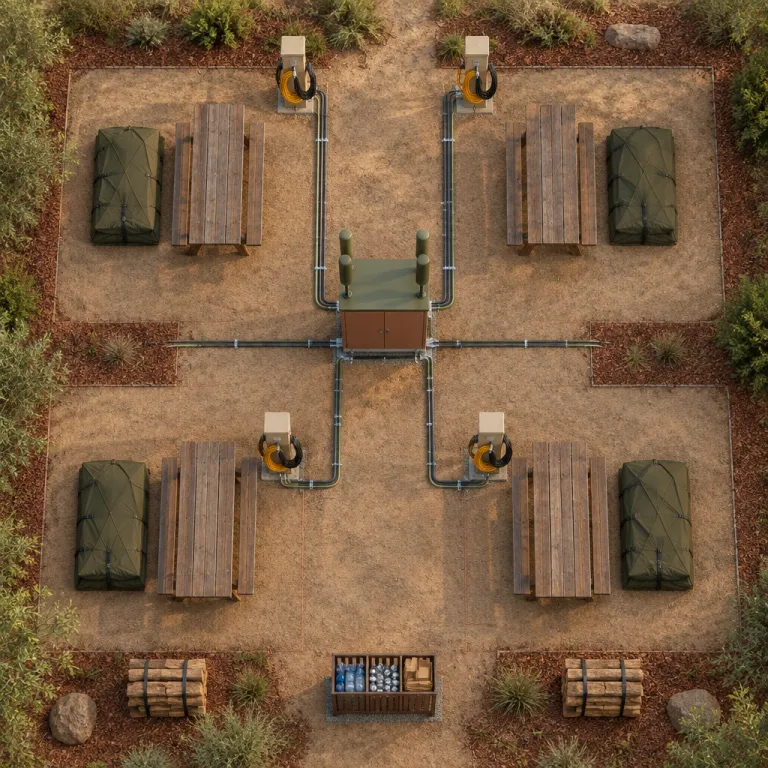
Connectivity alone does not create a premium remote working experience if the physical campsite still assumes guests arrive only with lanterns and paperbacks. The most forward thinking parks now design pitches where the Milky Way is the ceiling, yet the picnic table is level, shaded and wired for work. Weatherproof power stations, comfortable seating and thoughtful lighting turn a simple pad into an outdoor office that respects both productivity and the landscape.
Gather Campground and a growing cohort of high end parks are adding quiet zones where working remotely is the norm, not an intrusion. These areas often feature upgraded wireless access points, stronger wifi coverage and subtle acoustic separation from family focused loops, allowing guests to work remotely without feeling like they are disturbing the camping atmosphere. When done well, this zoning preserves the classic park experience for leisure travelers while carving out a clear space for digital nomads and full time remote workers.
Luxury oriented operators also rethink shared spaces, replacing generic lounges with coworking style rooms that offer high speed internet, ergonomic chairs and reliable power at every seat. Guests can move between these indoor hubs and their outdoor sites, maintaining a fluid work life rhythm that suits executive schedules and social media heavy roles. For many, this blend of focused working environments and authentic outdoor immersion is the reason they choose a campground over yet another city hotel.
Balancing unplugged ideals with always on realities
There is a persistent tension between the romantic idea of unplugged camping and the practical reality that many guests must stay online. Some parks still market a total digital detox, yet quietly field complaints when internet access fails during a critical call or when social media uploads stall for hours. The campgrounds treating WiFi like a utility, not an amenity, acknowledge that connectivity and outdoor immersion can coexist without diluting either experience.
These operators carve out low signal or intentionally offline loops for guests who genuinely want to disconnect, while ensuring that remote work friendly zones deliver full connectivity. Clear communication at booking helps travelers choose the right area of the park, whether they plan to work full time from a riverside site or simply check email once a day. This segmentation mirrors broader sustainability thinking in the sector, where infrastructure choices are made deliberately rather than by default, a theme explored in the context of eco focused amenities in this guide to campgrounds rewriting the sustainability playbook.
For business leisure travelers, the most satisfying stays are those where connectivity fades into the background because it simply works. They can step from a video conference into a forest trail, confident that the campground wifi infrastructure for remote work will be ready again when they return. Over time, this quiet reliability builds trust, turning a one off booking into a recurring pilgrimage to the same well connected patch of ground.
FAQ
How can I tell if a campground is truly remote work ready ?
Look for specific details about internet infrastructure rather than vague promises about free wifi. A remote work ready campground will describe its access points, mention whether it uses cellular routers, Starlink or other satellite internet, and explain where coverage is strongest. Properties that highlight quiet work zones, power at every site and responsive customer support for connectivity issues are usually serious about hosting remote workers.
Is Starlink better than cellular for working remotely at campgrounds ?
Starlink can outperform cellular networks in very remote areas where towers are sparse or heavily obstructed. In regions with strong cellular coverage, a well engineered system using cellular routers, antennas and wireless bridges can deliver equally high speed internet access at a lower ongoing cost. The best campgrounds often combine both, using cellular as the primary backbone and Starlink as a resilience layer for full time remote workers.
What should I pack to improve my own connectivity while camping ?
Even at a well equipped park, bringing a travel friendly cellular router or hotspot can provide an extra layer of redundancy. A small directional antenna, quality USB cables and a surge protected power strip help you make the most of campground wifi and local cellular signals. For extended remote working, consider a laptop stand, noise isolating headphones and a portable battery so you can shift between your site and shared work areas without losing productivity.
Can I rely on campground WiFi for video calls and heavy file uploads ?
At campgrounds that treat WiFi as a utility, the network is usually designed to handle video conferencing and cloud based work. These parks invest in multiple access points, business grade wifi solutions and sufficient backhaul capacity to support peak evening usage. Before booking, ask directly whether guests regularly use the network for video calls and whether there are designated areas with the strongest connectivity for remote work.
How do connected campgrounds protect the traditional camping atmosphere ?
Thoughtful operators separate quiet work loops from family or group areas, so laptops and calls do not dominate the entire park. They design outdoor workspaces that blend into the landscape, using natural materials and low impact lighting around tables and power stations. By setting clear etiquette for working remotely and keeping entertainment streaming within reasonable limits, they preserve the sense of escape that defines memorable camping experiences.