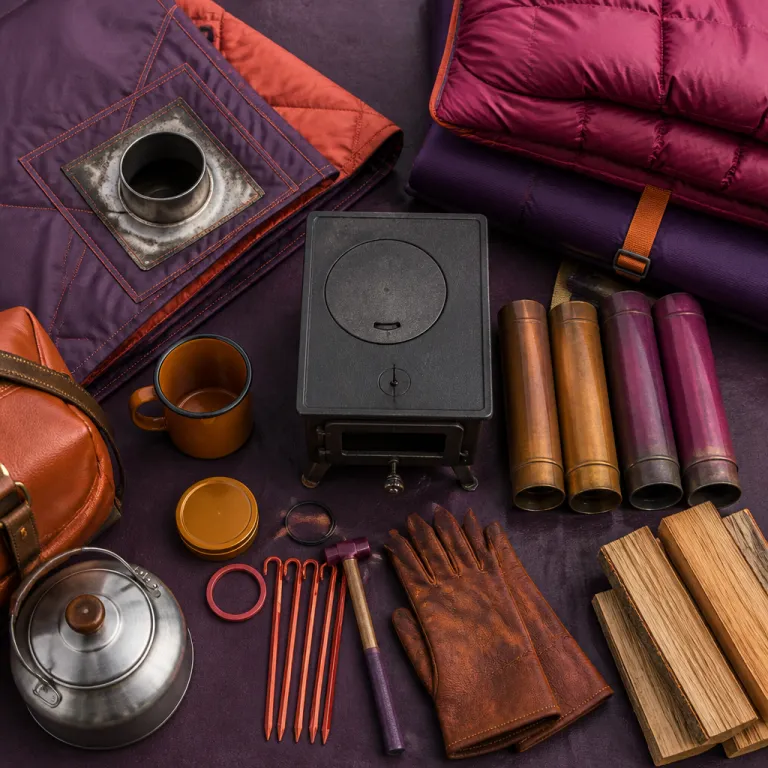
What a hot tent is and why luxury travelers should care
A hot tent is a carefully engineered shelter designed to work safely with an internal wood-burning stove during cold weather camping. By combining insulated or heavyweight fabrics, a dedicated stove jack for the chimney, and smart ventilation, this type of tent can transform winter camping into a warm, hotel-like suite in the wilderness. For travelers used to premium hotels, understanding what a hot tent offers helps you judge whether tent camping can genuinely match your expectations for comfort and reliable heat.
At its core, a hot tent uses a compact wood stove to create steady radiant warmth, turning a simple canvas or technical-fabric structure into a refined space for sleeping, reading, and slow mornings with coffee. These tents are built for harsh winter conditions and deep cold, so the frame, floor options, and weatherproofing are more robust than in regular tents aimed at summer camping. When you browse a luxury campground booking website, you will often see hot tents highlighted as the flagship units for winter camping and shoulder-season stays, sometimes described as “heated bell tent suites” or “canvas lodges with wood stoves.”
Manufacturers design hot tents with fire-resistant panels around the stove area and reinforced points where the stove jack exits the roof or wall. Safety standards are high because a tent will only qualify as a true hot tent when it can handle sustained heat from wood stoves without degrading. Guidance inspired by National Fire Protection Association principles and backcountry safety schools consistently emphasizes three pillars: ensure cross-ventilation to prevent carbon monoxide buildup, use fire-resistant materials around the stove area, and regularly inspect the stove, chimney, and spark arrestor for safe operation.
Key tent features that separate hot tents from regular tents
Several tent features distinguish a genuine hot tent from a regular tent that simply feels warm on a summer night. First, the fabric around the stove jack and chimney is treated to resist sparks and high heat, while the rest of the tent balances durability with a pleasant interior feel for sleeping and lounging. Luxury campgrounds often specify whether a unit is a wall tent, a bell tent, or a hybrid design, because each shape influences how the heat circulates and how the space feels for guests used to hotel suites.
Inside, you will notice a more generous footprint and higher walls than in many backpacking tents, which allows for real beds, rugs on the floor, and even small seating areas. A wall-tent-style hot tent offers straight sides that make furniture placement easier, while a bell tent shape creates a dramatic central pole and soaring ceiling that many guests find visually striking. When a tent arrives at a premium campground, the on-site team usually adds layered flooring, insulated sleeping systems, and curated décor in beige or forest green tones to echo high-end hotel interiors and boutique chalet design.
For travelers comparing options, it helps to think of hot tents as a category with its own subtypes, from compact tent-stove-compatible shelters to expansive canvas suites. Some properties feature a regatta-bell-style bell tent with a dedicated wood stove, while others lean on modular tent bundle concepts that pair a main hot tent with a separate lounge or spa tent. If you enjoy elevated open-air lounging, look for campgrounds that pair these heated tents with refined hammock setups, such as those described in this guide to a camping hammock with mosquito net for elegant stays.
Design inspiration: bell tents, wall tents, and refined color palettes
When you explore luxury campground listings, you will see hot tents expressed through different design languages, each suited to a particular style of trip. The classic bell tent, often in soft beige canvas, creates a romantic, circular space where the wood stove sits near the center and the heat radiates evenly around the sleeping area. Wall tents, by contrast, feel almost like small hotel rooms, with straight walls that allow for wardrobes, desks, and generous beds while still leaving room for a compact tent stove.
Color plays a subtle but important role in how a hot tent feels during your stay. Beige fabrics soften bright winter light and pair beautifully with natural wood furniture, while forest green exteriors help the tents blend into pine forests and lakeside settings. Many premium campgrounds commission custom tent bundle configurations, mixing bell tents in beige with forest green service tents for storage or spa treatments, so the entire site feels cohesive and thoughtfully curated rather than improvised.
Structural details matter as much as color when you want a hotel-grade experience in a tent. Pro-level manufacturers pay close attention to how the tent will handle snow load, how the floor integrates with the walls, and how the stove jack is positioned to keep sparks away from fabrics. Well-known hot tent brands, such as Snowtrekker, Seek Outside, and Whiteduck, publish detailed specifications on pole strength, fabric weight, and stove compatibility. As one Scandinavian lodge manager notes, “we only choose hot tents whose snow-load ratings and stove clearances are documented in writing, because that is what lets us treat them like true winter suites.” If you are curious about the engineering behind these designs, this guide to choosing camping tarp poles for luxury tent design shows how even support poles influence stability, safety, and the overall elegance of a hot tent setup.
Comfort, heat, and sleeping experience in cold weather
For many hotel-loyal travelers, the real question is not what a hot tent is, but whether it can keep you genuinely comfortable through a long winter night. A well-designed hot tent, paired with a correctly sized wood stove, can maintain a cozy interior temperature even when the outside air is well below freezing. The key is balancing the heat output of the stove with the tent volume, the insulation of the floor, and the quality of the sleeping systems provided by the campground.
Luxury operators usually add layered flooring, such as insulated mats over a sewn-in groundsheet, to prevent cold from seeping up from frozen soil. High-quality duvets, wool blankets, and hotel-grade mattresses transform the sleeping area into something that feels far removed from regular tent camping, even though you still hear the wind and snow outside. Many guests describe the gentle crackle of the wood stove and the soft glow of its window as the wilderness equivalent of a fireplace suite in a premium hotel, especially in destinations like Scandinavian winter camps or Canadian backcountry lodges.
Cold weather comfort also depends on smart routines during your stay. Staff will often preheat the hot tent before you arrive, so the space enters your memory as a warm, welcoming retreat rather than a chilly canvas shell. During winter camping stays, you may be shown how to manage the tent stove safely through the evening, when to add wood, and how to adjust vents so that the heat remains steady without creating condensation or stuffiness. A simple mental checklist helps: confirm that vents are open, keep combustibles away from the stove, and ask staff to demonstrate how to latch the door and damper so the interior climate feels as intuitive as a luxury hotel room.
Pricing, value, and what to expect when you book
Understanding the price structure of hot tents on luxury booking platforms helps you compare them fairly with hotel suites. Retail listings from outdoor gear brands show that many hot tents for private purchase fall in the low hundreds of dollars, while premium canvas lodges with stoves and accessories can reach into the high hundreds or more. Luxury campgrounds then invest significantly beyond the base tent once they add furnishings, stoves, platforms, and professional setup. When you see a nightly rate, you are paying not only for the shelter itself, but also for the wood stove, curated interiors, and the expertise that keeps everything safe in winter conditions.
On many booking sites, you will notice a regular price for shoulder-season stays and a higher unit price during peak winter camping periods when demand for heated tents is strongest. Some properties list separate categories such as bell tent suites, wall tent lodges, or regatta-bell-inspired tents, each with its own price band depending on floor area, tent features, and included services. When you compare, look beyond the headline price and consider whether the tent bundle includes unlimited firewood, guided activities, or private bathrooms, because these details shape the overall value and determine how closely the experience mirrors a boutique hotel.
Travelers who fall in love with the experience sometimes decide to buy a tent and stove for their own trips. If you plan to buy tent equipment, pay attention to how the campground manages the stove jack, how the tent handles repeated heating cycles, and whether the stoves feel easy to operate. Observing a professional setup in a luxury context gives you a pro-level reference point, so you can judge whether consumer-grade hot tents and tent stoves meet the same standards before you invest in your own winter camping kit.
Safety, setup, and how luxury campgrounds manage the details
Safety is the quiet backbone of every successful hot tent stay, especially when guests arrive from hotel environments with little camping experience. Luxury campgrounds work closely with manufacturers and survival training organizations to refine their setup procedures, from how the stove jack is sealed to how carbon monoxide detectors are installed. Staff are trained to manage the full setup so that your tent will be ready on arrival, with the wood stove tested, vents adjusted, and emergency equipment discreetly in place.
Behind the scenes, teams follow strict routines for inspecting stoves, chimneys, and tent fabrics between stays. They check that the floor remains intact, that no stray sparks have damaged the canvas, and that the tent arrives at each new guest in impeccable condition, just as a hotel room would. Many properties also design their sites according to thoughtful circulation principles, using ideas similar to those described in this guide on how a campground should flow like a trail system, so that hot tents feel private yet remain easy to access for staff and emergency services.
For guests, the setup process is usually presented as a gentle orientation rather than a technical briefing. A host may show you how to operate the wood stove, where to store extra wood, and how to adjust vents for different season conditions, from damp autumn evenings to deep winter cold. By the time you settle into your sleeping area, the combination of professional setup, clear guidance, and thoughtful design turns the abstract idea of what a hot tent is into a tangible, reassuringly luxurious experience.
Key figures and trends in luxury hot tent camping
- Outdoor gear catalogs and retailer lineups show a broad price spectrum for hot tents, from relatively compact stove-ready shelters in the lower hundreds of dollars to large canvas lodges with integrated stove systems at significantly higher price points, while luxury campgrounds add further value through furnishings and installation.
- Camping industry surveys and glamping market reports consistently highlight growing interest in winter-ready, heated tents, with a rising share of cold-season guests choosing hot tents over unheated shelters as more premium properties add wood-stove-equipped suites to their portfolios.
- Manufacturers report a clear shift toward ultralight hot tents that still accommodate a safe tent stove, allowing high-end trekking lodges and remote expedition camps to offer heated shelters without heavy logistics or large transport teams.
- Across the sector, there is a marked increase in eco-friendly materials for hot tents, including organic or recycled canvas options and responsibly sourced wood for stoves, aligning luxury camping with broader sustainability goals and climate-conscious travel trends.
- Advances in stove efficiency and safety features, such as improved stove jack designs, spark arrestors, and integrated carbon monoxide detectors, have made hot tents more accessible to travelers who previously relied only on traditional hotels in cold destinations.
FAQ about hot tents in luxury and premium campgrounds
What is a hot tent in the context of luxury camping ?
A hot tent in luxury camping is a high-quality tent specifically designed to work with an internal wood stove, using fire-resistant materials and a dedicated stove jack so guests can enjoy hotel-level warmth during cold weather stays. It differs from regular tents by offering more interior space, stronger structures, and curated furnishings that mirror premium hotel rooms. In luxury campgrounds, these hot tents often appear as bell tent suites or wall tent lodges with full beds, rugs, and styled décor.
Are hot tents safe for guests who are new to camping ?
Hot tents are safe when they are professionally installed and maintained, and when guests receive clear guidance on stove use and ventilation. Luxury campgrounds typically handle all technical aspects, from positioning the wood stove to checking the chimney and carbon monoxide detectors before each stay. As long as you follow the simple instructions provided, a hot tent offers a controlled, comfortable environment even in deep winter cold.
Can you cook inside a hot tent during a premium stay ?
Many hot tents are designed so that guests or staff can cook simple meals on the wood stove, but luxury properties often choose to separate cooking and sleeping areas for comfort and safety. In some camps, staff use the tent stove for morning coffee or evening mulled drinks, while main meals are served in a dedicated dining tent or lodge. Always follow the property’s policy, because they tailor cooking practices to the specific tent features and local regulations.
How does a hot tent compare with a hotel room in winter ?
A well-equipped hot tent can match the warmth and sleeping comfort of a hotel room, especially when it includes a quality mattress, layered bedding, and a properly sized wood stove. The main difference lies in the sensory experience ; you hear the fire, feel the canvas move slightly in the wind, and step directly into nature when you open the door. For many travelers, this blend of hotel-level comfort and immersive surroundings is precisely what makes hot tents so appealing.
What should I look for when booking a hot tent on a luxury platform ?
When you book, check whether the listing specifies the tent type, such as bell tent or wall tent, and whether a dedicated tent stove or wood stove is included. Look for details about floor insulation, sleeping arrangements, and what is covered in the tent bundle, including firewood, linens, and any pro-level services like preheating before arrival. Reviews that mention consistent heat, attentive setup, and clear safety explanations are strong indicators that the property understands what a hot tent must provide for discerning guests.