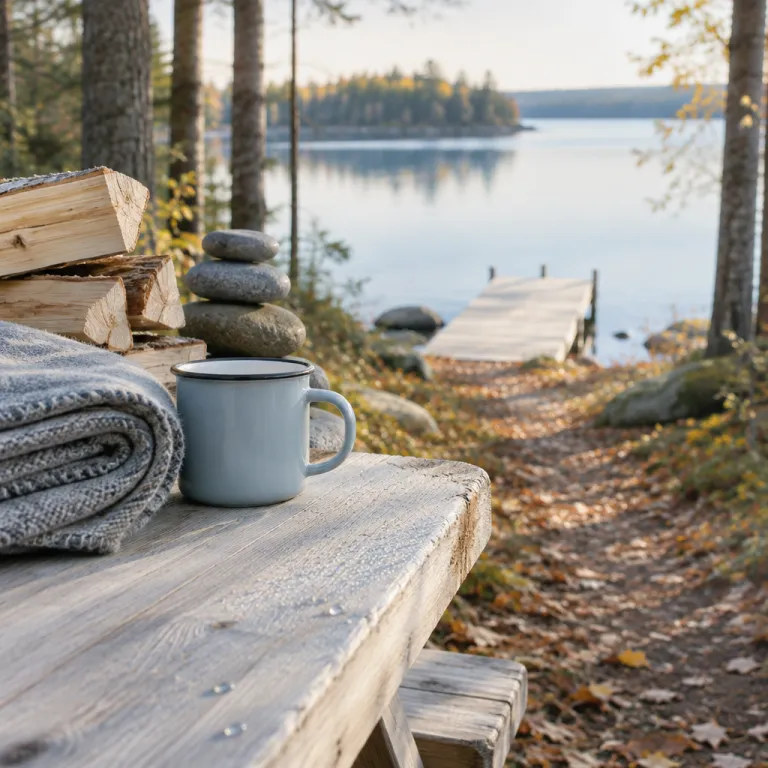
Why certain fall foliage campground sites vanish from October booking grids
Every October, a narrow booking window exposes what experienced couples really value in fall camping. In the Northeast and Upper Midwest, specific campground sites sell out faster than peak summer weekends because they frame fall foliage like a private cinema screen. If you are used to booking a city hotel, the pace of reservations at these state parks and national park campgrounds can feel brutal.
The fall foliage campground best sites October pattern is consistent across Vermont, New Hampshire, Maine, Michigan and the Blue Ridge corridor, where early October weekends now rival midsummer for demand. The sites that vanish first sit at gentle higher ground or at lower elevations with long sightlines, catching peak colors as they roll down the hillsides from late September through late October. When you filter for a premium campground on a luxury platform, you are essentially competing for the same limited inventory of west facing pitches, lake edges and mountain national panoramas that repeat guests already know by number.
Think of each campground as a small design hotel in the woods, where the real suite is the tent pad with the right angle on the fall color. The best couples sites are rarely the largest ; they are the ones where a single window in your canvas tent or cabin door frames the lake or valley in full fall colors. Those are the fall camping sites that regulars lock in as soon as the september early booking calendar opens, leaving late planners scrolling through the leftovers.
How foliage timing shapes demand across regions
Leaf peeper forecasts now shape booking curves as clearly as school holidays, especially for travelers chasing peak fall weekends. In New England, late September and early October bring the first wave of peak colors at higher ridges, while lower elevations and sheltered lake basins often hold fall leaves into mid October or even late October. In the Upper Peninsula and the Adirondacks, the same pattern plays out from national forest backroads to polished state park campgrounds, with couples timing their camp dates to match predicted fall foliage peaks.
Luxury focused platforms track this demand and surface the fall foliage campground best sites October combinations that sold out fastest the previous season. When a specific state park or national park loop shows repeat early sellouts, it signals that the mix of scenic views, privacy and access to water has reached a kind of cult status among fall camping regulars. For couples used to flexible hotel bookings, this means treating a tent site or premium platform as a limited edition room type, not a generic patch of ground.
In Colorado and the broader Rocky Mountain region, the rhythm shifts earlier, with aspen fall color often peaking from late September into early October at higher passes. Here, the campground sites that go first are those that balance mountain national drama with some shelter from cold night winds, often tucked just inside the national forest tree line. By the time mid October arrives, many of these parks have already passed peak fall, but lakeside pockets at lower elevations can still glow with late season fall colors for couples willing to trade altitude for warmth.
The design DNA of October’s most coveted foliage campsites
Look closely at the fall foliage campground best sites October listings and a shared design language emerges. First, orientation ; west facing sites that catch late afternoon light through the canopy are always the first to go, because they turn ordinary fall leaves into a cinematic show from your tent door. Couples who usually request sunset facing hotel rooms are making the same choice, just translated into the geometry of a campground map.
Second, elevation and aspect matter more than raw distance to the viewpoint, especially in hilly state parks and national park valleys. A site perched a few metres above a lake or river often delivers better fall color reflections than a closer but lower camp, because the angle lets you see both shoreline foliage and sky in the water. This is why the same numbered sites at places like Moreau Lake State Park in New York or lakeside loops in Michigan’s state parks sell out first every early October weekend, while nearby interior pads linger into mid October.
Third, proximity to water is non negotiable for many couples planning a romantic fall camping escape. A small lake, a slow river or even a wetland edge doubles the intensity of peak colors, especially at peak fall when the canopy is fully turned and the surface acts like a mirror. On premium booking platforms, filters for “waterfront” or “lake view” effectively surface the same cluster of sites that regulars already know by heart, compressing demand into a handful of campground loops during late September and early October.
How operators use pricing, minimum stays and booking windows
Campground operators have learned to manage this compressed demand curve with the same tools used by upscale hotels. Many high demand state parks and mixed public private campgrounds now impose two or three night minimum stays on peak fall weekends, especially from late September through late October. This protects revenue and reduces turnover stress on staff, but it also means couples must commit to a full foliage weekend rather than a spontaneous single night camp.
Seasonal pricing tiers are increasingly common on private campgrounds that market heavily to fall camping couples. Waterfront or view heavy sites command a premium during peak fall color, while interior pads remain closer to shoulder season rates, mirroring how a hotel might price suites versus standard rooms. For travelers trying to time the fall foliage campground best sites October sweet spot, this makes early research essential, because the best value often sits on the edges of peak colors rather than the exact forecasted weekend.
Booking windows have quietly become the most powerful lever in this ecosystem, especially as online platforms centralize inventory. Some national park concessionaires and popular state parks open reservations six to twelve months ahead, and the most scenic sites vanish within minutes of the september early release. If you want a deeper dive into how far ahead to plan, the guidance in this detailed booking window analysis translates cleanly to fall foliage strategy, especially for couples balancing work calendars with the unpredictability of peak colors.
Under the radar foliage regions where premium sites still feel wild
Once you understand why certain sites sell out, the next step is choosing regions where that pressure is slightly looser. Beyond the headline states, the Ozarks, the Upper Peninsula and Pennsylvania’s Allegheny National Forest offer fall camping that rivals New England, often with more flexible booking patterns. Here, the fall foliage campground best sites October mix includes both polished private campgrounds with design forward amenities and quieter national forest clearings that feel almost improvised.
In the Ozarks, state parks wrap around deep lake arms and limestone bluffs, creating long corridors of fall color that stay vibrant from late September into mid October. The best couples sites sit on small peninsulas or elevated loops, where a single tent pad looks across water to uninterrupted forest, and peak colors arrive in waves rather than a single weekend. Because demand is spread across multiple parks and lower elevations, you can often secure a scenic waterfront camp here in early October without the frantic midnight booking rituals common in Vermont or New Hampshire.
Farther north, the Upper Peninsula and Allegheny National Forest reward travelers who value texture over crowds. In these regions, a mix of national forest campgrounds, state parks and small private operations creates a patchwork of options, from simple tent only loops to premium sites with heated bathhouses and curated firewood bundles. Many of these properties now operate as mixed use campgrounds with cabins and glamping tents, but the sites that sell out first are still the ones where fall leaves frame the lake at breakfast and the Milky Way replaces the hotel corridor at night.
Why tent sites often beat RV pads for foliage season
Across these under the radar regions, tent focused sites consistently book out before RV pads during peak fall weekends. The reason is simple ; tent loops are usually placed closer to the most scenic edges of a park, whether that means a bluff above a river, a quiet lake cove or a ridge with uninterrupted fall foliage views. Couples seeking a romantic, low profile stay gravitate to these loops because the design feels intentional, more like a landscape hotel than a parking area.
RV sites, by contrast, are often clustered for utility, with straighter lines, more lighting and easier access to service roads. They work beautifully for long stays, but they rarely offer the same intimate relationship with fall colors that a well placed tent pad or walk in site can deliver. On premium booking platforms, this means that the fall foliage campground best sites October filters often surface tent only or walk in categories first, even when cabins and RV pads remain available into mid October.
For couples used to hotel comforts, this does not mean sacrificing warmth or style. Many high end campgrounds now pair tent only loops with heated washrooms, curated camp kitchens and on site cafés, blurring the line between fall camping and a rural design retreat. The key is to treat the tent site itself as the primary room type, then layer comfort through gear and services rather than defaulting to the most built up pad in the park.
Timing your stay: reading foliage maps like a revenue manager
Booking the right weekend for fall foliage is less about luck and more about reading patterns with the same discipline hotels apply to revenue forecasts. Each region has a typical arc ; higher ridges and northern latitudes reach peak colors first, then the show slides down to valleys and lower elevations over two to three weeks. For couples planning a single romantic escape, this means choosing whether to chase the earliest blaze of fall leaves or the softer, more reflective tones of late October around lakes and rivers.
In the Northeast, late September through early October usually brings the first peak fall wave to mountain national corridors like the White Mountains and the Green Mountains. By mid October, many of these higher parks are past peak colors, but lakeside state parks and sheltered national forest campgrounds can still offer rich fall color, especially on calm mornings when the water doubles the palette. In the Upper Midwest, a similar pattern plays out from the Boundary Waters and the North Shore down toward inland lakes, a dynamic explored in depth in this Boundary Waters reopening report that also highlights how fire cycles can subtly shift foliage timing.
Farther west in Colorado and the broader Rocky Mountain region, the window is narrower but no less dramatic. Aspen stands at higher passes often peak from late September into early October, while foothill parks and national forest corridors hold color slightly longer, especially where mixed conifers frame pockets of gold. For couples using a luxury booking platform, the most effective strategy is to target the shoulders of predicted peak fall, when the fall foliage campground best sites October inventory may still have a few cancellations and the parks feel quieter, but the colors remain generous.
From hotel mindset to foliage first strategy
Shifting from a hotel booking mindset to a foliage first strategy changes how you evaluate every listing. Instead of starting with amenity lists, you begin with maps, elevation lines and the orientation of each campground loop relative to the lake, ridge or valley that will carry the strongest fall colors. The best couples sites are those where you can sit inside your tent or cabin, look through a single window and feel that the entire park has been composed for your view.
For many travelers, this is where premium booking platforms earn their keep, because they aggregate reviews that repeatedly mention specific site numbers, peak colors and the rhythm of late September through late October. When multiple guests praise the same pad for its fall foliage, sunset angle and quiet, you are essentially reading a distilled design critique of that micro location. Over time, these patterns reveal why certain state parks, national parks and private campgrounds become legends for fall camping, while others with similar facilities remain quietly underbooked.
Ultimately, the sites that sell out first every October share a simple, human centered quality ; they make you feel as if the landscape has been arranged around your stay. Whether you are on the shore of Moreau Lake, under aspens in a Colorado national forest or beside a mirrored bay in the Upper Peninsula, the combination of fall color, water, light and privacy matters more than any checklist of amenities. For couples used to polished hotels, embracing this perspective turns fall camping from a compromise into a deliberate, design led choice that just happens to come with a better sky.
FAQ: booking the best fall foliage campground sites in October
How far in advance should I book popular October foliage campgrounds ?
In high demand regions like New England and the Upper Midwest, you often need to book six to nine months ahead for the most scenic state park and national park sites. Many reservation systems open on a rolling basis, so mark the exact release date for your target weekend. If you miss the initial window, set alerts and check for cancellations in the two weeks before early October and mid October weekends.
Are state parks or private campgrounds better for peak fall colors ?
State parks and national parks usually offer the most dramatic, protected landscapes, with tent loops and lakefront sites positioned for maximum fall foliage impact. Private campgrounds can deliver more comfort, with upgraded facilities and glamping style options, but their best view sites still sell out first in late September and early October. For a romantic trip, many couples split the difference by choosing a scenic public park for peak fall nights, then a premium private campground for a softer landing.
Why do tent sites book faster than RV pads during foliage season ?
Tent loops are typically placed closer to the most scenic edges of a park, whether that means a bluff, a lake cove or a ridge with uninterrupted fall colors. RV pads are often designed around access and services, which can dilute the sense of immersion in the foliage. Couples seeking quiet, view driven stays naturally gravitate to tent sites, which pushes their October demand higher.
What if I cannot travel exactly at peak fall color ?
Traveling just before or after peak fall can be rewarding and less crowded. Early in the season, from late September into early October, you get strong contrasts between green and emerging colors, especially at higher elevations. After peak, in mid October and late October, lakes and rivers at lower elevations often hold beautiful reflections of remaining fall leaves, and premium sites are easier to secure.
How do I choose between different regions for an October foliage trip ?
Start with your preferred travel style and then match it to each region’s typical foliage calendar. New England and the Upper Midwest excel for classic maple heavy fall colors and dense networks of state parks, while Colorado and the Rocky Mountain corridor offer aspen driven golds with sharper mountain national backdrops. Under the radar areas like the Ozarks, the Upper Peninsula and Allegheny National Forest balance strong fall foliage with more forgiving booking patterns, which can be ideal for couples who cannot plan a full year ahead.