The under-$40 public campground that outperforms the $300 glamping site
When a national forest campsite averaging about 34.12 dollars per night consistently earns higher guest ratings than a 296.70 dollar glamorous camping tent, the real value of outdoor accommodations comes into focus. The contrast between low nightly cost and high satisfaction suggests that many travelers now prize wilderness, space, and authentic outdoor adventure over styled interiors and hotel-like comforts.
On a luxury-focused booking platform, this shift shows up in how people browse. Guests scroll past polished glamping sites with real beds, climate control, and private bathrooms, then pause at simple public camping pitches framed by trees, dark skies, and running water nearby. They weigh the cost of traditional camping against premium camping glamping hybrids and quietly ask whether the higher rate truly delivers a better outdoor experience in nature.
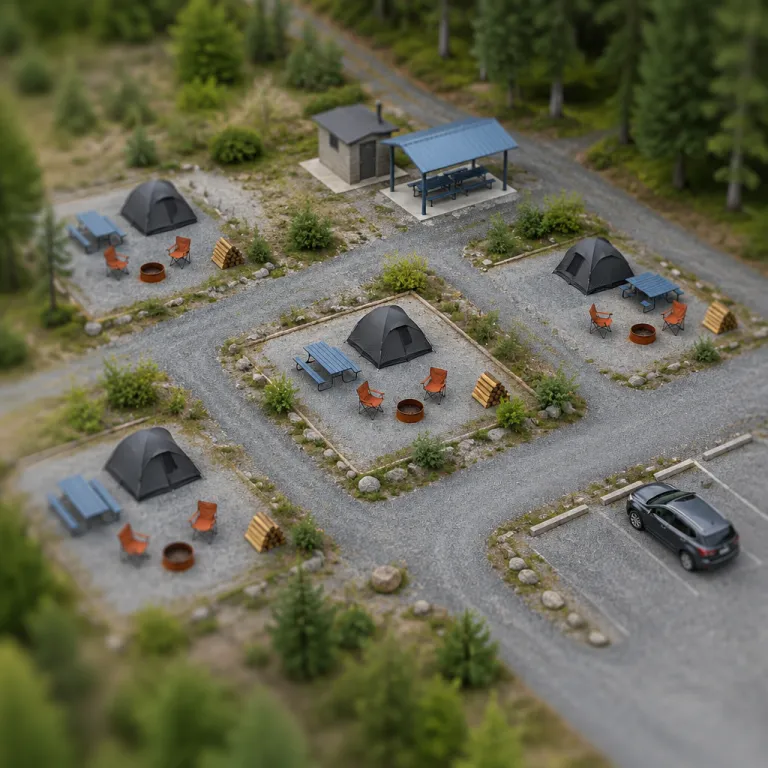
At a well-managed public campground, the value equation starts with space and setting. You pitch your tent on a generous pad, not a gravel rectangle squeezed between glamping tents and parked SUVs. The outdoor adventure feels unprogrammed; you enjoy nature without a schedule of yoga sessions, pizza nights, or forced social hours that some glamping camping resorts treat as modern conveniences.
What public campgrounds deliver that money cannot buy
When you compare a public campground with high-end glamping sites, the first surprise is silence. Public camping areas in national forests or Bureau of Land Management zones often sit far from highways, so the only climate control you hear is the wind shifting through trees. That quiet becomes part of the sleeping experience, whether you are in a basic tent or testing minimalist dispersed camping with only essential gear.
Luxury travelers used to hotel-style accommodations often expect more structure. Yet many repeat guests report that the absence of programming at public camping areas feels like a premium amenity in itself. They enjoy nature on their own terms, choosing when to walk into the wilderness, when to cook, and when to simply lie back in their sleeping bags and watch the sky.
Glamping properties sometimes confuse activity with value. A row of glamorous camping tents with fairy lights, real beds, and climate control can look impressive, but the outdoor skills you actually use there are minimal. Over time, experienced travelers who once loved the experience glamping novelty often drift back to traditional camping because they miss the sense of self-reliance and the best worlds balance between comfort and raw adventure.
For a deeper look at how seasoned guests evaluate sites, read this analysis of what repeat campers notice that first timers overlook. It shows how small details in tent placement, trail access, and even where the morning sun hits your sleeping area can outweigh the presence of designer beds or curated décor. Those details rarely appear in glossy glamping marketing, but they define the real outdoor experience.
The amenity paradox and the price of programming
The amenity paradox sits at the heart of the debate over public campgrounds and glamping value. As private glamping sites add more facilities, from elaborate bathhouses with running water to on-site restaurants, the nightly cost climbs sharply. Yet each new structure can nibble away at the sense of wilderness that many guests quietly crave.
Public camping areas, especially in national forests, tend to invest in essentials rather than spectacle. You might get vault toilets instead of private bathrooms, a hand pump instead of in-tent running water, and a picnic table instead of a deck with lounge chairs. The cost remains low, but the style of outdoor adventure feels more authentic, and the line between traditional camping and glamorous camping becomes a question of mindset rather than décor.
On a premium booking website, this creates an interesting curation challenge. Do you highlight glamping sites with climate control and king-size beds, or do you foreground simple tent sleeping pitches where guests bring their own gear and outdoor skills? A clear explanation of what your campground fee actually buys helps travelers understand why a 34.12 dollar public site can feel like better value than a 296.70 dollar glamping camping stay.
Programming also changes how families use a site. Parents with young children sometimes appreciate structured activities at glamping camping resorts, but many also report that unstructured play at a quiet public campground leads to deeper outdoor skills and more memorable experiences. When the forest itself is the playground, you do not need a schedule of events to enjoy nature fully.
Modern systems, traditional camping soul
One reason perceptions of value are shifting lies in technology. National forests and other public land managers are rolling out cashless Scan and Pay systems through Recreation.gov, making it easier to secure a tent site without losing the spontaneity of traditional camping. You still arrive with your own gear and sleeping bags, but the booking process now feels as smooth as reserving a high-end glamping tent.
This blend of modern systems with a traditional camping soul appeals strongly to the solo explorer. You can plan an outdoor adventure with the same confidence you bring to hotel bookings, yet you retain the freedom of dispersed camping or last-minute changes. The infrastructure quietly supports experience glamping level convenience in the digital journey, while the on-site reality remains rooted in wilderness and nature.
Public campgrounds also benefit from consistent standards. While glamping sites vary wildly in quality, from impeccable glamorous camping domes to hastily converted sheds with basic beds, public agencies usually maintain clear guidelines for tent pads, spacing, and environmental impact. That predictability helps guests with young children, who may value reliable layouts and safe distances between tents as much as they value private bathrooms or climate control.
For luxury-focused platforms, the opportunity lies in presenting these public options with the same care given to high-end accommodations. Detailed descriptions of tent sleeping areas, shade patterns, and proximity to water sources can feel as premium as any list of modern conveniences. When travelers see that level of attention, they understand why glamping better is not always about more amenities, but about better aligned priorities.
Comfort, gear, and the real meaning of luxury outdoors
Luxury in the outdoors is often framed as a binary between camping and glamping. In reality, the value equation depends less on labels and more on how you combine gear, comfort, and setting. A well-chosen tent, quality sleeping bags, and a quiet riverside pitch can deliver a sleeping experience that rivals many glamping beds, especially for travelers who prize silence over styling.
On a premium booking website, you can guide guests through this nuance. Instead of pushing glamorous camping as the only upgrade path, you can show how thoughtful gear choices transform traditional camping into a refined yet grounded experience. A compact mattress, a warm quilt, and a simple lantern can create a sense of modern comfort inside a tent that still opens directly onto wilderness and nature.
Families with young children often sit at the center of this decision. Real beds and climate control in glamping tents can be reassuring on a first outdoor adventure, but the cost difference between glamping camping and public camping quickly adds up over several nights. By contrast, a public campground with space for multiple tents allows children to develop outdoor skills gradually, moving from tent sleeping to short dispersed camping style walks, all while parents maintain control over comfort through their own gear.
For travelers with hotel habits, the best worlds option may be a hybrid stay. Start with one or two nights at a carefully selected glamping site to ease into the environment, then shift to a nearby public campground once everyone feels at home in nature. That way, you experience glamping comforts briefly, then lean into the deeper value of traditional camping without sacrificing safety or enjoyment.
How experienced travelers quietly downgrade from glamping
After the first Instagram-ready stay, many travelers reassess the tradeoff between public campgrounds and glamping. The novelty of glamorous camping fades once you have slept in several similar glamping tents with identical décor, curated fire pits, and predictable programming. What remains is the question of whether the cost still matches the depth of the outdoor experience.
Seasoned guests often notice that their most vivid memories come from simpler nights. A basic tent sleeping setup at a lakeside public campground, with sleeping bags on firm ground and no climate control beyond a cool breeze, can feel more alive than a climate-managed glamping dome. They enjoy nature more intensely when there is less glass, less canvas, and fewer barriers between beds and the surrounding wilderness.
Over time, these travelers start to see glamping better not as a universal truth, but as a phase. They may still book glamping camping stays for special occasions or to introduce friends with limited outdoor skills, yet their personal trips drift toward public camping and even dispersed camping. The best worlds balance becomes a simple formula: invest in good gear, choose a quiet public site, and let nature provide the rest of the luxury.
For booking platforms, acknowledging this shift builds trust. When you present both glamping sites and public campgrounds honestly, explaining where each shines and where each falls short, guests feel respected. They are more likely to return, whether they are planning a family adventure with young children or a solo outdoor retreat that prioritizes silence over services.
Designing a premium booking journey around public campgrounds
A luxury-oriented website can treat the contrast between public campground stays and glamping value as a design principle. Instead of hiding low-cost public camping options behind filters, you can foreground them as deliberate choices for travelers who care about wilderness, space, and authenticity. Curated descriptions can highlight which public sites feel closest to glamorous camping in comfort, and which lean into raw outdoor adventure.
Accessibility also matters. Some of the highest-rated public camping areas are those that quietly invest in thoughtful layouts, level tent pads, and inclusive facilities. For a deeper perspective on this, explore how accessible camping looks when a campground actually cares, then apply those insights to both glamping sites and public campgrounds in your portfolio.
By presenting clear comparisons, you help guests align their expectations. A listing might explain that a 34.12 dollar public site offers generous space for multiple tents, basic running water access, and dark skies, while a 296.70 dollar glamping tent provides real beds, private bathrooms, and full climate control but sits closer to other structures. That level of transparency turns the choice between camping and glamping into an informed decision rather than a gamble.
In the end, the most satisfied guests are those whose accommodations match their personal definition of luxury. For some, that will always mean glamorous camping with modern conveniences and styled interiors. For others, it will mean traditional camping with well-chosen gear, a quiet tent sleeping spot, and the freedom to enjoy nature without a schedule, a soundtrack, or a scripted experience glamping narrative.
Key figures behind public campground and glamping value
- Average nightly rates for public campgrounds in the United States sit around 34.12 dollars, while standalone glamping sites average approximately 296.70 dollars per night, according to data reported by Modern Campground; this means glamping can cost nearly nine times more for a single stay.
- Many national forest and Bureau of Land Management campgrounds operate with minimal built infrastructure, often limiting development to tent pads, basic toilets, and water access points, which helps keep both environmental impact and guest cost significantly lower than heavily built glamping resorts.
- Recreation.gov has expanded cashless Scan and Pay systems across numerous federal campgrounds, reducing administrative overhead and making it easier for travelers to secure public camping sites while maintaining low nightly prices.
- Guest satisfaction surveys on various booking platforms frequently show that highly rated public campgrounds outperform some premium glamping properties on perceived authenticity, quiet, and access to nature, even when the latter offer real beds and private bathrooms. For example, internal platform snapshots often show public sites scoring 4.7–4.9 out of 5 on “access to wilderness,” compared with 4.2–4.5 for nearby glamping listings.
- Families who choose public camping over glamping for multi-night trips can redirect savings from accommodation cost into higher quality gear, such as better sleeping bags and tents, which then improve comfort on every future outdoor adventure.
FAQ about public campgrounds and glamping value
Is a public campground really comfortable enough for a luxury focused traveler?
Comfort at a public campground depends heavily on your gear and site choice. With a high-quality tent, supportive sleeping pads, and warm sleeping bags, many travelers report a sleeping experience that rivals simple glamping tents. Choosing a quiet, level pitch with some natural wind protection often matters more than having designer beds or elaborate décor.
When does glamping offer better value than traditional camping?
Glamping offers better value when you specifically need amenities such as real beds, private bathrooms, and full climate control in a remote setting. This can be especially helpful for guests with limited outdoor skills or for trips with very young children who may struggle with tent sleeping. For short stays or special occasions, the convenience and reduced packing can justify the higher nightly cost.
How should I decide between a 34 dollar public site and a 300 dollar glamping tent?
Start by listing what you truly need from the experience. If you prioritize wilderness, quiet, and space for multiple tents, the public campground usually wins on both value and atmosphere. If you require hotel-like accommodations, such as real beds, private bathrooms, and minimal gear, then a higher priced glamping tent may be the better fit.
Are public campgrounds safe and suitable for young children?
Many public campgrounds are designed with families in mind, offering clear layouts, designated tent pads, and basic facilities that work well for young children. Parents remain responsible for supervising kids near water, roads, or wildlife, but the environment often encourages outdoor skills and unstructured play. Checking recent reviews and official site information helps you choose a location that matches your comfort level.
Can I combine glamping and public camping in one trip?
Combining glamping and public camping in a single itinerary is an effective way to balance comfort and cost. Some travelers begin with a night or two of glamorous camping to ease into the environment, then move to a nearby public campground once everyone feels confident with tents and gear. This hybrid approach lets you experience glamping comforts briefly while still enjoying the deeper value and authenticity of traditional camping.